Best Non-Toxic Cleaning Products Australia 2026
5 min read“`html
This article contains affiliate links. We may earn a commission at no extra cost to you.
Best Non-Toxic Cleaning Products Australia 2026
Australian homes are cleaner than ever — and paradoxically, that’s creating an indoor air quality problem. Research from the CSIRO and international studies consistently show that indoor VOC (volatile organic compound) levels can be 10 times higher than outdoor air immediately after conventional cleaning. In a country where we spend roughly 90% of our time indoors, that matters. This guide cuts through the marketing noise to show you which products actually perform, which chemicals to avoid, and how to build a non-toxic cleaning kit that works across every room in your home.
Toxic Chemicals to Avoid in Conventional Cleaners
Most supermarket cleaning products sold in Australia are not required to disclose their full ingredient lists. The Industrial Chemicals Act 2019, administered by NICNAS (now AICIS — the Australian Industrial Chemicals Introduction Scheme), regulates introductions of new chemicals but doesn’t mandate on-label disclosure for cleaning product formulations sold to consumers. That gap means harmful ingredients can hide in plain sight.
The key offenders to look for on labels — or to be suspicious of when they’re absent:
- Quaternary ammonium compounds (quats) — Found in disinfectants and fabric softeners. Linked to respiratory sensitisation and reproductive toxicity in animal studies. Common names: benzalkonium chloride, DDAC.
- Glycol ethers — Solvents used in glass cleaners and multipurpose sprays. The EU classifies several as reproductive toxicants. Look for: 2-butoxyethanol, EGBE.
- Synthetic fragrance — A single “fragrance” listing can represent dozens of undisclosed compounds including phthalates and terpenes that react with ozone to form formaldehyde indoors.
- Chlorine bleach (sodium hypochlorite) — Not inherently the most toxic chemical, but when mixed with ammonia-based cleaners (a common mistake), it produces chloramine vapours. Even alone, it contributes significantly to indoor VOC loads.
- Triclosan — Banned from some product categories in the US; still present in some Australian antibacterial products. An endocrine disruptor at sufficient exposure.
For a deeper look at how these compounds affect household air quality, see our guide to improving indoor air quality in Australian homes.
Top Rated Non-Toxic Cleaning Brands in Australia
The Australian market has grown significantly in the past three years. Several credible brands now offer genuinely transparent formulations — not just green-washed packaging. Below are the two we recommend most confidently for 2026, followed by a comparison of the broader field.
Koala Eco
Koala Eco is an Australian-owned brand based in New South Wales. Their products are formulated around Australian-sourced essential oils — peppermint, lemon myrtle, eucalyptus — and they publish full ingredient disclosure on every product. They hold Leaping Bunny certification and are certified B Corp. Their Natural Multi Purpose Kitchen Spray and Natural Bathroom Spray are consistently high performers in independent cleaning trials. Importantly, they use plant-derived surfactants (decyl glucoside, sodium coco-glucoside) with solid biodegradation profiles. Koala Eco products are available through their direct website and selected independent health retailers nationally.
Branch Basics
Branch Basics is a US-founded brand now available to Australian consumers through authorised local stockists and direct international shipping. Their concentrate-based system is built around a single non-toxic base formula diluted into different strengths for different tasks — laundry, bathroom, all-purpose, and a stronger “Oxygen Boost” powder for deep cleaning. The concentrate model reduces plastic waste significantly. Their ingredient list is fully disclosed and free from the major chemical classes listed above. The upfront cost is higher, but per-use cost is competitive with conventional supermarket products once you account for dilution ratios.
| Brand | Origin | Full Disclosure | Certifications | Concentrate Option | Avg. Cost/Use (AUD) |
|---|---|---|---|---|---|
| Koala Eco | Australia (NSW) | Yes | B Corp, Leaping Bunny | Partial | ~$0.45 |
| Branch Basics | USA (AU available) | Yes | EWG Verified | Yes — core model | ~$0.30 |
| Resparkle | Australia (VIC) | Yes | Australian Certified Organic | No | ~$0.55 |
| Abode | Australia (QLD) | Yes | Choose Cruelty Free | Yes | ~$0.25 |
| Conventional (e.g. Glen 20) | Various | No | None relevant | No | ~$0.20 |
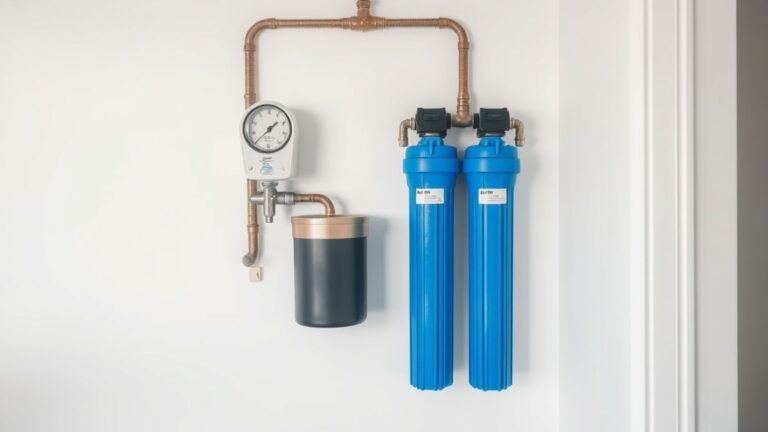
Want to understand how product ingredients interact with your home’s water supply? Many Australian states use chloraminated water — including Sydney Water, Melbourne Water, and SA Water — which can affect how cleaning agents perform and off-gas. Our article on water filtration for Australian homes explains what that means for your cleaning routine.
Room by Room Non-Toxic Cleaning Guide
A practical non-toxic cleaning approach isn’t about buying the most products — it’s about matching the right tool to the right job without defaulting to chemical overkill.
Kitchen
The kitchen carries the highest cleaning load and the highest risk of chemical residue on food-contact surfaces. For daily bench and sink cleaning, a plant-based multipurpose spray (Koala Eco’s Kitchen Spray performs well here) paired with a microfibre cloth handles 90% of tasks. For grease, Branch Basics’ all-purpose dilution with a few minutes of dwell time outperforms many conventional degreasers in independent tests. Avoid spray-and-wipe products containing quats on food-prep surfaces — residue transfer to food is a documented pathway for exposure.
Bathroom
Bathrooms need genuine antimicrobial action for mould and soap scum, but that doesn’t require bleach. White vinegar (5% acidity) is effective against most common bathroom moulds when given 10+ minutes contact time. For toilet bowls, a combination of baking soda and citric acid handles mineral deposits common in hard-water areas like Perth (Water Corporation water averages 200–300 mg/L total dissolved solids). Koala Eco’s Bathroom Spray handles day-to-day maintenance well. For persistent mould on grout, hydrogen peroxide (3%) is more effective than vinegar and leaves no toxic residue.
Laundry
Conventional laundry detergents are among the highest-VOC household products, particularly those with synthetic fragrance. Branch Basics Laundry Concentrate
FREE CHECKLIST
Get the Australian Home Environment Checklist
30 checks across water, air and EMF. Free PDF. No spam.
Former Royal Australian Navy Clearance Diver and TAG-E counter-terrorism operator. Founded Clean and Native to apply the same rigorous thinking to the home environment.
Full biography →