
WATER FILTRATION
What’s Actually In Your Tap Water?
Australian tap water meets safety standards — but ‘safe’ doesn’t always mean ‘clean’. Here’s what’s worth filtering, and how to choose the right system for your home.
Independently assessed. Jayce Love measures the products he owns with calibrated instruments, and assesses everything else on manufacturer specification and independent certification — no gifted units, no brand payments. See our testing process →
Disclosure: This page contains affiliate links. If you buy through our links, we may earn a small commission at no extra cost to you. See our comparison methodology →
The Honest Truth About Tap Water
Tap water in Australia is treated to meet the Australian Drinking Water Guidelines (ADWG) — and by global standards, that’s genuinely good. The water coming out of your tap is not going to make you acutely sick.
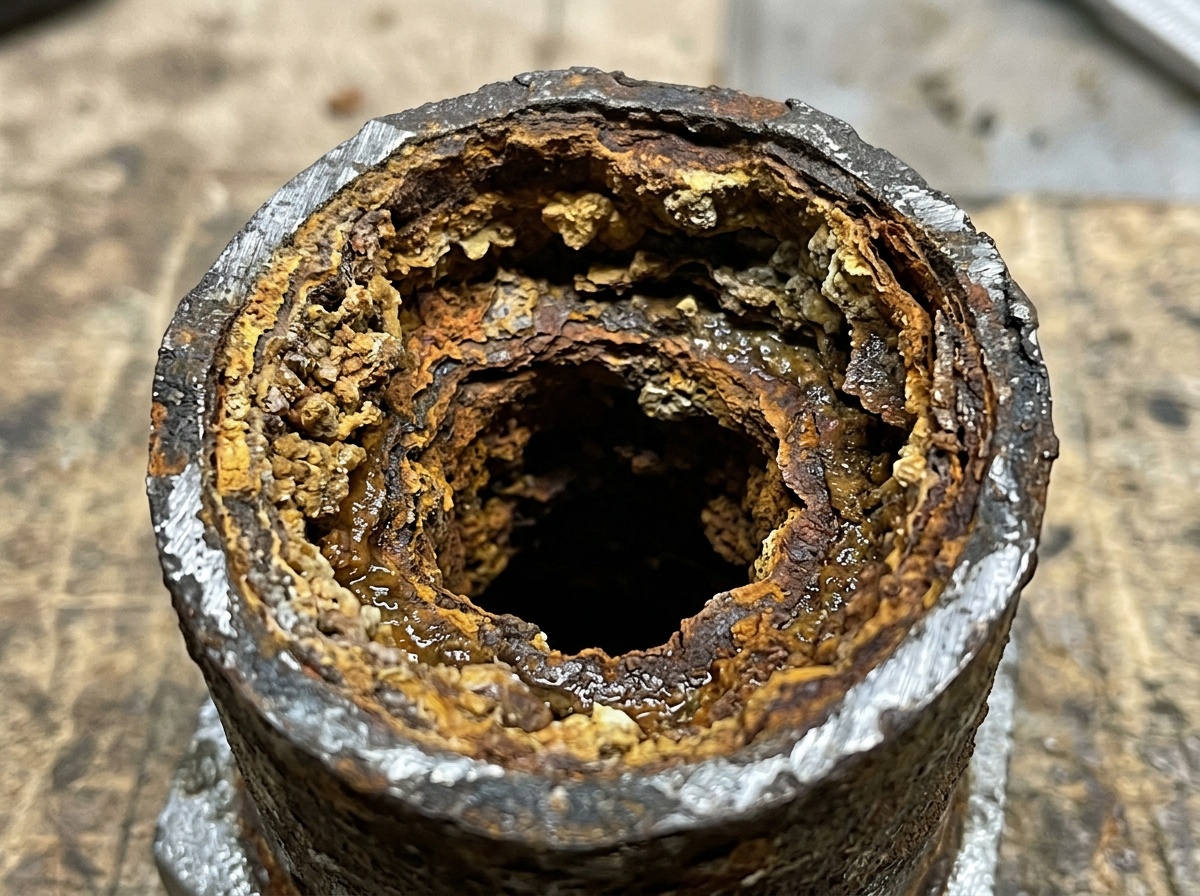
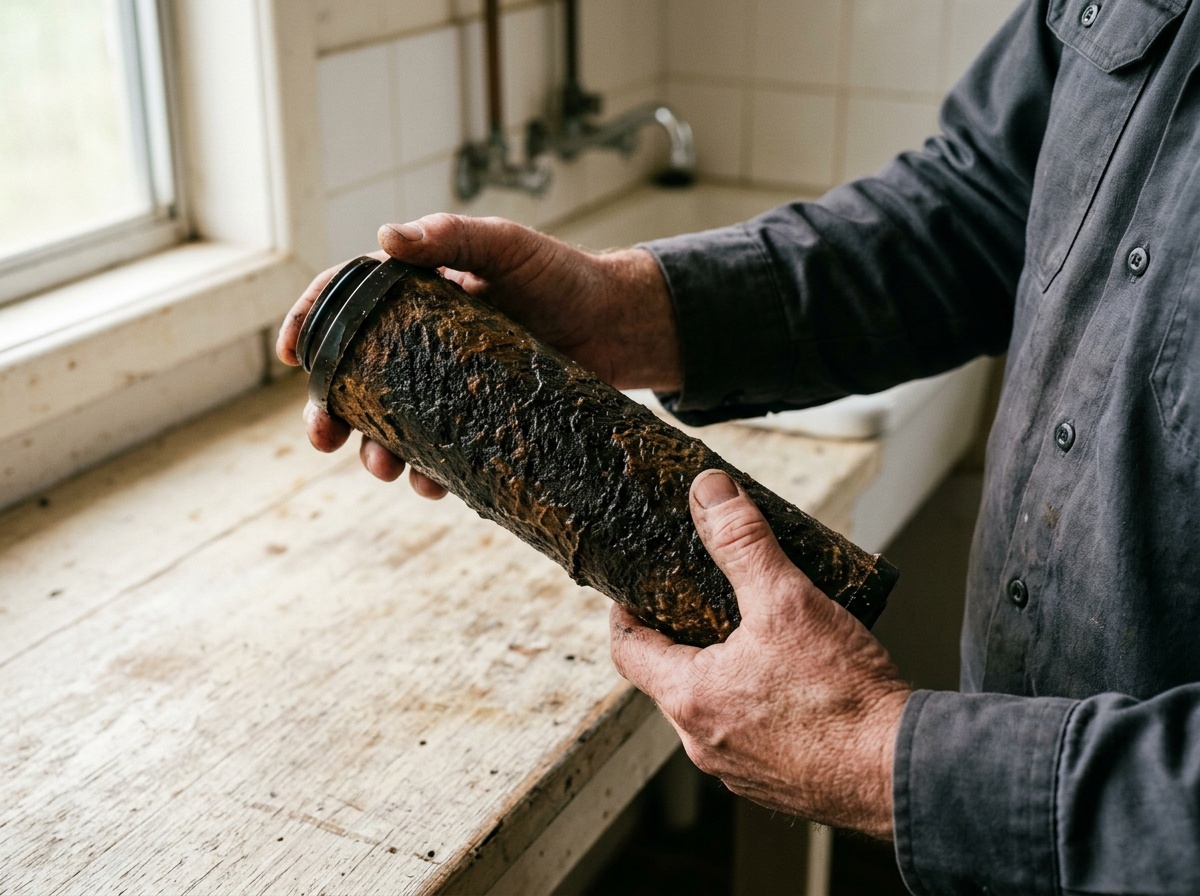
But ‘meets the guidelines’ and ‘contains nothing worth filtering’ are two different things. Treatment processes introduce their own residues. Old infrastructure adds heavy metals. And a category of chemicals called PFAS — used in everything from non-stick cookware to firefighting foam — is now appearing in waterways and catchments that regulators are still working to address.
The case for filtering isn’t alarmism. It’s the same logic as buying organic when you can — you’re reducing the overall load on your body over time.
Thinking about ditching bottled water?
We have researched and analysed what is actually in Australian bottled water — including PFAS, microplastics, and what the labels do not tell you.
PFAS in Australian tap water → Best water filter comparison →Not sure which filter suits your situation?
Answer three quick questions and get a specific recommendation matched to your city, setup, and budget.
Start here →The 4 Things Most People Filter For
These cover the vast majority of reasons people choose to filter their water in Australia.
Chloramine and Chlorine
Brisbane, Sydney, Adelaide and Perth use chloramine. Standard Brita-style filters remove chloramine at 1/40th the rate they remove free chlorine. Only catalytic carbon or RO reliably removes it.
Fluoride
Added at 0.6–1.0 mg/L across most Australian cities. Reverse osmosis is the only reliable residential removal method — activated carbon and standard GAC filters cannot remove it.
PFAS and Heavy Metals
PFAS are now detected in catchments near airports and defence sites. Reverse osmosis provides the most effective barrier. Lead and copper from old plumbing are also best addressed with RO or certified carbon block.
Taste, Odour and Sediment
Even when water meets safety limits, chlorine taste and sediment from ageing pipes degrade quality. Compressed carbon block filters handle this well and are the most cost-effective entry point.
The 3 Filter Types That Actually Work
There are dozens of filter products on the market, but they all fall into a few core technologies. Here’s a plain-language comparison.
“For most households, a quality under-bench activated carbon filter handles the everyday concerns well. If you want to remove fluoride, reverse osmosis is the only reliable residential option.”
How To Choose The Right Filter For Your Home
Answer these three questions and you’ll have a clear direction.
Do you need to remove fluoride?
If yes, reverse osmosis is your only reliable residential option. Activated carbon and catalytic carbon block cannot remove fluoride. RO countertop systems (Waterdrop D6, AquaTru Classic) require no plumbing and suit renters. Under-bench RO suits homeowners wanting whole-supply treatment.
Which city do you live in?
Brisbane, Sydney, Adelaide, Gold Coast and Darwin: chloramine is used — you need catalytic carbon or RO. Standard Brita and GAC filters remove chloramine at about 1/40th the rate they remove free chlorine. Melbourne, Hobart and Canberra: free chlorine — any carbon filter works well for taste and basic treatment.
Can you modify your plumbing?
No: countertop RO (Waterdrop D6, AquaTru Classic) connects to your existing tap and requires no plumbing — ideal for renters. Yes: under-bench RO (Waterdrop G3, EcoHero 5-Stage) installs beneath the sink and requires a plumber for one hour. Provides higher flow rate and a dedicated tap.
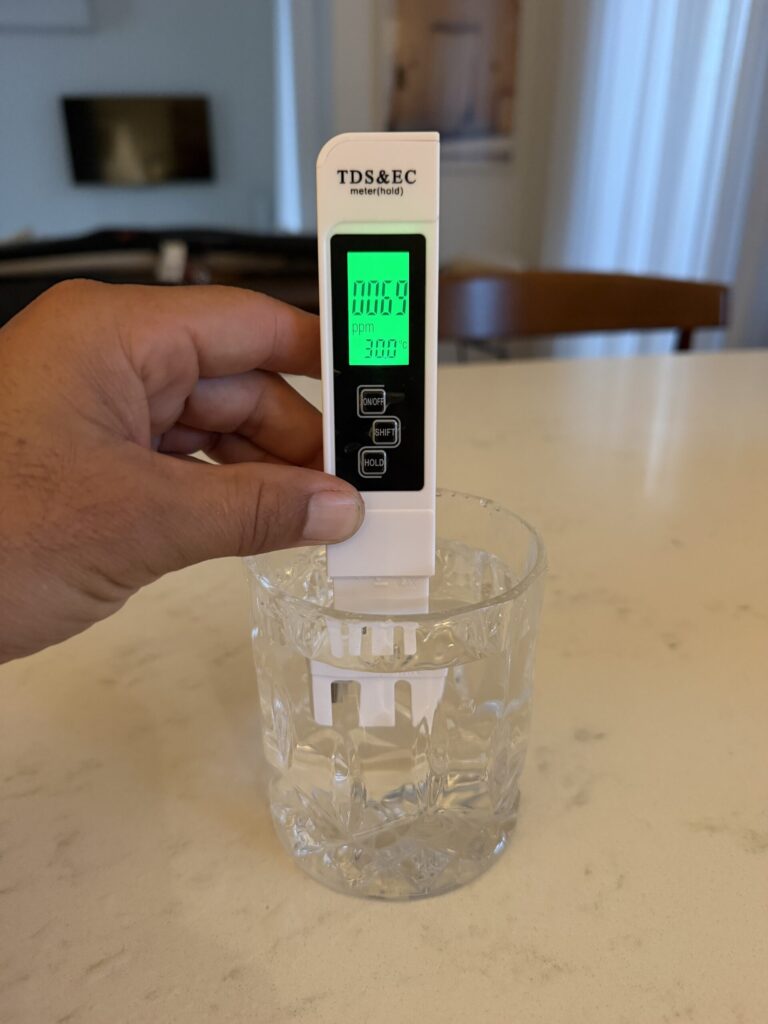
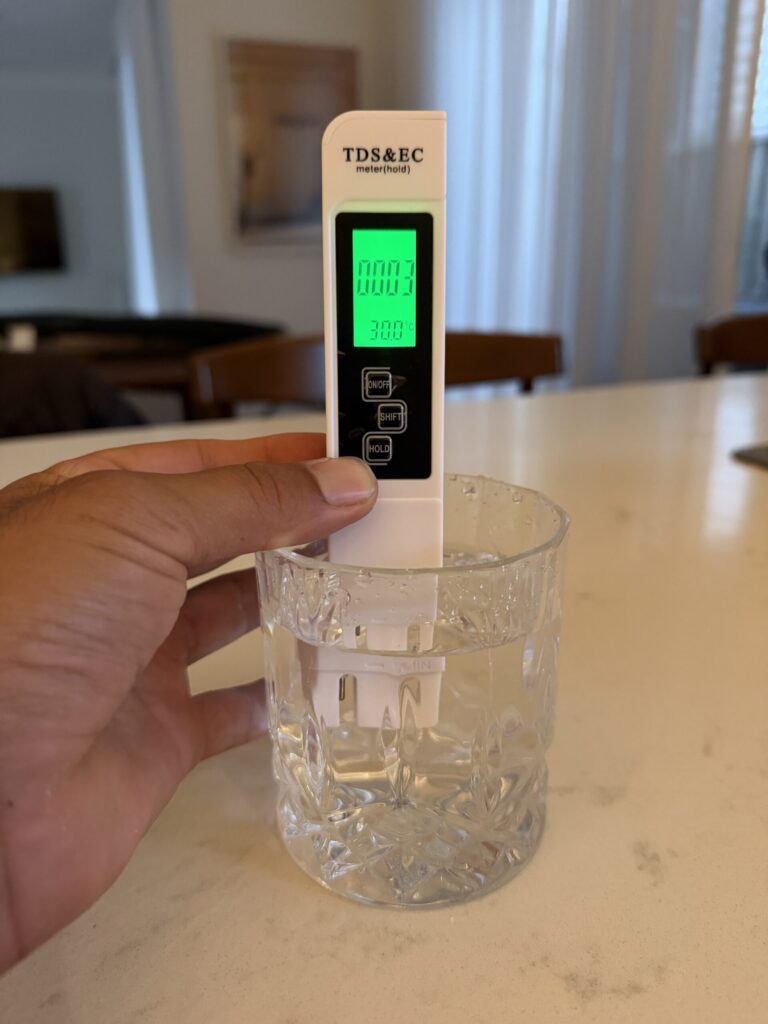
Waterdrop D6 Countertop RO System
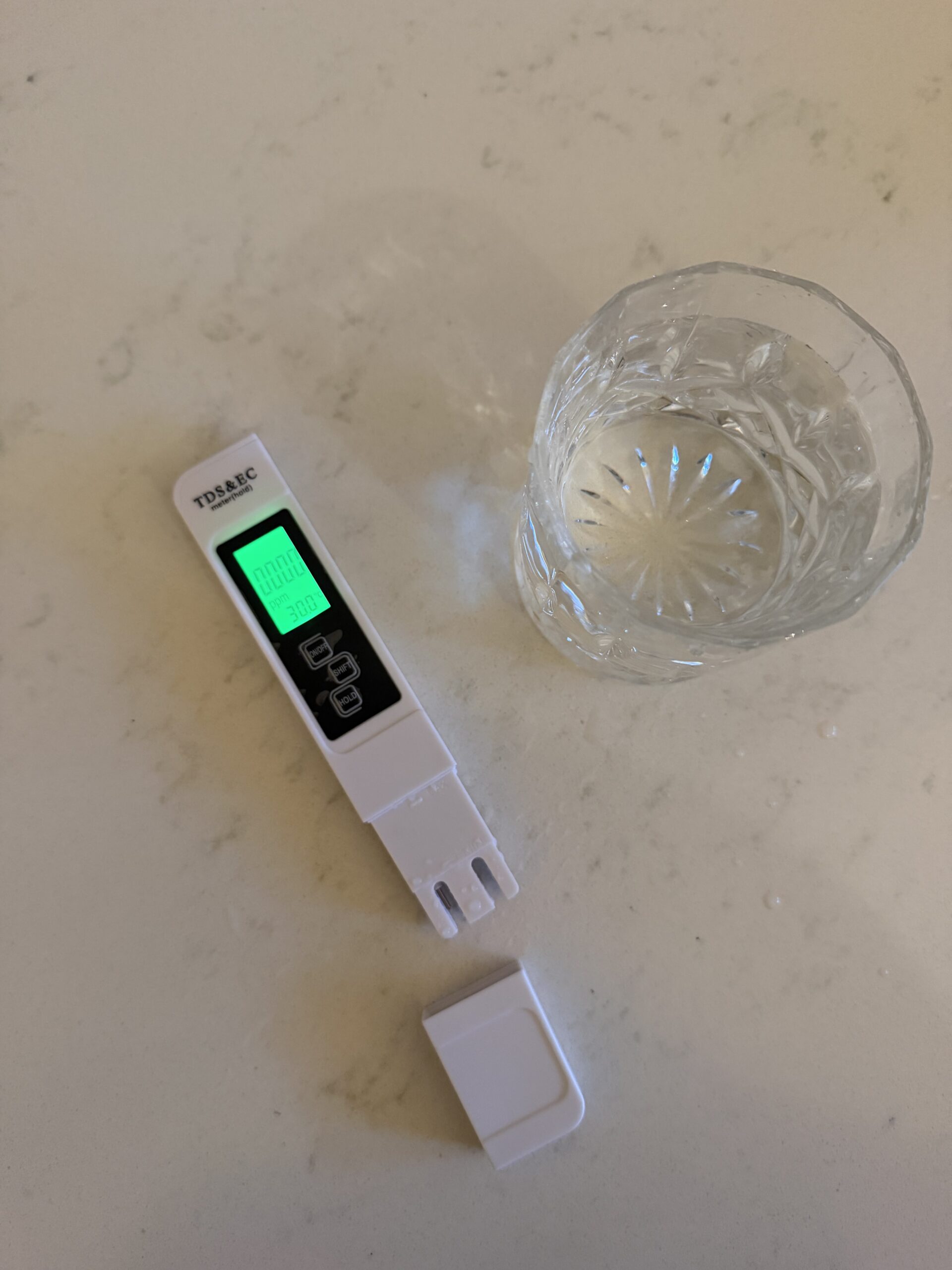
No installation required. Removes fluoride, chloramines, PFAS, and heavy metals. Ideal for Australian renters and apartments — connects directly to your kitchen tap. 69 ppm Palm Beach tap water → 3 ppm post-filter, verified.
AUSTRALIAN WATER CONTEXT
Every utility must meet the Australian Drinking Water Guidelines (ADWG) and publish an annual water-quality report — public, free, and the fastest way to see what’s in your supply. What the guidelines don’t yet regulate tightly is PFAS, now detected in catchments near airports, defence sites and industrial areas across the country.
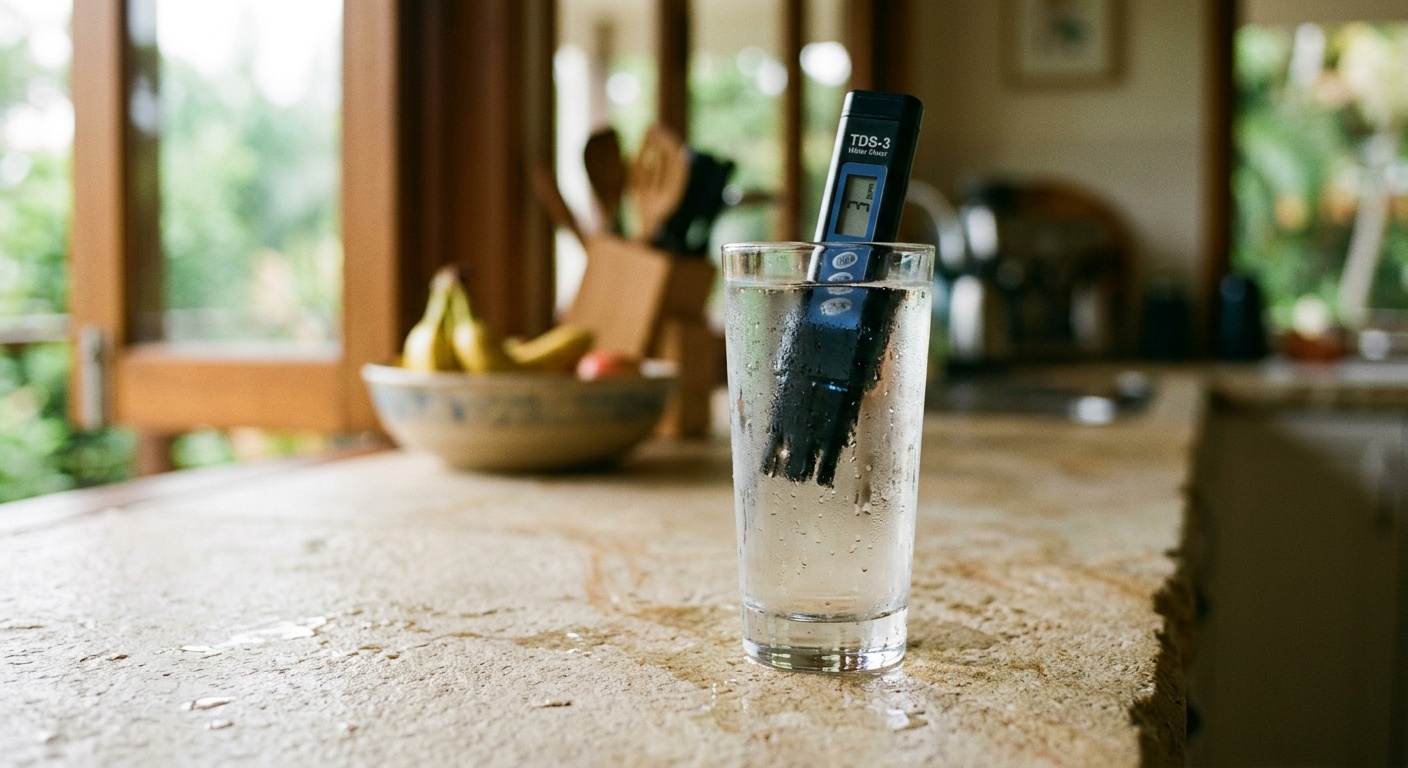
Disinfection varies by city — Melbourne and Hobart largely use chlorine, while Adelaide, Perth and much of Queensland use longer-lasting chloramine, which standard carbon filters struggle with. Measuring your own supply with a TDS meter is the only way to know your actual starting point — see how we test.
Explore by Topic
Compared and ranked in Australian conditions — every article cites ADWG standards and real AU products.
Understand Your Water
Filter Roundups
Reviews & Comparisons
Specific Concerns
FREE DOWNLOAD
Get the Australian Home Environment Checklist
30 checks across water, air and EMF. Most of them free. Ranked by impact.
NO SPAM. UNSUBSCRIBE ANY TIME.