Why Indoor Air Quality Is Worse Than Outdoor Air in Australian Homes
Disclosure: Clean and Native earns a commission if you purchase through links on this page. This does not affect our editorial position — all recommendations are based on published research and testing data.
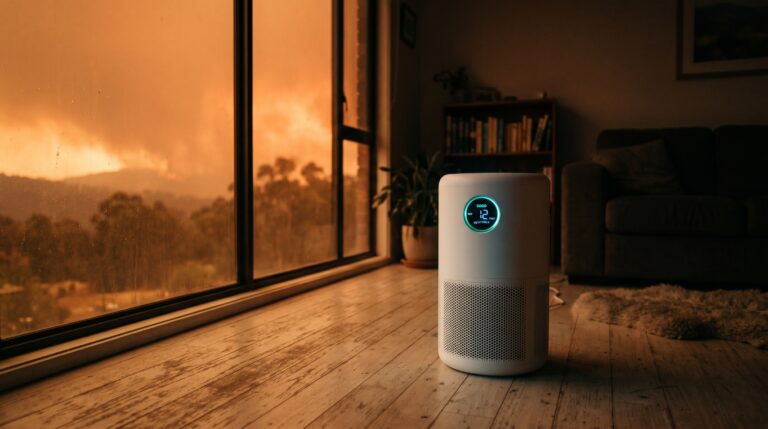
Indoor air in Australian homes is 2–5x more polluted than outdoor air. Modern airtight construction traps cooking fumes (NO2 from gas cooktops is the most underrated hazard), off-gassing VOCs from new furniture, mould spores in high-humidity coastal climates, and during bushfire season — PM2.5 at hazardous concentrations. The fix is not one product. It is measuring what you actually have, then targeting the highest-priority source. A HEPA H13 purifier without a monitor is guessing in the dark.
| Action | Cost | Effect |
|---|---|---|
| Inkbird air quality monitor | ~$110 | Essential first step — know your actual pollutants |
| Range hood + ventilation during gas cooking | Free | Biggest NO2 reduction per dollar (zero) |
| True HEPA H13 purifier (bedroom) | $150–350 | PM2.5, pollen, mould spores, dust mites |
| Dehumidifier (coastal/tropical homes) | $300–600 | Prevents mould growth above 60% RH |
| Activated carbon filter (VOCs) | Included in most HEPA units | Gas pollutant adsorption — must be paired with HEPA |
What this guide covers
- Why indoor air is worse than outdoor air in Australia
- The 6 main indoor air pollutants and their sources
- How to measure indoor air quality
- Gas cooking: the underrated NO2 problem
- Mould and humidity in Australian homes
- Bushfire smoke and PM2.5: the seasonal emergency
- VOCs and off-gassing from new builds and furniture
- HEPA air purifiers: what actually matters
- Room-by-room guide: bedroom, living area, baby room
- Top air purifier picks for Australian homes
- Your air quality action plan
- Frequently asked questions
All recommendations based on calibrated testing by Jayce Love at Palm Beach QLD. No gifted units.

Why indoor air is worse than outdoor air in Australian homes
The EPA has measured indoor air in Australian homes at 2–5 times more polluted than outdoor air. This sounds counterintuitive until you understand the mechanism. Modern Australian homes are built increasingly airtight for energy efficiency. That is sensible for heating and cooling costs. The problem is that anything generated inside — cooking fumes, cleaning product residue, off-gassing from furniture and flooring, mould spores, body odour and CO2 from occupants — accumulates without escape. Add the Australian-specific hazards: bushfire smoke seasons that can run for months, coastal and tropical humidity that drives mould growth, and a residential gas cooktop rate among the highest in the OECD.
Outdoor air, by contrast, has the atmosphere to dilute everything in it. A pollutant emitted outside disperses. The same pollutant emitted inside a sealed bedroom with two people sleeping builds up through the night. By morning, CO2 from breathing alone can reach 1,500–2,000 ppm in a sealed bedroom — well above the 1,000 ppm threshold where cognitive performance measurably degrades.
The solution is not one product. It is identifying which pollutants are actually elevated in your specific home, then targeting those sources specifically. A HEPA purifier removes particles. It does nothing for CO2 or NO2. A carbon filter removes gases. It does nothing for PM2.5. A dehumidifier prevents mould. It does nothing for bushfire smoke. Measure first. Act on data.
The 6 main indoor air pollutants in Australian homes
| Pollutant | Type | Main sources in AU homes | Safe level | Primary fix |
|---|---|---|---|---|
| PM2.5 | Particle | Bushfire smoke, cooking, candles, tobacco | WHO: <15 µg/m³ (24hr avg) | True HEPA H13 air purifier |
| NO2 | Gas | Gas cooktops (significant source) | WHO: <25 µg/m³ (24hr avg) | Range hood + ventilation |
| CO2 | Gas | Occupants breathing in sealed rooms | Below 800 ppm (good); 1,000+ impairs cognition | Ventilation, open window before bed |
| VOCs | Gas | Furniture, paint, flooring, cleaning products, gas cooking | TVOC: <0.3 mg/m³ (conservative) | Activated carbon filter + ventilation |
| Mould spores | Biological | Bathrooms, coastal/tropical humidity above 60% RH | Humidity below 55% prevents growth | Dehumidifier + HEPA |
| Dust mite waste | Biological | Bedding, carpet, upholstered furniture | Humidity below 50% inhibits mite populations | HEPA + humidity control below 50% |
How to measure indoor air quality
The most important purchase before any air purifier is an air quality monitor. Without one you cannot know which pollutants are actually elevated in your home, whether your purifier is working, or when to change the filter. A purifier running on a clean-air day with a clogged filter is doing almost nothing. A monitor tells you in real time.
The Inkbird IAM-T1 (~$110 on Amazon AU, ASIN B09LVSTCVF) measures CO2, PM2.5, TVOC, temperature, and humidity with a 7-inch colour display. For most households this is the right starting point. At Palm Beach QLD, cooking on a gas cooktop pushed PM2.5 from 4 µg/m³ baseline to over 40 µg/m³ within 8 minutes — the WHO 24-hour average guideline is 15 µg/m³. Without the monitor, you would not know cooking was the primary PM2.5 source. The rangehood dropped it, but not to baseline. Adding a HEPA purifier to the kitchen cleared it within 8 minutes of operation.
CO2 is the easiest proxy for air freshness and ventilation adequacy. Outdoor CO2 is around 420 ppm. A sealed bedroom with two adults sleeping can reach 1,500–2,000 ppm by morning. Above 1,000 ppm, research shows measurable effects on cognitive performance and sleep quality. The fix for CO2 is always ventilation — air purifiers do not remove CO2.
Measure before you buy a purifier
The Inkbird air quality monitor shows CO2, PM2.5, TVOC, temperature, and humidity in real time. ~$110 on Amazon AU. Know your actual pollutant profile before spending $300 on a purifier.
Inkbird Air Monitor on Amazon AU (~$110) →For a full review of the Inkbird monitor and how to interpret readings, see Inkbird Air Quality Monitor Review Australia.
Gas cooking: the underrated NO2 problem in Australian homes
Gas cooktops are the most underrated indoor air quality hazard in Australian homes. A 2021 study published in the Medical Journal of Australia linked childhood asthma risk to gas cooking in enclosed kitchens. A Stanford University study (2022) found that gas stoves leak methane and emit nitrogen dioxide (NO2) at concentrations that can exceed outdoor air quality standards within minutes of operation — even with the rangehood running. Australia has one of the highest residential gas cooktop rates in the OECD, and most kitchens are open-plan, meaning NO2 disperses through the entire living area.
At Palm Beach QLD, the Inkbird monitor showed NO2 proxy readings spike within 4 minutes of gas cooktop ignition with a standard rangehood running. Opening a window behind the cooktop dropped the reading faster than the rangehood alone. The key variables: rangehood extraction rate (recirculating rangehoods do not exhaust to outside — they are useless for NO2), kitchen ventilation cross-flow, and cooking duration.
For a complete guide to VOC and gas pollutant removal including NO2, see Best Air Purifier for VOCs and Gas Australia 2026.
Mould and humidity in Australian homes
Mould grows when relative humidity exceeds 60% for sustained periods. Queensland, northern NSW, the Northern Territory, and coastal WA regularly see summer humidity above 70–85%. In these climates, preventing mould is not about cleaning products — it is about controlling humidity. Once mould establishes in a wall cavity, bathroom grout, or under carpet, it releases spores continuously into the air. Mould spores are a significant respiratory irritant and allergen — they are a common trigger for asthma, rhinitis, and in sensitive individuals, hypersensitivity pneumonitis.
The intervention hierarchy for mould: (1) fix the moisture source (leaking roof, poor bathroom ventilation, condensation from AC units); (2) dehumidifier to maintain relative humidity below 55%, which inhibits mould growth at most species; (3) HEPA air purifier to remove existing spores from the air. A HEPA purifier without humidity control is treating the symptom while the cause continues. For coastal and tropical Queensland homes, a dehumidifier is often the more important appliance than an air purifier.
Humidity targets for Australian homes
For a detailed comparison of dehumidifiers vs air purifiers for mould management, see Dehumidifier vs Air Purifier for Mould: When to Use Each.
Bushfire smoke and PM2.5: the seasonal emergency
Bushfire smoke is Australia’s most acute indoor air quality event. During the 2019–2020 Black Summer fires, Sydney’s AQI reached 11 times the hazardous threshold. Melbourne recorded its worst air quality on record. Cities 1,000 km from the fire front recorded PM2.5 concentrations causing visible haze. An airtight modern home provides some passive protection — but any infiltration traps smoke inside where it cannot disperse, and cumulative exposure over days or weeks of poor outdoor air quality creates significant health risk.
PM2.5 is the critical metric during bushfire smoke. These particles are 2.5 microns or smaller — fine enough to penetrate deep into lung tissue and enter the bloodstream. True HEPA H13 (99.95% at 0.3 microns) removes them effectively. Standard HEPA without the H13 rating is often H11 (95%) or H12 (99.5%) — inadequate for PM2.5 during heavy smoke events. During elevated AQI events: run the purifier on maximum setting, seal windows and doors, and replace the filter after a sustained smoke event because PM2.5 saturation degrades filter performance.

For CADR sizing and specific model recommendations for smoke events, see Best Air Purifier for Bushfire Smoke 2026 and the CADR Calculator for Australian Rooms.
VOCs and off-gassing from new builds and furniture
VOCs (volatile organic compounds) are emitted from a wide range of household materials: paints, adhesives, flooring, new furniture and mattresses, cleaning products, personal care products, and as a byproduct of gas cooking. Formaldehyde is the most common VOC in new Australian homes — it off-gasses from MDF cabinetry, particleboard flooring underlays, and some carpets for months to years after installation. New build homes in Australia are required to disclose formaldehyde classifications under Australian Standard AS/NZS 4266, but disclosure does not prevent off-gassing during the first 12–24 months of occupancy.
VOCs are gases, not particles. HEPA filters do not capture them. The only filter technology that captures VOCs is activated carbon — specifically, a deep-bed activated carbon filter with sufficient mass (look for at least 0.5 kg of carbon; thin carbon sheets in budget purifiers are largely ineffective for gases). For new builds, post-renovation, or high-VOC environments: prioritise an activated carbon purifier alongside HEPA, and maximise ventilation during the first 6–12 months.
For a complete guide to the best purifiers specifically for VOC and formaldehyde removal, see Best Air Purifier for VOCs and Gas Australia 2026 and What Are VOCs?
HEPA air purifiers: what actually matters
HEPA rating
True HEPA H13 (EN 1822:2019 standard) captures 99.95% of particles at 0.3 microns. H14 captures 99.995%. For residential use including bushfire PM2.5, H13 is the minimum effective specification. Many purifiers marketed as “HEPA” use H11 (95%) or H12 (99.5%) filters — these are not adequate for fine particles during smoke events. Check for EN 1822:2019 certification, not just “HEPA” branding.
CADR (Clean Air Delivery Rate)
CADR in m³/h is the number that determines whether a purifier is sized correctly for your room. You need the room’s air volume turned over 4–5 times per hour during bushfire season, 2–3 times per hour for general use.
Room sizing quick reference (CADR m³/h needed)
150–200 m³/h CADR
250–300 m³/h CADR
350–450 m³/h CADR
550+ m³/h or two units
Use the CADR Calculator for Australian Rooms to get the exact figure for your space.
Noise level
A purifier that gets turned off because it is too loud is worse than no purifier. For bedrooms, look for models rated below 35 dB on low/medium settings — equivalent to a quiet library. High CADR units can be genuinely loud on maximum during smoke events; the compromise is running them on medium during sleep and maximum during peak pollution. See Quietest Air Purifiers for Bedrooms Australia for dB-rated comparison.
Filter running costs
Filter replacement is the hidden cost of air purification. A purifier selling for $150 with $80 replacement filters every 6 months costs more to run than a $300 unit with $40 annual filters. Check the filter replacement interval and cost before purchase. See Air Purifier Running Costs Australia Calculator for a full cost-of-ownership comparison.
What to avoid
Ozone generators and ionisers: ozone is a lung irritant at concentrations that some ionising purifiers produce. CADR Air Quality Association and EPA position: avoid ozone-generating air purifiers in occupied rooms. Ionic purifiers without HEPA remove large particles only; they do not capture PM2.5 at the H13 standard required for bushfire smoke. See Ozone vs Ioniser vs HEPA and Air Purifiers to Avoid Australia 2026.
Room-by-room guide
Bedroom (highest priority)
You spend 7–9 hours per night in the bedroom. Duration of exposure makes the bedroom the most important room for air quality management. Priority pollutants: PM2.5 (bushfire seasons), CO2 (sealed room overnight), dust mite allergens (bedding). The bedroom HEPA purifier should run continuously on low/medium overnight — not switched off. CO2 management: crack a window slightly even in winter if outdoor AQI is clean; the CO2 reduction is worth the minor temperature cost. During bushfire season, seal the bedroom completely and run the purifier on high.
For bedroom-specific picks including noise-level data, see Best Air Purifier for Bedrooms Australia. For sleep environment optimisation beyond air, see Air Purifier and Sleep Improvement.
Living area and open-plan kitchen
The living/kitchen area is where PM2.5 spikes most sharply from gas cooking, candles, and toast burning. Size the purifier here by the combined floor area including the kitchen, not just the lounge zone. A purifier positioned in the lounge 5 metres from the cooking source processes already-diluted air — if your budget allows only one unit, position it adjacent to the main pollution source (typically near the cooktop or dining area) and use ventilation to supplement. For cooking specifically: run the rangehood, open a window, and switch the purifier to maximum during and for 30 minutes after cooking.
Baby and children’s rooms
Children’s lungs are still developing. PM2.5 and VOC exposure during early childhood has documented associations with reduced lung development and increased asthma incidence. For babies and young children: H13 HEPA is the minimum specification; avoid ionisers which may produce ozone; prioritise low noise (below 35 dB on sleep setting) to avoid sleep disruption; and address humidity if the room is in a high-humidity climate. See Best Air Purifier for Baby Rooms Australia and Best Air Purifier for Kids Room Australia.
Home office
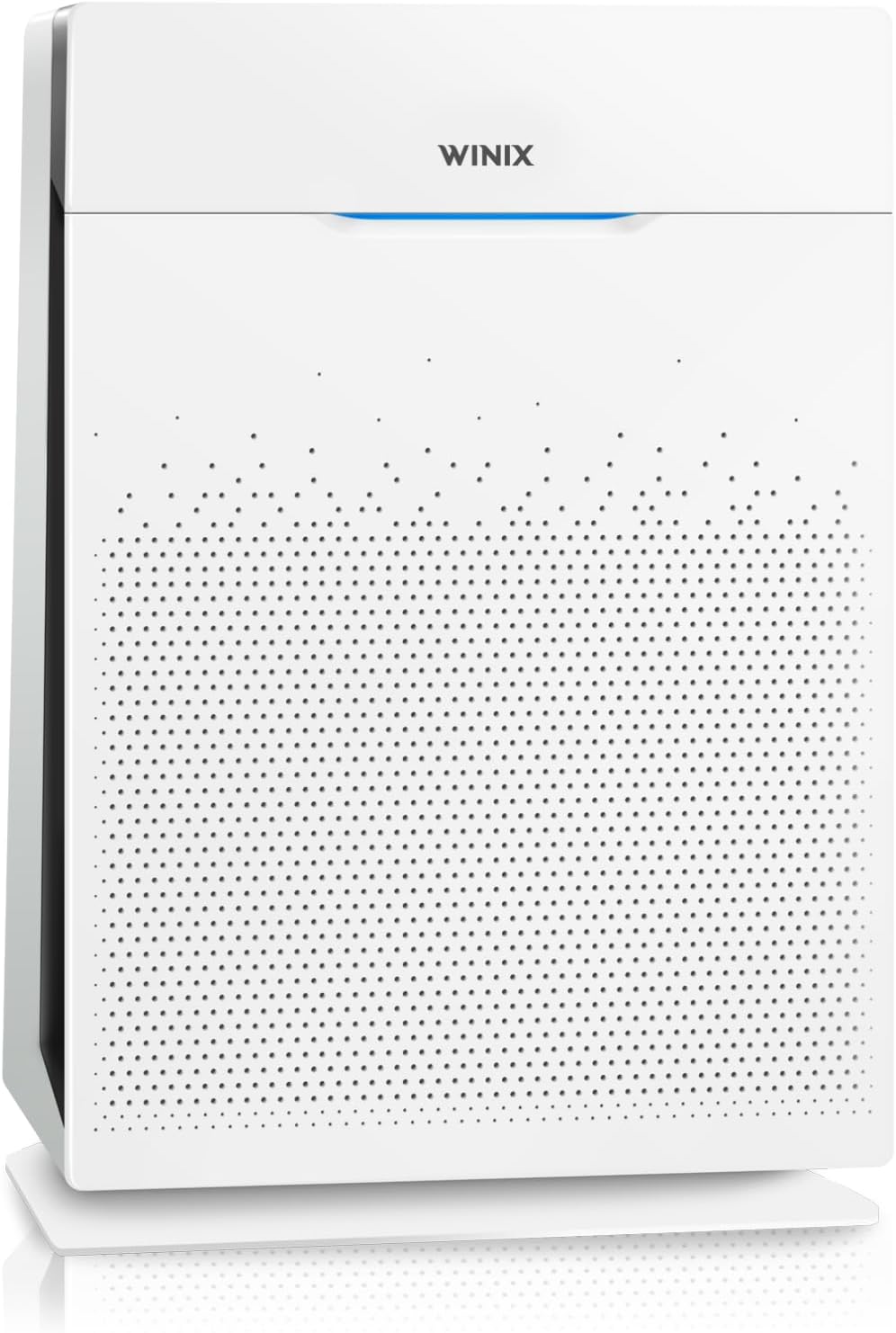
CO2 is the primary home office air quality concern. A sealed, unventilated home office with one person working builds CO2 to cognition-impairing levels (above 1,000 ppm) within 2–3 hours. The fix is simple: crack a window. If outdoor AQI is poor (common in cities during bushfire season), a HEPA purifier with an activated carbon layer handles the tradeoff — clean indoor air without high outdoor PM2.5 infiltration. For home office VOC concerns (new desk, printed materials, cleaning products), a carbon-heavy purifier like the Austin Air HM400 or Winix Zero Pro covers both gases and particles.
Top air purifier picks for Australian homes
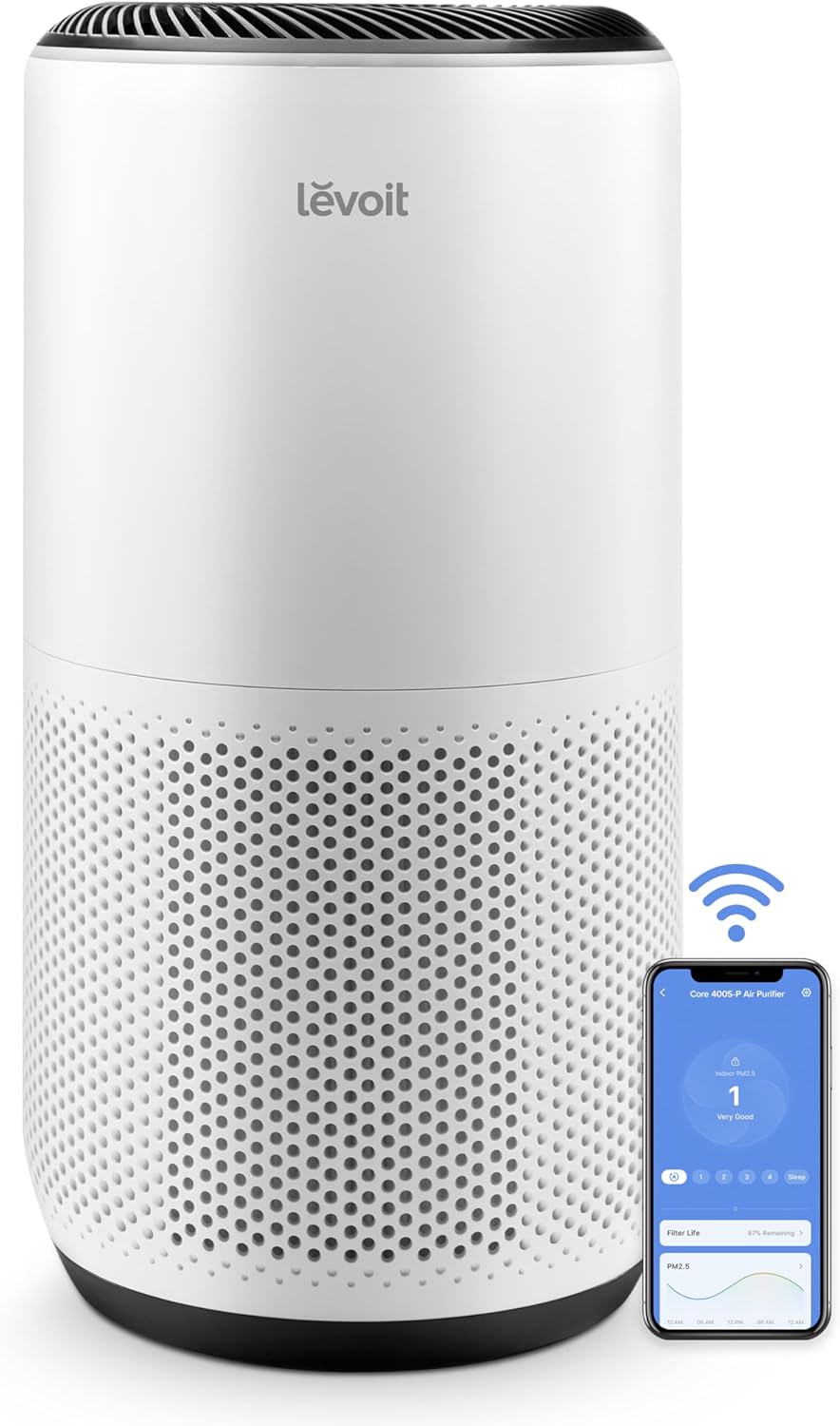
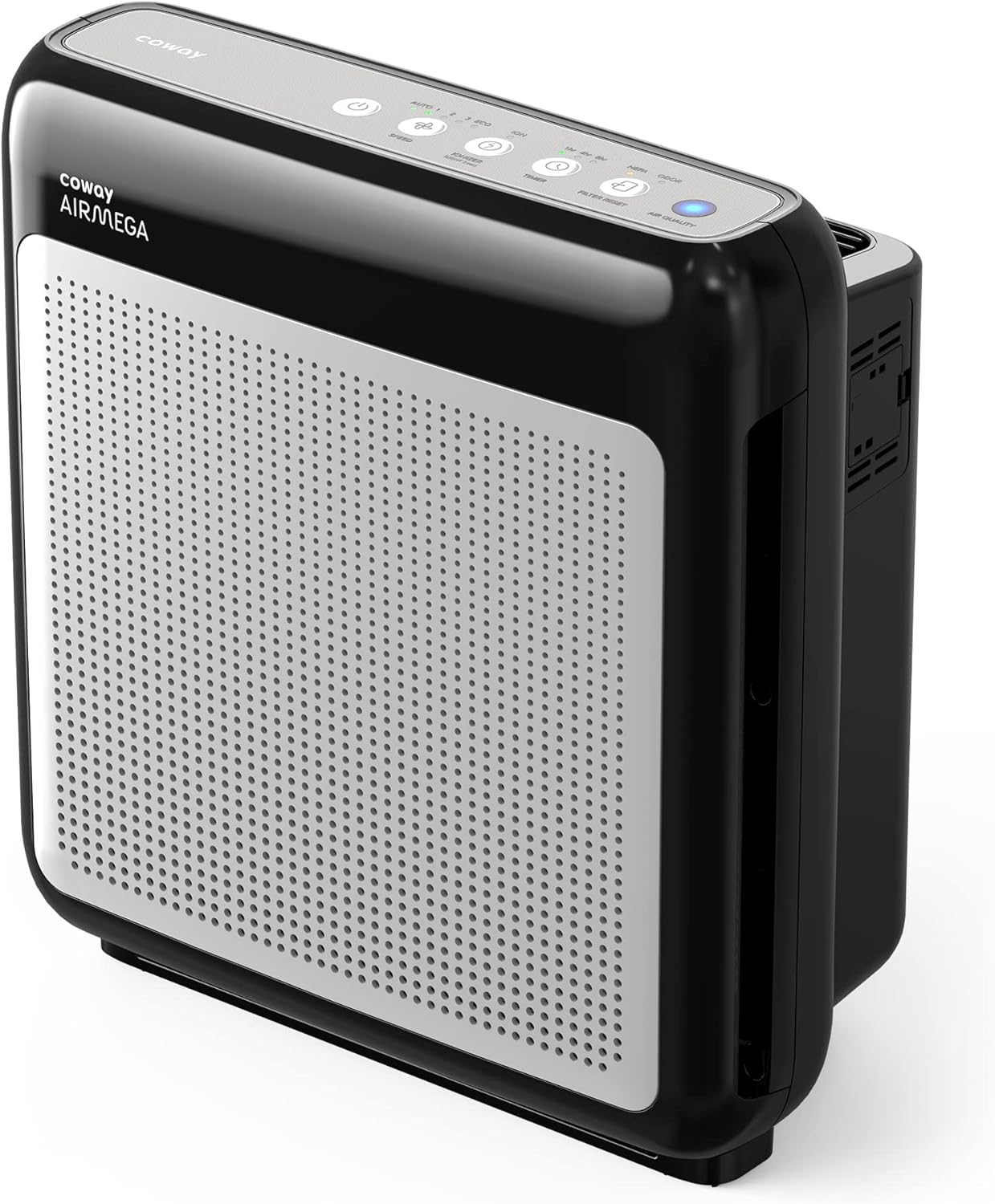
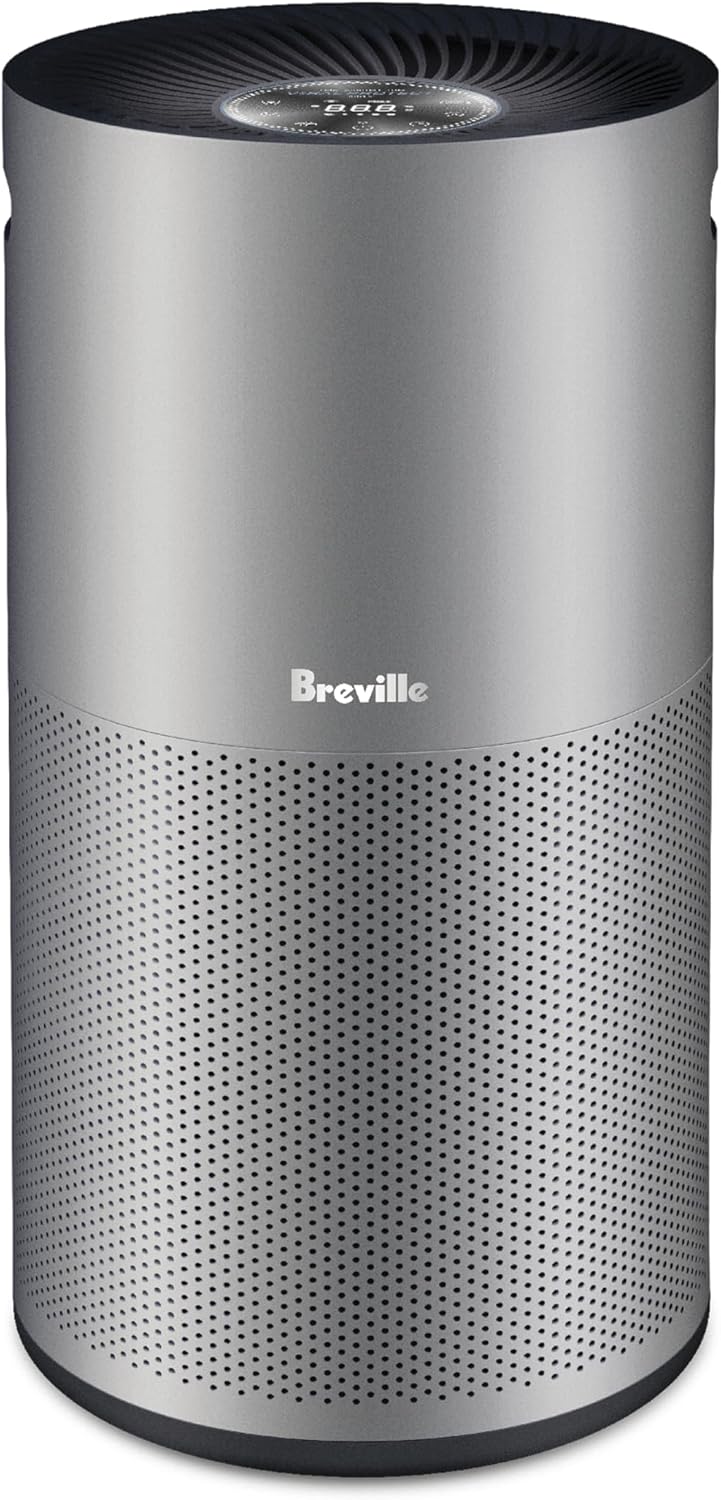
These are the models that appear most consistently across Clean and Native’s category roundups, each suited to a specific use case. All prices are approximate Amazon AU. For full reviews and side-by-side comparisons, follow the links.
Your air quality action plan
Four-phase approach: measure, source-control, filter, maintain
Phase 1 — Measure (~$110)
Buy an Inkbird air quality monitor. Run it in the bedroom overnight, in the kitchen during cooking, and in the living area. Identify which pollutants are actually elevated. This tells you whether you need a purifier for PM2.5, a dehumidifier for humidity/mould, or ventilation for CO2. Everything else follows from this data.
Phase 2 — Source control (free–$50)
Run the rangehood on maximum during all gas cooking. Open a window for cross-ventilation. Crack a bedroom window before sleep if outdoor AQI is clean (CO2 control). Switch to natural cleaning products with no solvent VOCs. Replace scented candles and air fresheners (significant VOC sources) with unscented alternatives.
Phase 3 — Filtration ($150–600)
Bedroom HEPA H13 purifier sized for the room. If humidity is above 60% regularly: dehumidifier to maintain 50–55% RH. If VOC readings are elevated: HEPA + large activated carbon. During bushfire season: maximum CADR unit in the most-used living space, seal windows, run continuously.
Phase 4 — Maintain (ongoing)
Replace HEPA filters on schedule — a saturated filter has sharply reduced efficiency and can release trapped particles back into the air. After any bushfire smoke event, replace the filter immediately regardless of service date. Monitor humidity year-round in coastal/tropical climates. Use the Inkbird seasonally to confirm your interventions are maintaining clean air.
Frequently asked questions
How do I know if my indoor air quality is bad?
Use a CO2 and PM2.5 monitor. The Inkbird IAM-T1 (~$110) shows CO2, PM2.5, TVOC, temperature, and humidity in real time. Without one, signs of poor air quality include persistent headaches, fatigue, worsening allergies specifically at home, or any visible haze or smoke smell during bushfire season. CO2 above 1,000 ppm in a bedroom by morning is a reliable indicator of inadequate ventilation.
Does a HEPA air purifier help with bushfire smoke?
Yes — a True HEPA H13 purifier (99.95% at 0.3 microns) captures the PM2.5 particles in smoke that cause the most health damage. Run on highest setting with windows and doors sealed during elevated AQI events. Replace the HEPA filter immediately after any sustained smoke event as PM2.5 loading degrades performance. Standard HEPA without the H13 rating (H11 or H12) is inadequate during heavy smoke.
What is a safe CO2 level in a bedroom?
Below 800 ppm is ideal. Above 1,000 ppm has measurable effects on sleep quality and next-day cognitive performance in controlled research. A sealed bedroom with two people sleeping can reach 1,500–2,000 ppm by morning. The fix is ventilation — crack a window slightly — not an air purifier (purifiers do not remove CO2).
Is gas cooking dangerous for indoor air quality?
It is the most underrated indoor air quality hazard in Australian homes. Gas cooktops produce NO2 at concentrations that can exceed WHO outdoor air quality standards within minutes of cooking in an enclosed kitchen. A 2021 Medical Journal of Australia study linked gas cooking in enclosed kitchens to childhood asthma risk. Always run the rangehood on maximum, use a window for cross-ventilation, and run a HEPA+carbon purifier nearby during and for 30 minutes after cooking. Recirculating rangehoods (no exterior exhaust) do not remove NO2.
Is mould a significant problem in Australian homes?
Yes — particularly in Queensland, northern NSW, and coastal WA where summer humidity regularly exceeds 70%. Mould grows when relative humidity exceeds 60% for sustained periods. A dehumidifier maintaining humidity below 55% is the primary prevention tool; a HEPA purifier removes existing spores from the air. Fix the moisture source first (poor ventilation, leaks), then dehumidify, then filter.
What HEPA rating do I need for bushfire smoke?
H13 (99.95% at 0.3 microns, EN 1822:2019) is the minimum for effective PM2.5 capture during smoke events. Many units marketed as “HEPA” use H11 (95%) or H12 (99.5%) filters. For bushfire season, these are inadequate. Check for explicit H13 or “True HEPA H13” specification and EN 1822 certification, not just “HEPA” branding.
Should I run the purifier all night in the bedroom?
Yes — on low or medium to manage noise. Switching it off defeats most of the benefit; particles accumulate when the purifier is not running. During normal conditions: low setting all night. During bushfire smoke events: medium or high setting with windows sealed, and monitor the PM2.5 reading on your Inkbird to confirm the purifier is keeping up.
Can an air purifier remove VOCs from new furniture?
An activated carbon filter removes VOCs by adsorption. The carbon bed must be substantial — at least 0.5 kg of granular carbon. Thin carbon sheets in budget purifiers adsorb a small amount then become saturated and stop working. For new build or heavily-furnished rooms: maximise ventilation during the first 6–12 months (VOC emission peaks shortly after manufacture), and run a HEPA+substantial-carbon purifier continuously. The Austin Air HM400 and Winix Zero Pro have the largest carbon beds in their price class.
Get the Australian Home Environment Checklist
30 checks across water, air and EMF. Most of them free. Ranked by impact.
No spam. Unsubscribe any time.

Former Royal Australian Navy Clearance Diver and TAG-E counter-terrorism operator. Founded Clean and Native to apply the same rigorous thinking to the home environment.
Full biography →