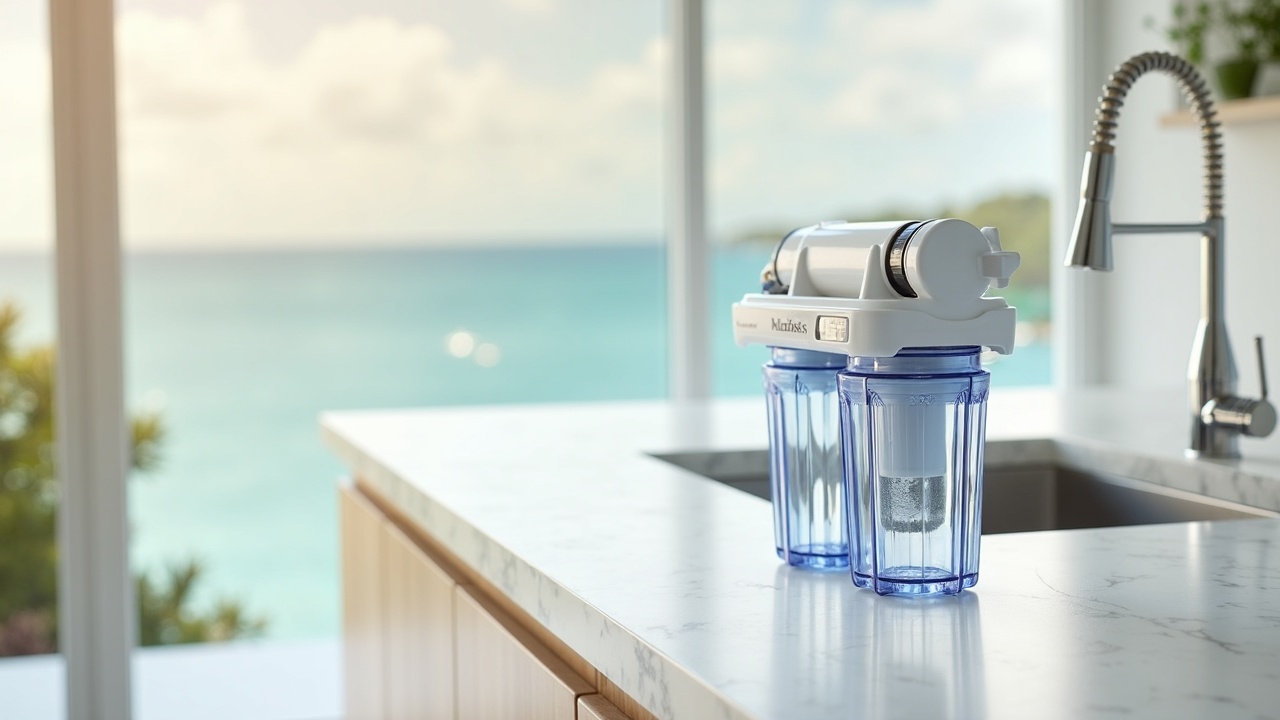
Reverse Osmosis vs Gravity Filter: Which Should You Choose? (Australia 2026)
Reverse Osmosis vs Gravity Filter: Which Should You Choose? (Australia 2026)
| Feature | Reverse Osmosis | Gravity Filter |
|---|---|---|
| Filtration Rate | 190-380L per day | 40-100L per day |
| Initial Cost (AUD) | $299-$899 | $149-$399 |
| Power Required | Yes (mains electricity) | No |
| Installation Complexity | Moderate to complex | Simple |
| Water Waste | 2-3L waste per 1L filtered | Zero waste |
| Contaminant Removal | 99%+ including dissolved solids | 95-99% excluding dissolved minerals |
Choosing between reverse osmosis and gravity filtration systems represents one of the most important decisions for Australian households seeking clean drinking water. Both technologies offer distinct advantages: reverse osmosis delivers comprehensive purification including dissolved contaminants, while gravity filters provide chemical-free filtration without electricity or plumbing modifications. Your choice depends on water quality needs, budget constraints, and household circumstances.
RO removes more — including fluoride, PFAS, heavy metals, and dissolved solids. Gravity filters need no power or plumbing. If fluoride removal is the priority, RO is the only residential option that reliably delivers it.
See RO Systems on Amazon AUWhat is Reverse Osmosis?
RO removes more — including fluoride, PFAS, heavy metals, and dissolved solids. Gravity filters remove less but need no power or plumbing. If fluoride removal is the priority, RO is the only residential option that reliably delivers it.
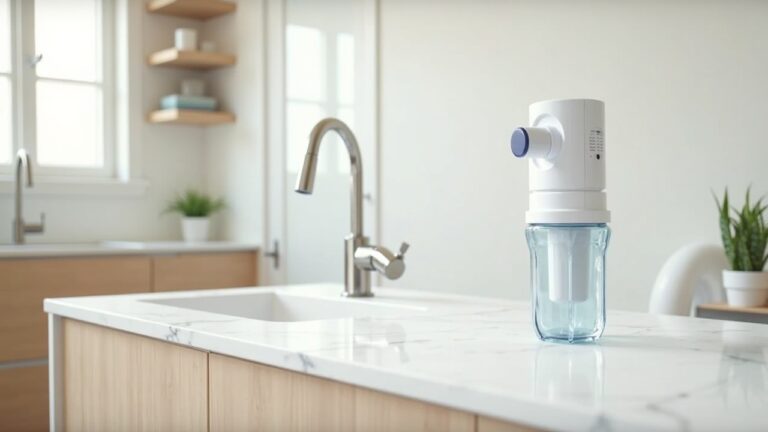
See RO Systems on Amazon AUReverse osmosis (RO) systems force water through an ultra-fine semipermeable membrane under pressure, removing virtually all contaminants including bacteria, viruses, heavy metals, fluoride, and dissolved minerals. These systems typically install under kitchen sinks, connecting directly to your water supply. RO technology produces exceptionally pure water but requires electricity, generates wastewater, and removes beneficial minerals alongside harmful contaminants.
What is a Gravity Filter?
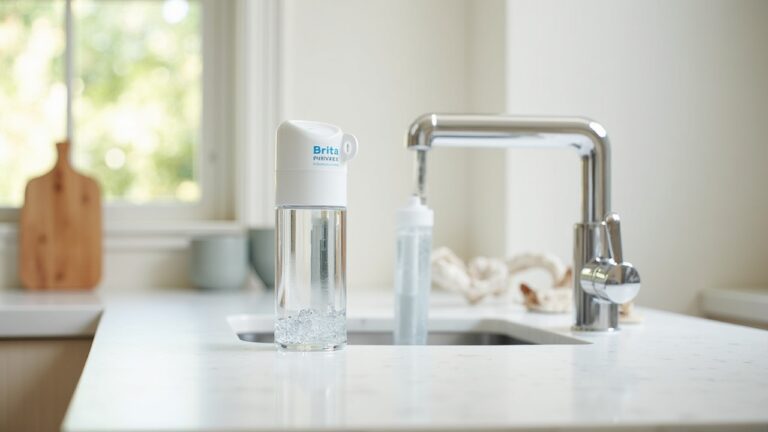
Gravity filtration systems use natural gravitational force to draw water through ceramic, carbon, or composite filter elements housed in stainless steel chambers. Popular brands like Berkey and Zen Water Systems require no electricity or plumbing — simply pour water into the upper chamber and collect filtered water below. These systems excel at removing chlorine, bacteria, pesticides, and organic compounds while preserving essential minerals.
Key Differences
Performance Comparison
Reverse osmosis systems deliver superior contaminant removal, eliminating 99.9% of dissolved solids, heavy metals, fluoride, and pharmaceutical residues. However, this thoroughness removes beneficial minerals like calcium and magnesium, potentially creating acidic water around 6.0-6.5 pH.
Gravity filters typically remove 95-99% of chlorine, bacteria, cysts, and organic chemicals while retaining natural minerals. Quality ceramic elements can eliminate bacteria down to 0.2 microns, but cannot remove dissolved fluoride or heavy metals without specialized add-on filters.
Cost Comparison (AUD)
Initial investment varies significantly between systems. Quality reverse osmosis units from brands like Waterdrop or APEC cost $299-$599 on Amazon AU, while premium models reach $899. Installation may require professional plumbing, adding $150-$300.
Gravity systems present lower upfront costs — basic Zen Water Systems start around $149 in our Clean & Native store, while premium Berkey-style systems cost $299-$399. No installation fees apply since these are countertop units.
Ease of Use/Installation
RO systems require moderate DIY skills or professional installation, involving shut-off valves, drilling, and under-sink mounting. Once installed, operation is automatic with filtered water dispensed through a dedicated tap.
Gravity filters offer plug-and-play simplicity — unpack, assemble the chambers, prime the elements, and start filtering immediately. No tools, plumbing modifications, or technical knowledge required. However, you must manually refill the upper chamber as needed.
Long-term Running Costs
RO systems demand multiple filter replacements annually: sediment and carbon pre-filters every 6-12 months ($40-$80), RO membrane every 2-3 years ($80-$120), plus increased water bills from wastewater production.
Gravity filter elements last 12-24 months depending on usage, costing $120-$180 for replacement pairs. No electricity costs or water waste means lower ongoing expenses, typically 30-40% less than RO systems annually.
Which is Better For…
Families with High Daily Water Consumption
Reverse osmosis suits households using 15+ litres daily, as these systems produce filtered water continuously without manual intervention. The higher flow rate and automatic operation justify the increased complexity and costs for busy families.
Renters and Temporary Living Situations
Gravity filters excel for renters unable to modify plumbing or those wanting portable filtration. These systems move easily between homes, require no landlord approval, and work anywhere with basic counter space — perfect for apartments, rentals, or temporary accommodation.
Areas with Hard Water or High TDS
Households dealing with bore water, high mineral content, or total dissolved solids above 500ppm benefit from reverse osmosis. Only RO technology removes dissolved minerals causing scale buildup and metallic tastes that gravity filters cannot address.
Off-Grid or Environmentally Conscious Users
Gravity systems align perfectly with sustainable living — no electricity consumption, zero water waste, and long-lasting filter elements. For solar-powered homes, remote properties, or eco-conscious households, gravity filtration provides excellent purification without environmental compromise.
Our Verdict
Choose reverse osmosis if you prioritize maximum contaminant removal, have concerning dissolved minerals or heavy metals, and don’t mind the complexity and ongoing costs. RO systems excel in areas with poor source water quality or specific health concerns requiring comprehensive filtration.
Select gravity filtration for simple, sustainable water treatment that removes common contaminants while preserving beneficial minerals. These systems suit most Australian households with reasonably good municipal water, offering excellent value and environmental benefits.
For optimal results, consider your local water quality report — available free from your water utility. High TDS or specific contaminants may necessitate RO, while standard chlorinated municipal water works beautifully with gravity systems.
Frequently asked questions
Do reverse osmosis systems waste a lot of water in Australia’s drought conditions?
Yes, standard RO systems waste 2-3 litres for every litre of filtered water produced. For a family using 10L daily, this creates 20-30L of wastewater. However, this waste water can be collected for garden irrigation or household cleaning, reducing environmental impact.
Does reverse osmosis remove fluoride from Australian tap water?
Yes. Reverse osmosis removes 93-97% of fluoride through its semi-permeable membrane. It is one of the only residential methods that reliably removes fluoride — activated carbon and gravity filters do not.
Do reverse osmosis systems waste a lot of water in Australia’s drought conditions?
Standard RO systems produce 2-3L of wastewater per litre of filtered water. Modern efficient models (like the EcoHero 5-stage) use a 50% efficiency membrane — 1L waste per 1L filtered. The wastewater can be collected for garden irrigation.
Can gravity filters remove fluoride from Australian tap water?
No. Gravity filters using activated carbon, ceramic, or similar media do not remove fluoride. Only reverse osmosis and distillation reliably remove fluoride from tap water.
Which is better for renters — RO or gravity filter?
Gravity filters are better for renters. They require no plumbing modifications, no bench hole, and no landlord approval. Under-sink RO requires permanent plumbing changes that most rental agreements prohibit.
What is the running cost of a reverse osmosis system in Australia?
Filter replacements typically cost $150-300 per year. Annual servicing for a 5-stage RO (including labour) runs $300-500. Gravity filter media replacements are generally cheaper at $50-150 per year.
How long do gravity filters last compared to RO membranes?
Gravity filter elements typically last 6-12 months under average Australian household use. RO membranes last 2-3 years. Both require regular maintenance — a clogged filter removes less while appearing to work fine.

Written by
Jayce Love
Former Royal Australian Navy Clearance Diver and TAG-E counter-terrorism operator. Founded Clean and Native to apply the same rigorous thinking to the home environment.
Full biography ->Related Articles
Get the Australian Home Environment Checklist
30 checks across water, air and EMF. Most of them free. Ranked by impact.
No spam. Unsubscribe any time.

Former Royal Australian Navy Clearance Diver and TAG-E counter-terrorism operator. Founded Clean and Native to apply the same rigorous thinking to the home environment.
Full biography →