Water Filter Pitcher vs Countertop RO System: Which Should You Choose? (Australia 2026)
Water Filter Pitcher vs Countertop RO System: Which Should You Choose? (Australia 2026)
| Feature | Water Filter Pitcher | Countertop RO System |
|---|---|---|
| Initial Cost | $25-$80 AUD | $180-$450 AUD |
| Installation | None required | Connects to tap |
| Filtration | Basic (chlorine, taste) | Comprehensive (99%+ contaminants) |
| Water Capacity | 1.5-3L | Continuous flow |
| Filter Replacement | Every 1-2 months | Every 6-12 months |
| Best For | Renters, basic needs | Homeowners, pure water |
Choosing between a water filter pitcher and a countertop reverse osmosis (RO) system can be challenging for Australian households. Both options promise cleaner, better-tasting water, but they differ significantly in cost, performance, and convenience. While pitchers offer an affordable entry point for basic filtration, countertop RO systems deliver superior purification at a higher price point. Understanding these differences helps you make the right choice for your family’s needs and budget.
What is a Water Filter Pitcher?
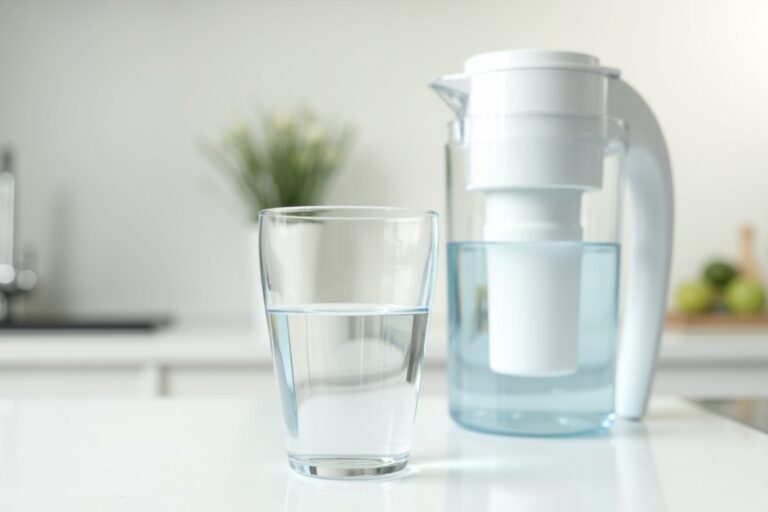
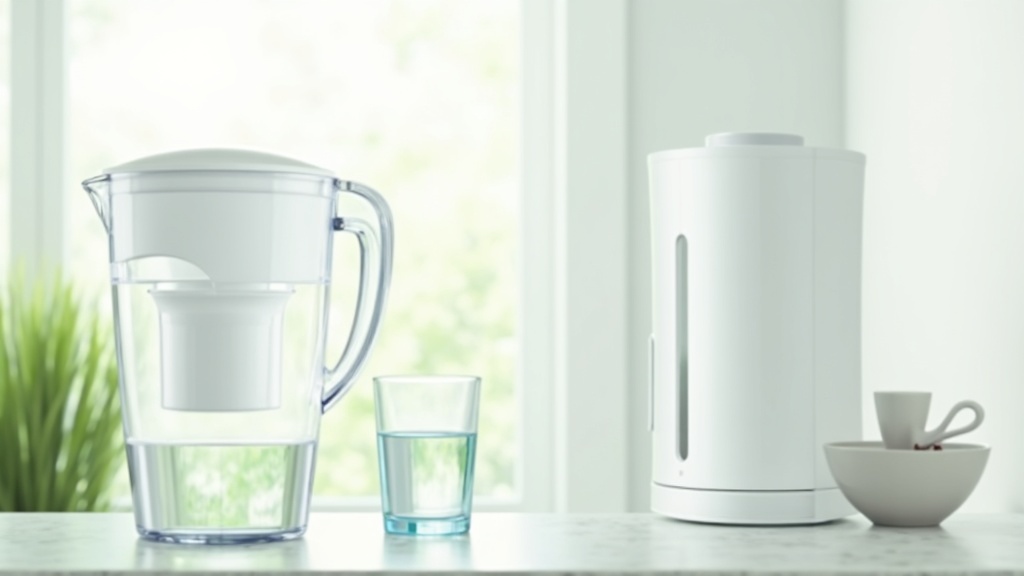
A water filter pitcher is a portable container with an integrated filtration system, typically using activated carbon or basic multi-stage filters. Popular brands like Brita, PUR, and ZeroWater are readily available across Australian retailers including Coles, Woolworths, and Amazon AU. These pitchers work through gravity, slowly filtering tap water as it passes through the cartridge. They’re designed to improve taste and reduce chlorine, but offer limited protection against serious contaminants like heavy metals or bacteria.
What is a Countertop RO System?
A countertop reverse osmosis system uses advanced multi-stage filtration, including a semi-permeable membrane that removes up to 99% of contaminants. Unlike under-sink models, these units sit on your benchtop and connect directly to your tap via an adapter. Systems from brands like APEC, Waterdrop, and AquaTru range from $180-$450 AUD through Clean & Native or Amazon AU. They produce purified water comparable to bottled water quality, removing everything from chlorine to lead, bacteria, and dissolved solids.
Key Differences
Performance Comparison
The filtration gap between these systems is substantial. Water filter pitchers primarily target chlorine, some heavy metals, and taste/odour issues. They’re effective for basic municipal water improvement but struggle with serious contamination. Countertop RO systems eliminate virtually all contaminants including bacteria, viruses, pesticides, pharmaceuticals, and total dissolved solids (TDS). Independent testing shows RO systems achieving 95-99% contaminant removal versus 20-60% for standard pitcher filters.
Cost Comparison (AUD)
Initial investment varies dramatically. Basic pitchers start around $25 AUD, while premium models like ZeroWater reach $80 AUD. Countertop RO systems begin around $180 AUD for entry-level units, with quality systems costing $300-$450 AUD. However, this upfront difference narrows over time due to filter replacement costs and water production efficiency.
Ease of Use/Installation
Pitchers win on simplicity – just fill and wait. No installation, no plumbing connections, perfect for renters or those wanting minimal commitment. Countertop RO systems require connecting to your tap via included adapters, which takes 10-15 minutes but isn’t permanent. Most systems include Australian tap adapters, though some older taps may need additional fittings available through hardware stores.
Long-term Running Costs
This is where calculations get interesting. Pitcher filters cost $15-$25 AUD each and last 1-2 months with average use, totaling $90-$150 annually. RO system filters cost $60-$120 AUD but last 6-12 months, averaging $80-$150 yearly. However, RO systems produce more usable water per dollar, making the per-litre cost significantly lower for families consuming substantial filtered water.
Which is Better For…
Renters and Students
Water filter pitchers suit rental situations perfectly. No installation means no landlord approval needed, and you can take it anywhere. The low upfront cost fits tight budgets, and basic filtration handles most Australian municipal water adequately for drinking and cooking.
Families with High Water Consumption
Countertop RO systems excel for families drinking 5+ litres of filtered water daily. Continuous production eliminates waiting time, and the superior purification provides peace of mind for children’s health. The per-litre cost becomes economical with high usage.
Health-Conscious Households
For those prioritizing maximum contaminant removal – particularly families with compromised immune systems or concerns about specific local water issues – RO systems offer unmatched purification. Australian water is generally safe, but RO provides bottled-water quality from your tap.
Small Kitchens or Temporary Solutions
Pitchers work well in small spaces, student accommodation, or as backup filtration during system maintenance. They’re also excellent for testing whether your household values filtered water before investing in permanent solutions.
Our Verdict
Both systems serve different needs effectively. Water filter pitchers excel as affordable, no-commitment solutions for basic taste improvement and chlorine removal. They’re perfect for renters, low water consumption households, or those testing the filtered water market.
Countertop RO systems justify their higher cost through superior performance, convenience, and long-term value for committed users. If you’re buying bottled water regularly, have health concerns, or want maximum contaminant removal, RO systems deliver exceptional value.
For most Australian households, we recommend starting with a quality pitcher like Brita or ZeroWater (available through Clean & Native or Amazon AU) to assess your filtered water needs. Heavy users or those requiring maximum purification should invest directly in countertop RO systems from established brands.
Frequently Asked Questions
Do I need filtered water if I live in Australia’s major cities?
How much money can I save compared to buying bottled water?

Written by
Jayce Love
Former Royal Australian Navy Clearance Diver and TAG-E counter-terrorism operator. Founded Clean and Native to apply the same rigorous thinking to the home environment.
Full biography ->Related Articles
Get the Australian Home Environment Checklist
30 checks across water, air and EMF. Most of them free. Ranked by impact.
No spam. Unsubscribe any time.

Former Royal Australian Navy Clearance Diver and TAG-E counter-terrorism operator. Founded Clean and Native to apply the same rigorous thinking to the home environment.
Full biography →Similar Posts
PFAS Contamination in Australian Drinking Water
11 min read Disclosure: Clean and Native earns a commission if you purchase through links on this page, at no…
Best Water Filter for Arsenic Australia (2026): Regional Hotspots and What Removes It
4 min read Disclosure: Clean and Native earns a commission if you purchase through links on this page, at no…
Brita Jug Filter vs Clearly Filtered Pitcher Australia 2026: Which Is Worth Your Money?
9 min read This article contains affiliate links. We may earn a commission at no extra cost to you. Full…
Big Berkey vs Doulton Gravity Filter: Which Should You Choose? (Australia 2026)
5 min read Testing note: Measurements referenced in this article were taken using a calibrated TriField TF2 EMF meter and…
Tappwater EcoPro vs Brita On Tap Australia 2026: Which Is Worth Your Money?
12 min read Disclosure: Clean and Native earns a commission if you purchase through links on this page, at no…
Best Water Filter Sydney 2026
best water filter Sydney 2026 — Clean & Native’s Australian guide covering everything you need to know, with evidence-based recommendations.