7 min read
QUICK VERDICT
Launceston’s tap water is excellent quality
Launceston tap water is safe to drink straight from the tap, with TasWater delivering water that meets all Australian Drinking Water Guidelines with low TDS (60 mg/L), ideal pH (7.4), and no PFAS concerns. The water quality matches Hobart’s excellent standards with minimal dissolved minerals and proper disinfection. The catches: chlorine taste may bother some households, and while fluoride levels (1 mg/L) meet guidelines, families wanting fluoride-free water will need filtration.
| Concern |
Launceston Status |
Verdict |
| Drinking unfiltered | Meets all ADWG standards, low TDS | Safe as-is |
| Chlorine taste | Free chlorine disinfection used | Filter for taste preference |
| Fluoride removal | 1 mg/L present (guideline-compliant) | RO needed if removing |
See Waterdrop D6 RO Filter Price →
The three products we own are measured first-hand by Jayce Love, former Royal Australian Navy Clearance Diver; every other product is assessed on published manufacturer specifications and independent certification using our documented methodology — no gifted units, no brand payments.
# Launceston Tap Water Quality 2026: What’s Actually In It?
Launceston Water Quality Quick Stats
| Water Utility: | TasWater |
| Fluoride: | 1 mg/L |
| Total Dissolved Solids (TDS): | 60 mg/L |
| Water Hardness: | 22 mg/L as CaCO3 |
| pH Level: | 7.4 |
| Disinfection Method: | Free chlorine |
Launceston residents can feel confident about their tap water quality. TasWater delivers water that meets all Australian drinking water guidelines, with no documented PFAS concerns in the region. The water quality mirrors Hobart’s excellent standards, featuring low mineral content and proper pH balance. While the water is completely safe to drink straight from the tap, some residents may prefer filtered water for taste preferences or to reduce chlorine levels used in the disinfection process.
## Launceston Water Quality Data
TasWater supplies Launceston (postcode 7250) with consistently high-quality drinking water. Here’s what the key metrics mean for your household:
Total Dissolved Solids (TDS): 60 mg/L – This excellent, low reading indicates very pure water with minimal dissolved minerals. TDS levels below 150 mg/L are considered excellent, making Launceston’s water exceptionally clean.
pH Level: 7.4 – Sitting just above neutral (7.0), this slightly alkaline pH is ideal for drinking water. It helps prevent corrosion in household plumbing and provides a clean, refreshing taste.
Disinfection: Free Chlorine – TasWater uses chlorine to eliminate harmful bacteria and viruses. While completely safe, some residents notice a chlorine taste or smell, particularly when water has sat in pipes for extended periods.
The water undergoes rigorous testing and treatment processes before reaching your tap, ensuring it consistently meets or exceeds Australian Drinking Water Guidelines.
## Is Launceston Water Hard or Soft?
Launceston enjoys exceptionally soft water with a hardness level of just 22 mg/L as CaCO3. To put this in perspective, water is classified as:
– Soft: 0-60 mg/L
– Moderately hard: 60-120 mg/L
– Hard: 120-180 mg/L
– Very hard: >180 mg/L
This soft water profile brings several benefits for Launceston households:
Appliances: Your washing machine, dishwasher, and hot water system will thank you. Soft water prevents scale buildup, extending appliance life and maintaining efficiency. You won’t see white, chalky deposits on taps or showerheads.
Skin and Hair: Soft water is gentler on skin and hair, allowing soaps and shampoos to lather more effectively. Many residents notice their skin feels less dry and their hair appears shinier compared to areas with hard water.
Taste: The low mineral content contributes to a clean, neutral taste that many find preferable for drinking and cooking.
## Does Launceston Water Have Fluoride?
Yes, Launceston’s water contains 1 mg/L of fluoride, which sits at the upper limit of the NHMRC (National Health and Medical Research Council) guideline range of 0.7-1.0 mg/L.
Fluoride is added to Australian public water supplies as a public health measure to prevent tooth decay. The Australian Dental Association strongly supports water fluoridation, citing decades of research showing its safety and effectiveness in reducing dental cavities by 20-40%.
For residents concerned about fluoride intake, particularly parents of young children or those with specific health considerations, water filtration options can reduce fluoride levels. However, it’s worth noting that the current levels are within established safety guidelines and are monitored regularly by TasWater.
## Should Launceston Residents Filter Their Water?
Honestly? Launceston’s tap water is safe to drink without filtration. The excellent water quality data shows TasWater delivers clean, properly treated water that meets all health standards.
However, some residents choose to filter their water for these reasons:
Taste and Odour: While chlorine keeps water safe, some people prefer to reduce its taste and smell through filtration.
Personal Preference: Some households simply prefer the taste of filtered water, even when tap water is perfectly safe.
Fluoride Concerns: Parents or individuals wanting to control fluoride intake may opt for filtration systems that remove fluoride.
The choice to filter is largely personal preference rather than necessity in Launceston. If you’re satisfied with your tap water’s taste and have no specific health concerns, you’re getting excellent quality water straight from the tap.
## Best Water Filters for Launceston Residents
Given Launceston’s excellent water quality with low TDS and soft characteristics, residents don’t need aggressive filtration. Here are the most suitable options:
1. Activated Carbon Bench-top Filters ($50-150 AUD)
Perfect for Launceston’s water profile, these filters effectively remove chlorine taste and odour without over-filtering the already excellent water. Brands like Waters Co and Stefani offer quality options available through
Amazon Australia and local retailers.
2. Under-sink Carbon Systems ($200-400 AUD)
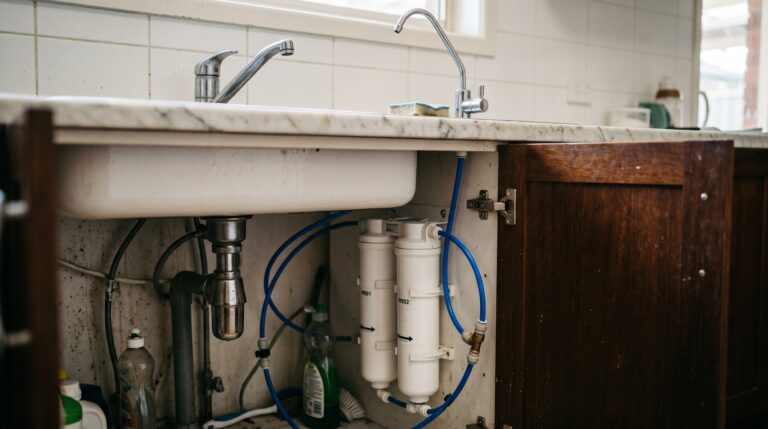
For whole-of-kitchen convenience, under-sink activated carbon systems provide filtered water on demand. These systems are ideal for Launceston’s soft water as they won’t waste water like reverse osmosis systems would with such clean source water.
3. Gravity-fed Ceramic Filters ($150-300 AUD)
Gravity filters work excellently with Launceston’s low TDS water, providing gentle filtration that removes chlorine and potential contaminants while preserving beneficial mineral balance. Popular with households wanting natural filtration without electricity.
Avoid over-engineering your filtration – expensive reverse osmosis systems are unnecessary given Launceston’s already excellent water quality and would strip away the naturally low but beneficial mineral content.
## Frequently Asked Questions
Q: Is Launceston tap water safe to drink during pregnancy?
A: Yes, TasWater’s supply meets all Australian drinking water guidelines and is safe for pregnant women. The fluoride level (1 mg/L) is within safe limits established by health authorities. If you have specific concerns, consult your healthcare provider.
Q: Why does my tap water sometimes smell like chlorine in Launceston?
A: TasWater uses free chlorine for disinfection, which can create a noticeable smell, especially in water that’s been sitting in pipes. This is normal and indicates the disinfection system is working. Running the tap briefly usually reduces the odour, or consider a simple carbon filter if it bothers you.
Q: How does Launceston’s water compare to bottled water?
A: Launceston’s tap water quality matches or exceeds most bottled water standards. With TDS of just 60 mg/L and proper pH balance, you’re getting premium-quality water from your tap
Get the Australian Home Environment Checklist
30 checks across water, air and EMF. Most of them free. Ranked by impact.
No spam. Unsubscribe any time.

Written by Jayce Love
Former Royal Australian Navy Clearance Diver and TAG-E counter-terrorism operator. Founded Clean and Native to apply the same rigorous thinking to the home environment.
Full biography →