
5G Health Risks in Australia: What ARPANSA Found
Australia’s 5G network operates within the ARPANSA radiofrequency exposure standard, which aligns with ICNIRP guidelines, and measured background…

Australia’s 5G network operates within the ARPANSA radiofrequency exposure standard, which aligns with ICNIRP guidelines, and measured background…
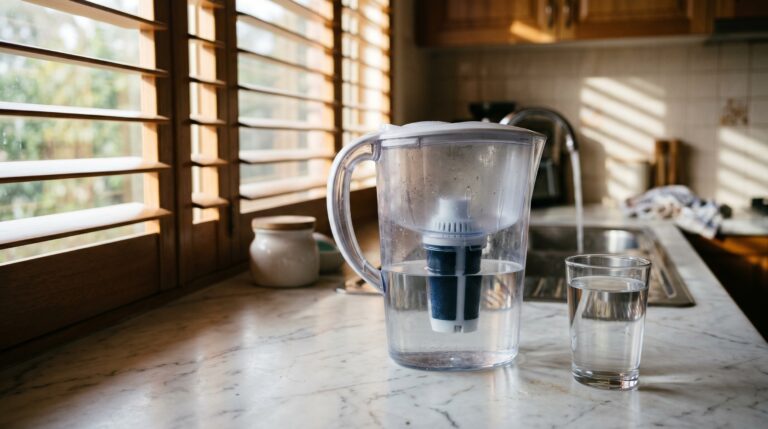
PFAS (per- and polyfluoroalkyl substances) are synthetic chemicals detected in tap water supplies across Australia, with the NHMRC releasing updated…
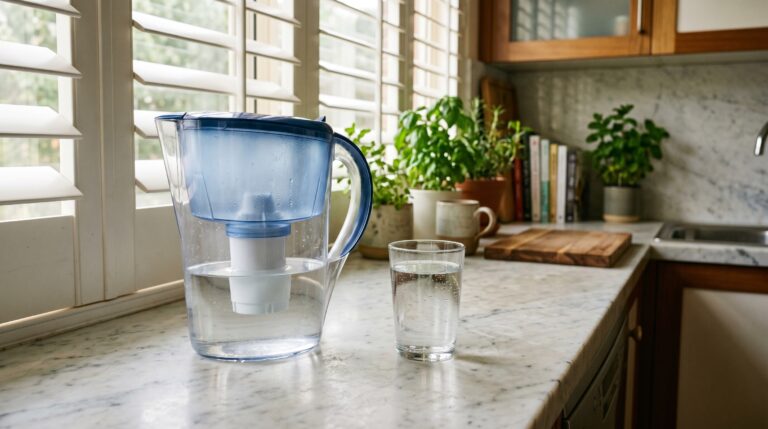
PFAS (per- and polyfluoroalkyl substances) have been detected in Australian tap water supplies across every major city, with Sydney alone testing…

Australia allows up to 560 ng/L of PFOA in drinking water — 140 times higher than the US EPA’s 4 ng/L limit — under the NHMRC 2023 drinking water…
Raw water — unfiltered, untreated water consumed directly from springs, streams, or rainwater tanks — carries documented risks of waterborne…

PFAS contamination in Australian drinking water is a confirmed public health issue, with over 700 sites on the DCCEEW national register and peer-…

During a Darwin boil water alert, activated charcoal filters including Brita-type jugs cannot remove microbial contaminants — only reverse osmosis…
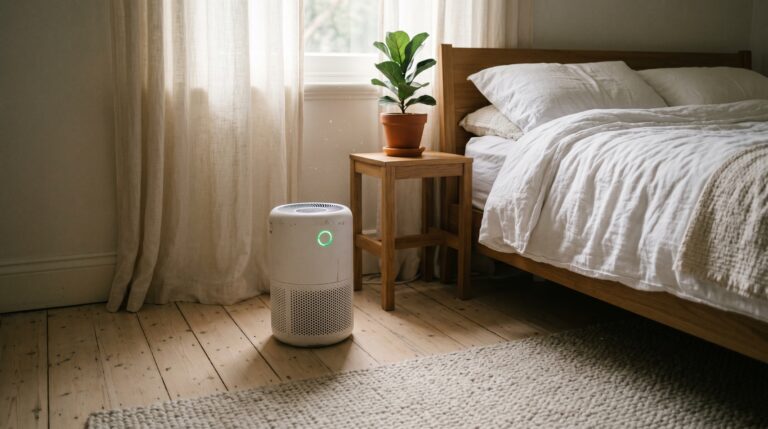
During a Victoria air quality warning, bushfire smoke can push indoor PM2.5 concentrations to levels 5–10 times higher than outdoor readings unless…

During Australia’s bushfire season, outdoor PM2.5 concentrations routinely exceed 500 µg/m³ — twenty times the NEPM standard of 25 µg/m³ — and…

Electrical earthing — direct skin contact with a conductive surface connected to the earth’s electron field — has measurable effects on cortisol…