
How to Read Australia’s Air Quality Index 2026
Australia’s air quality index covers PM2.5, PM10, ozone, NO2, SO2 and CO. What each category means for you and when to close up the house.
Australia’s air quality index covers PM2.5, PM10, ozone, NO2, SO2 and CO. What each category means for you and when to close up the house.
What to measure inside your home (PM2.5, CO2, VOCs, humidity and mould), which monitors are worth buying, and when to call in a professional.
Build a Corsi-Rosenthal box from a box fan and four or five MERV-13 filters in under an hour. Australian parts list, costs and how it compares to HEPA.
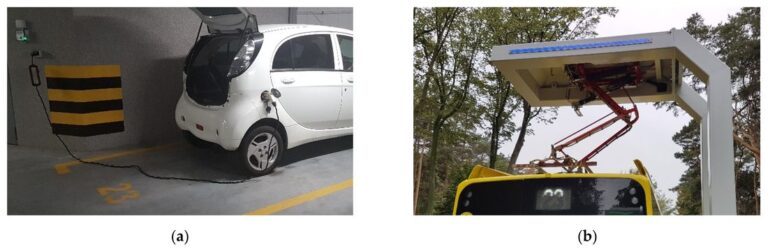
How much EMF is inside an electric car? Peer-reviewed cabin measurements for EVs sold in Australia, ARPANSA limits and how to check your own car.
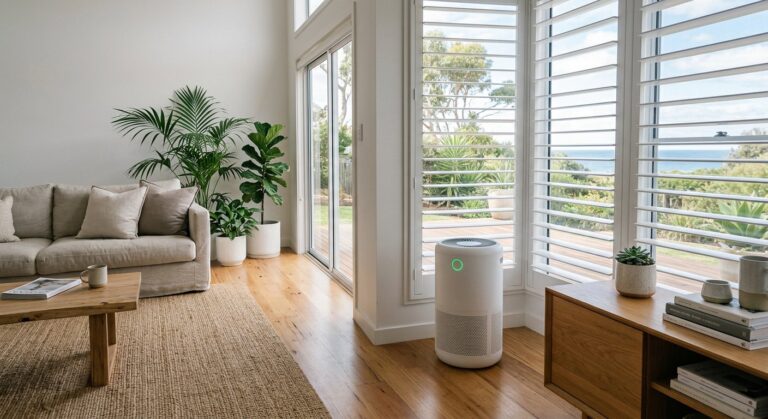
How often to replace HEPA, carbon and pre-filters in Australian conditions, signs a filter is spent, and how bushfire smoke shortens filter life.
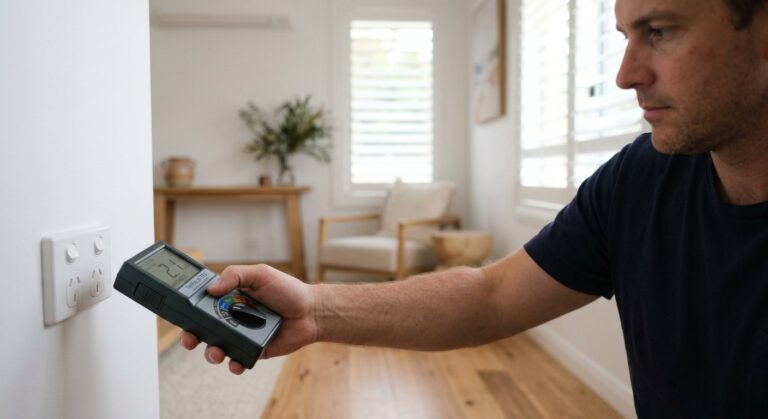
EHS is not a recognised medical diagnosis in Australia, but the symptoms are real to those affected. What the research shows and what helps.
Most Australian homes have low radon levels, well below international action levels. Where risk is higher, how to test and when to act.
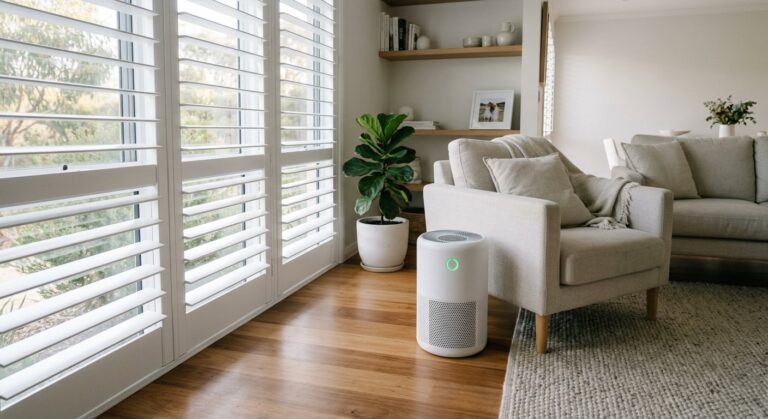
New furniture and flooring release VOCs, mainly formaldehyde from composite wood. How long off-gassing lasts and how ventilation and carbon help.
Fluoride levels in tap water for every Australian state and territory, the 1.5 mg/L ADWG limit, natural vs added fluoride, and which filters remove it.
The ADWG sets a 50 mg/L nitrate guideline to protect babies. Where nitrate is a concern, how to test bore or tank water and which filters remove it.
What do you want to sort out first?
Pick one. You get the 32-page audit, plus six short emails on that topic, in the order that matters.
Check your inbox
The audit is on its way from hello@cleanandnative.com.au. Add that address to your contacts so the follow-ups land.