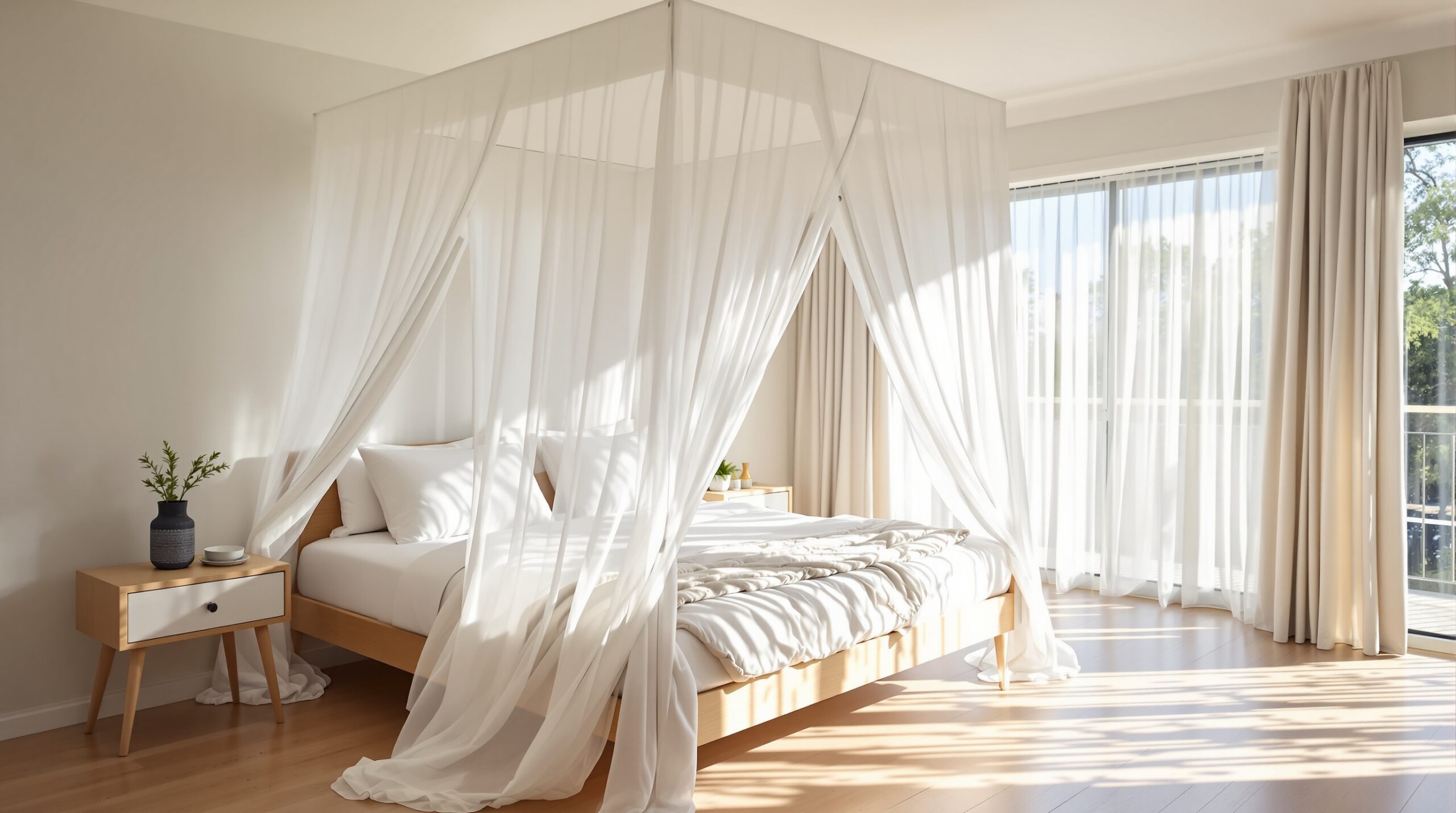
Best EMF Shielding Bed Canopy Australia 2026: Silver Cotton vs Swiss Shield Compared
Drafted with AI assistance and checked against published specifications and certifications. First-hand measurements appear only where stated. How we make content
The best EMF shielding bed canopy in Australia for 2026 is the Swiss Shield Naturell from SaferEMF — it delivers 40dB / 99.99% RF attenuation at 1 GHz, uses OEKO-Tex certified Swiss-manufactured fabric, and offers the strongest shielding-per-dollar ratio of any canopy available to Australian buyers. For budget-constrained households, the SaferEMF Silver Cotton canopy at $990 provides 33dB / 99.95% attenuation — genuine, meaningful RF reduction at roughly a third of the Swiss Shield price. As a former Royal Australian Navy Clearance Diver now based in Palm Beach QLD, I approach EMF shielding the same way I approached dive operations: measure first, act on data, never guess.
How this assessment was made. I have not personally tested every canopy in this roundup in my own home. This assessment is based on manufacturer specifications from Swiss Shield (Switzerland), SaferEMF AU product pages verified on 20 August 2026, OEKO-Tex certification records, and Building Biology SBM-2015 sleep-zone guidelines. Where I have personally measured RF levels in my own bedroom (Palm Beach QLD, using a Safe and Sound Pro II), the article says so explicitly. Clean and Native earns affiliate commission on SaferEMF links. That does not affect which products are assessed or what the specifications say.
The Swiss Shield Naturell is the best EMF bed canopy for most Australian buyers in 2026 — 40dB / 99.99% RF attenuation at 1 GHz, OEKO-Tex certified Swiss fabric, and strong long-term wash durability. At $2,390, it is not cheap. If your budget is under $1,500, the SaferEMF Silver Cotton at $990 is the honest entry point — 33dB / 99.95% at 1 GHz, which still blocks the vast majority of external RF reaching your sleep zone. For the absolute strongest fabric-based shielding available, the Swiss Shield Ventus reaches 47dB / 99.995% at $2,990. Renters who cannot drill into ceilings should look at the Swiss Shield Travel Canopy — same Naturell fabric, collapsible hoop, no permanent installation required.
Top picks at a glance
| Product | dB / Attenuation | Price From | Best For |
|---|---|---|---|
| SaferEMF Silver Cotton | 33dB / 99.95% at 1 GHz | $990 | Budget / most affordable |
| Swiss Shield Naturell | 40dB / 99.99% at 1 GHz | $2,390 | Best overall shielding value |
| Swiss Shield Ventus | 47dB / 99.995% at 1 GHz | $2,990 | Highest shielding (premium) |
| Swiss Shield Travel | 40dB / 99.99% at 1 GHz | $2,990 | Renters / no drilling |
Key catches
- None of these canopies are groundable — Swiss Shield fabrics use insulated conductive threads with no exposed metal. If you need ELF electric field reduction from bedroom wiring, a demand switch (~$100-$150, installed by a licensed electrician) is the correct solution, not a canopy.
- None ship via Amazon AU — all four are sourced exclusively through SaferEMF Australia (saferemf.com.au). The Silver Cotton is currently Pre-Order with restocking expected within 10 days of order.
- A canopy is the LAST step, not the first — if your primary RF source is inside the bedroom (router, phone, DECT cordless), an enclosing canopy reflects and increases exposure. Remove internal sources first. Always measure before and after.
✓ Who This Is For
- Anyone whose RF meter consistently reads above 10 µW/m² from external sources (smart meters, 5G small cells, neighbours’ WiFi through shared walls)
- Apartment and townhouse residents in Sydney, Melbourne, Brisbane, or Perth where multi-unit WiFi stacking pushes sleep-zone RF well above Building Biology thresholds
- Parents shielding an infant or child’s sleep environment after confirming external RF is the dominant source
- People who have already addressed internal sources (router off at night via mechanical timer, phone on airplane mode, DECT phone removed) and still measure above 1 µW/m²
- Renters in QLD or NSW who cannot modify property walls but want meaningful, portable RF reduction
× Who It Is Not For
- Anyone who has not measured their bedroom RF levels first — without baseline readings, you cannot confirm whether a canopy is needed or verify it works after installation. Start with a TriField TF2 or Safe and Sound Pro II
- Anyone whose primary RF source is inside the bedroom (router, smart TV, phone charging beside the bed) — a canopy will reflect that energy and increase exposure
- Anyone looking to block ELF electric fields from bedroom wiring — these canopies are not groundable and do not address that. A demand switch installed by a licensed electrician (~$100-$150) is the correct solution
- Anyone on a budget below $990 who expects meaningful RF reduction — there is no credible canopy below that price point. Free actions (airplane mode, router timer, moving bed away from smart meter wall) should come first
- Anyone seeking a “one-and-done” EMF solution — a canopy addresses RF only, from external sources only, during sleep only. It is one layer in a measured, systematic approach
Best EMF Bed Canopy Australia 2026
Why Australian Bedrooms Have a Specific RF Problem
Your bedroom is where you spend roughly eight hours per night — a third of your life — in a state where your body prioritises cellular repair and recovery. If external RF sources are pushing your sleep-zone readings above the Building Biology SBM-2015 threshold of 1 µW/m² (no anomaly) or 10 µW/m² (slight anomaly), those eight hours represent the single largest window of cumulative exposure in your daily routine.
Australian metro bedrooms face a compounding set of RF sources that most overseas guides do not address. Smart meters — deployed by Energex (QLD), AusNet (VIC), Ausgrid (NSW), and Western Power (WA) — operate at 900 MHz and transmit in short bursts every 15-30 seconds. The time-averaged power is low, but peak readings during each burst are routinely 100-1,000x higher than the time-average. If your bedroom wall shares an exterior with the smart meter, you are sleeping beside a pulsed transmitter. NBN 5G small cells deployed by Telstra, Optus, and TPG on street poles in metro corridors (inner Sydney, inner Melbourne, Brisbane CBD fringe, Perth suburban rollout) operate at 3.5 GHz and 28 GHz. Building walls provide 10-30 dB of natural attenuation, but at close range (under 20 metres), the residual RF through a window or thin-walled apartment can still exceed Building Biology thresholds. Multi-unit WiFi stacking in apartment blocks creates a background RF level that no single router-off action can solve — your router is one of 10 or 20 transmitting through shared walls and ceilings.
This is the context where a bed canopy earns its place: after you have removed or reduced every internal RF source, and your meter still reads above threshold from sources you cannot control. A canopy creates a localised Faraday enclosure around your sleep zone, attenuating that external residual RF by 33-47 dB depending on fabric. That is the specific, measurable function — nothing more, nothing less.
The Shielding Trap: Why Measurement Must Come First
Here is the single most expensive mistake you can make with an EMF bed canopy: installing one while your phone, router, or DECT cordless base station is still inside the shielded zone. A canopy is a partial Faraday enclosure. It reflects RF. If the RF source is outside the canopy (smart meter through the wall, neighbour’s WiFi), reflection works in your favour — it bounces external RF away from your sleep position. But if the RF source is inside the canopy (your phone charging on the bedside table), reflection works against you. The canopy bounces that energy back and forth inside the enclosure, concentrating it rather than reducing it.
This is not theoretical. It is basic RF physics, and it is the reason ARPANSA’s published guidance and every reputable Building Biology practitioner insists on the same sequence:
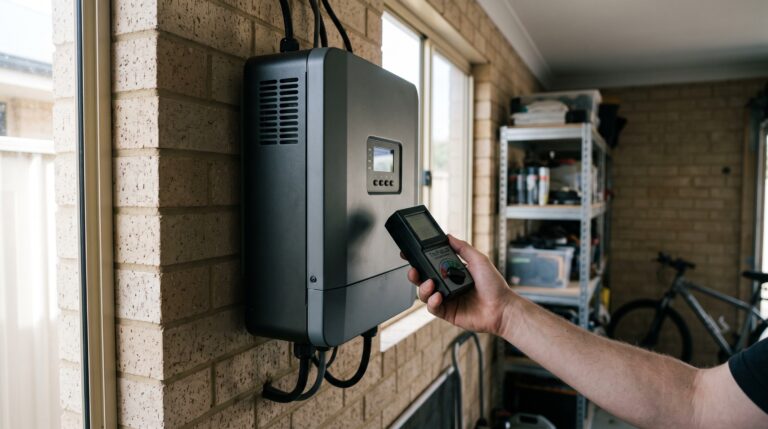
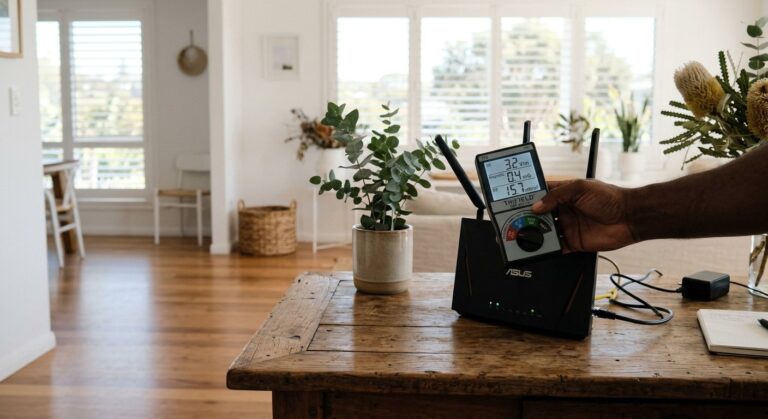
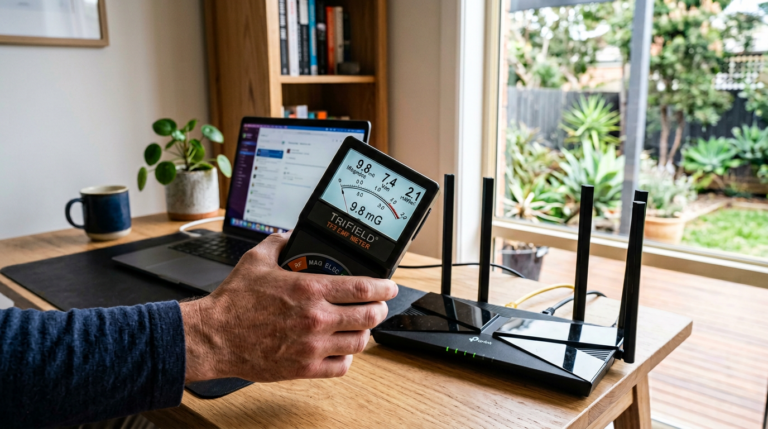
1. Measure. Use a calibrated RF meter — a TriField TF2 ($250-$300) covers RF, AC magnetic, and AC electric fields in one device. A Safe and Sound Pro II is the dedicated RF-only option with audio readout, ideal for pinpointing directional sources. Take readings at your pillow position with the meter on peak-hold mode. Record the baseline number. Without this, every decision is a guess.
2. Remove internal sources. Phone on airplane mode (free). Router off at night via a HPM 24 Hour Analog Timer (~$20 on Amazon AU). DECT cordless base station moved to another room or replaced with a corded phone. Smart TV WiFi disabled, connected via ethernet cable instead. These are the highest-impact-per-dollar actions for any Australian bedroom. Re-measure after completing them.
3. Shield external residual only. If your readings are still above threshold after step 2, the remaining RF is coming from outside the room — smart meter, small cell, neighbours’ WiFi. This is where a canopy is the correct intervention. It attenuates that external residual by the dB rating of the fabric. Re-measure inside the canopy to confirm the reduction.
Skip steps 1 and 2, and a $2,990 Swiss Shield canopy can make your sleep zone worse, not better. That is not a sales pitch for meters — it is physics. If you do not own a meter and cannot afford one, the free actions in step 2 still apply and cost nothing.
Understanding dB Ratings: What the Numbers Actually Mean
Canopy manufacturers quote shielding effectiveness in decibels (dB), which is a logarithmic scale. Most people see “33 dB” and “40 dB” and assume the difference is small. It is not. Each 10 dB increase represents a 10x reduction in power passing through the fabric. The maths:
| dB Rating | % Blocked | % Passing Through | Power Reduction Factor | Product |
|---|---|---|---|---|
| 33 dB | 99.95% | 0.05% | ~2,000x | Silver Cotton |
| 40 dB | 99.99% | 0.01% | 10,000x | Naturell / Travel |
| 47 dB | 99.995% | 0.005% | ~50,000x | Ventus |
In practical terms: if your pillow-position RF reading is 100 µW/m² (well above the Building Biology SBM-2015 “no anomaly” threshold of 0.1 mW/m², i.e. 100 µW/m²), the Silver Cotton at 33 dB reduces that to approximately 0.05 µW/m². The Naturell at 40 dB reduces it to 0.01 µW/m². The Ventus at 47 dB reduces it to 0.002 µW/m². All three results are well below the Building Biology “no anomaly” threshold. The real-world difference between them matters most when your starting RF level is very high — if you are starting at 1,000 µW/m² (close range to a 5G small cell through a window), the Silver Cotton brings you to 0.5 µW/m² (still under threshold), while the Naturell brings you to 0.1 µW/m² and the Ventus to 0.02 µW/m².
Critical frequency note: All four canopies in this roundup specify their primary dB rating at 1 GHz. At higher frequencies — specifically 10 GHz, relevant to 5G mmWave deployments — both Swiss Shield fabrics (Naturell and Ventus) drop to 99% attenuation (20 dB), and the Silver Cotton drops to 99.7% (approximately 25 dB). For the 900 MHz smart meter frequency and 2.4/5 GHz WiFi bands, the 1 GHz specification is the most relevant reference. If your primary concern is 5G mmWave at 28 GHz, fabric-based canopies are not the strongest solution category — purpose-built metal mesh or solid shielding is more appropriate.
The Four Best EMF Bed Canopies Available in Australia (2026)
1. SaferEMF Silver Cotton EMF Shielding Bed Canopy — Best Budget Pick
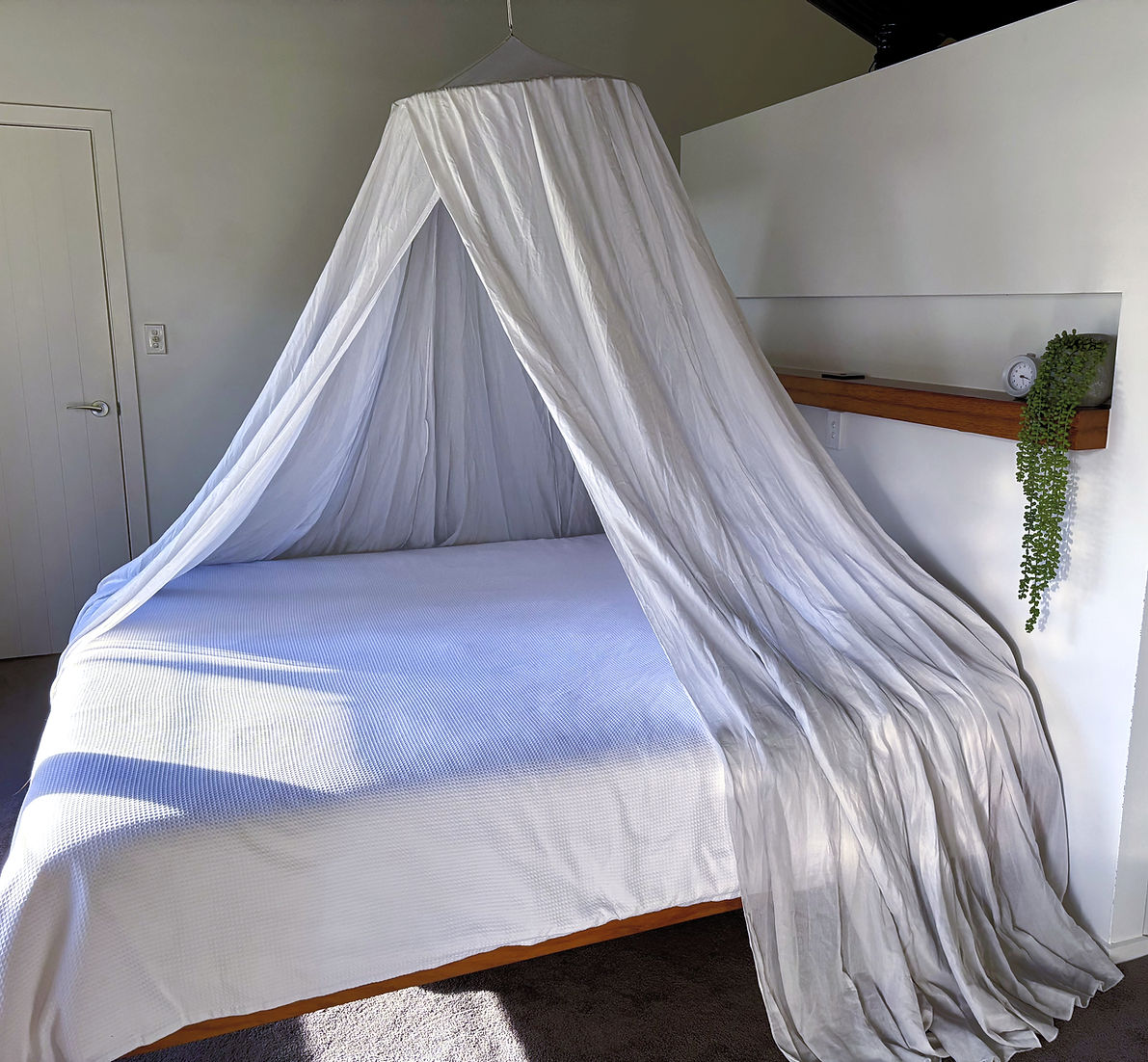
Material: 82% cotton, 18% pure metallic silver-coated thread • OEKO-Tex Standard 100 certified
Weight: 1,500 grams
Colour: Light grey
Sizes: Single/Double (220cm high, 800cm base perimeter) • Queen/King (240cm high, 1,200cm base perimeter)
Included: Canopy with collapsible hoop, 1 ceiling hook, 1 spring toggle ceiling hook, 3m hanging cord, storage/travel bag
Price: From $990.00 AUD
Availability: Pre-Order — always restocked, expected within 10 days of order
Care: Gentle handwash 30°C, TEXCARE detergents only, no bleach, no chemical dry-cleaning, no steam ironing
The Silver Cotton is the most accessible entry point for Australians who want genuine, measurable RF reduction around their sleep zone without spending over $2,000. At $990, it costs less than half the price of either Swiss Shield option, and its 33 dB / 99.95% attenuation at 1 GHz is not a token number — it blocks 99.95 out of every 100 units of RF power at the frequencies that matter most in Australian bedrooms (900 MHz smart meters, 2.4 GHz WiFi). The fabric is 82% cotton with 18% pure metallic silver-coated thread, OEKO-Tex Standard 100 certified (meaning tested for harmful substances against human skin).
The practical advantages over the Swiss Shield range: it comes with a collapsible hoop included (the Swiss Shield permanent canopies require you to source hardwood dowels locally), it ships with ceiling mounting hardware, and its lighter weight (1,500g) makes it easier to handle during installation and removal for washing. The storage/travel bag means you can take it to hotel rooms — though the dedicated Travel Canopy from Swiss Shield is purpose-designed for that use case.
The honest limitation: 33 dB is 7 dB less than the Naturell (40 dB) and 14 dB less than the Ventus (47 dB). In linear terms, the Naturell blocks 5x more power and the Ventus blocks 25x more. For moderate external RF environments — which is most Australian suburban bedrooms — 33 dB is more than enough to reach Building Biology thresholds. For high-exposure environments (apartment directly opposite a 5G small cell, bedroom sharing a wall with a commercial smart meter bank), the Swiss Shield fabrics provide a genuinely larger margin of safety. The other caveat: it is currently on Pre-Order status. SaferEMF states it is always restocked and expected within 10 days of order — not immediate dispatch.
2. Swiss Shield Naturell EMF Shielding Bed Canopy — Best Overall Shielding Value
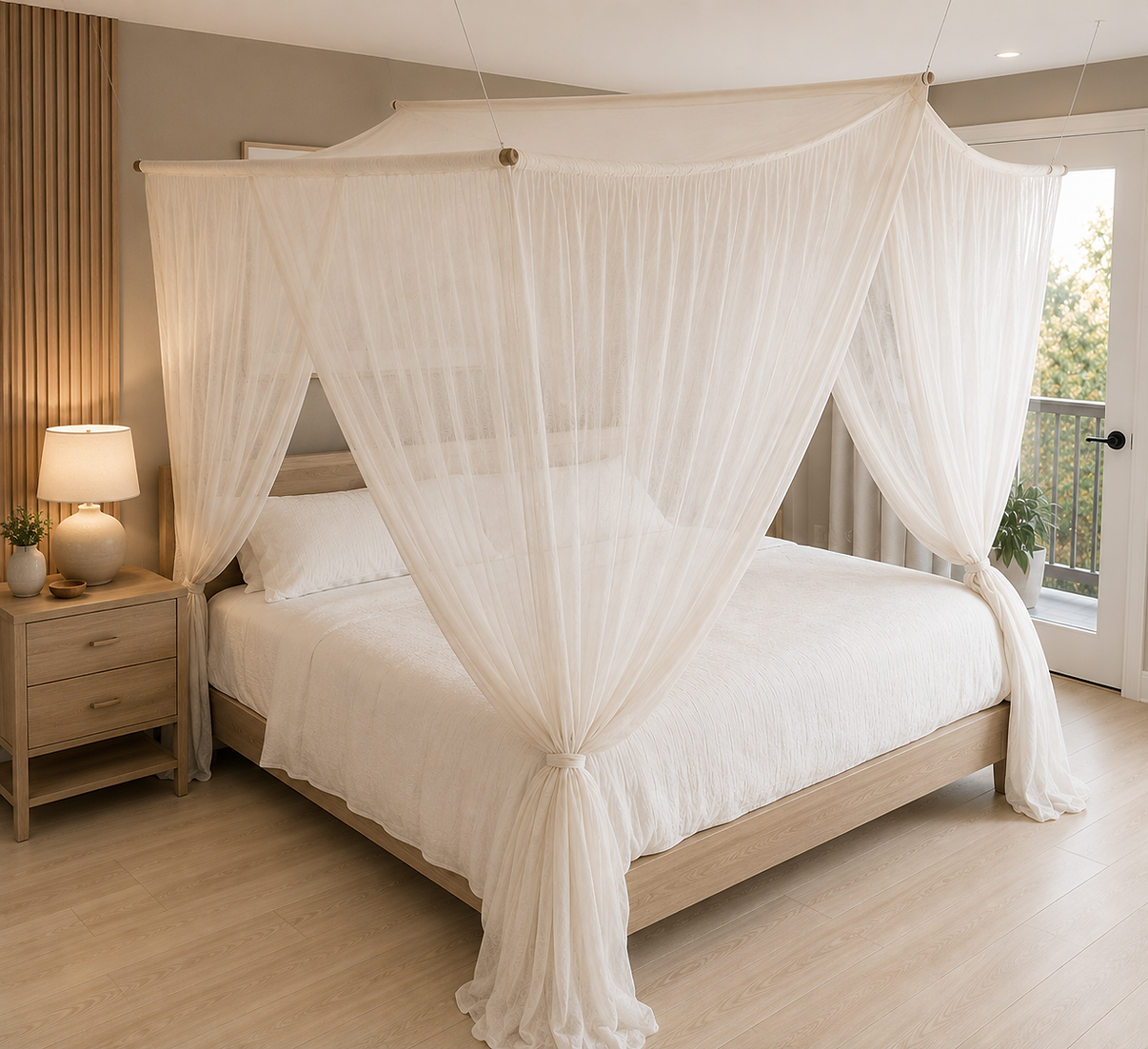
Material: 82% cotton, 18% copper/silver • OEKO-Tex certified • Gossamer-thin 0.02mm silvered copper thread • Manufactured in Switzerland
Conductive: NOT externally conductive — not groundable. Conductive threads are insulated with no exposed metal
Sizes: Single, Double, Queen, King-Slim, King-Wide
Colour: Ecru off white
Installation: Requires 3 hardwood dowels (NOT supplied — buyer sources locally, max 5cm diameter, length depends on size) plus ceiling mounting hardware (not supplied)
Price: From $2,390.00 AUD
The Swiss Shield Naturell is the pick I recommend for buyers who can afford the $2,390 entry price and want the best balance of shielding performance, fabric quality, and long-term durability. At 40 dB / 99.99% attenuation at 1 GHz, it blocks 10,000x more RF power than it passes through — a 5x improvement over the Silver Cotton in linear terms. The fabric is manufactured in Switzerland using gossamer-thin 0.02mm silvered copper thread woven into an 82% cotton base. Swiss Shield fabrics are used in hospitals, government buildings, and Building Biology remediation projects globally, which is as close to a track record as you get in this product category.
The OEKO-Tex certification means the fabric has been independently tested and confirmed free of harmful substances — relevant because you are sleeping inside this material for eight hours per night with it touching or near your skin. The ecru off-white colour looks like a standard mosquito net to anyone who does not know what it is, which matters if you want your bedroom to look like a bedroom and not a laboratory.
What you need to know before buying: The Naturell permanent canopy does not come with a collapsible hoop. It requires three hardwood dowels (maximum 5cm diameter, length determined by your chosen canopy size) that you source locally from a hardware store or timber yard. It also does not include ceiling mounting hardware. This is a genuine installation project — you will need a drill, ceiling anchors rated for the combined weight of fabric and dowels, and confidence working overhead. For renters who cannot drill into ceilings, the Travel variant (reviewed below) uses the same Naturell fabric with a collapsible hoop and no drilling required.
The other critical fact: this canopy is not groundable. Swiss Shield’s own specifications explicitly state that conductive threads are insulated with no exposed metal and the fabric is not externally conductive. If your concern extends to ELF electric fields from bedroom wiring (50 Hz AC), a canopy will not address that. A demand switch installed on your bedroom circuit by a licensed electrician (~$100-$150) eliminates AC electric fields from wiring during sleep — that is the correct, separate solution for that specific problem.
Air Purification
Ventilation handles the source. A HEPA filter handles what is already in the air.
For particulates, VOCs, and bushfire smoke, a HEPA air purifier sized correctly for your room is the most reliable active intervention. We have ranked the top options for Australian homes.
See the Air Purifier Guide →3. Swiss Shield Ventus EMF Shielding Bed Canopy — Highest Shielding (Premium)
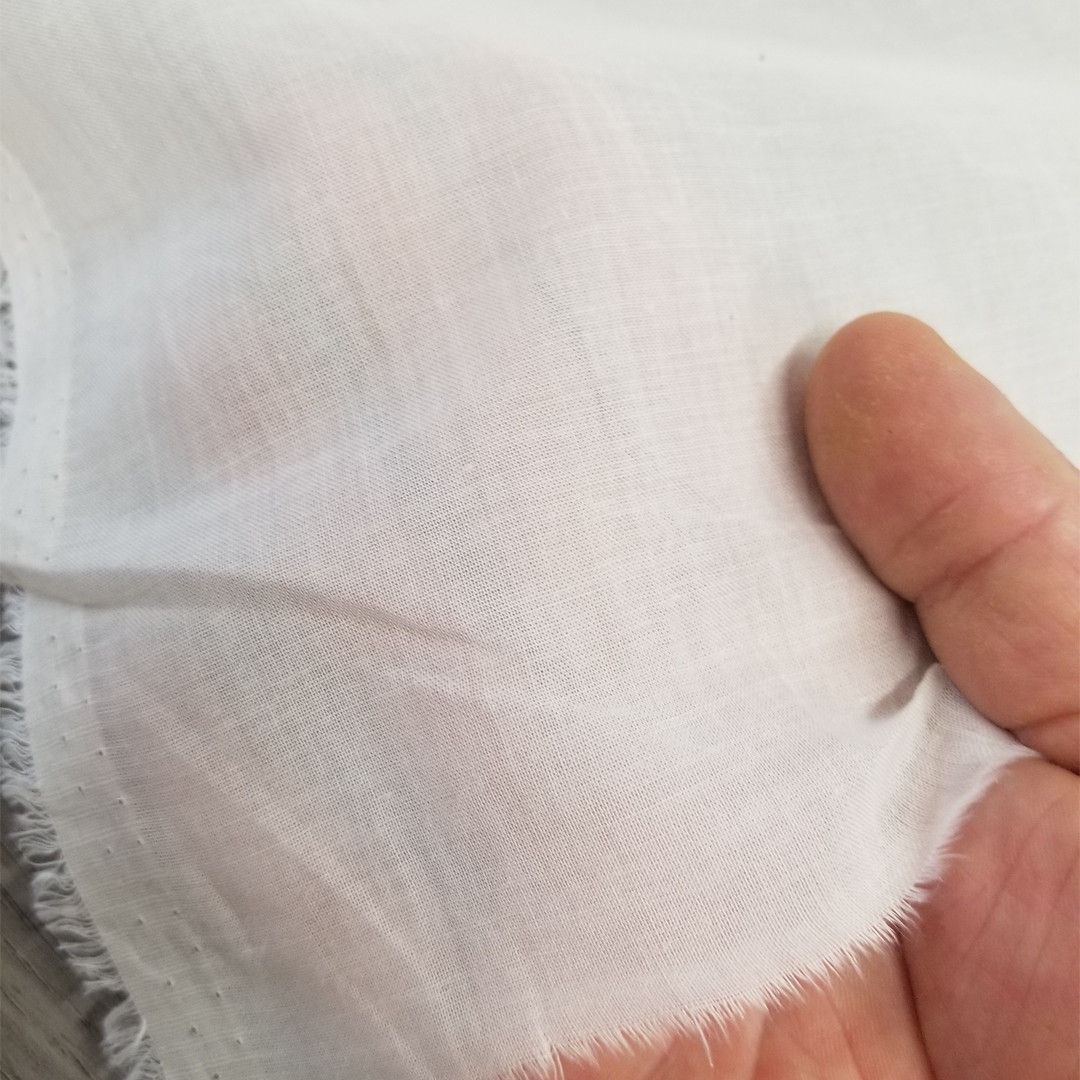
Material: 78% cotton, 20.5% copper, 1.5% silver • OEKO-Tex certified • Manufactured in Switzerland
Conductive: NOT externally conductive — not groundable
Sizes: Single, Double, Queen, King-Slim, King-Wide
Colour: Slightly off white (whiter than Naturell)
Installation: Same as Naturell — requires locally-sourced hardwood dowels and ceiling mounting
Price: From $2,990.00 AUD
The Swiss Shield Ventus delivers the highest RF attenuation of any fabric-based bed canopy available in Australia: 47 dB / 99.995% at 1 GHz. That is 7 dB higher than the Naturell, which translates to a 5x greater power reduction in linear terms. The fabric composition is different — 78% cotton, 20.5% copper, and 1.5% silver, versus the Naturell’s 82% cotton and 18% copper/silver blend. The higher metallic content is what drives the additional shielding performance.
At $2,990, the Ventus costs $600 more than the Naturell. Whether that premium is justified depends entirely on your measured RF levels. If your pillow-position reading is 50 µW/m², the Naturell (40 dB) brings you to 0.005 µW/m² and the Ventus (47 dB) brings you to 0.001 µW/m² — both are well below the Building Biology “no anomaly” threshold of 0.1 mW/m² (100 µW/m²). In that scenario, the Naturell is sufficient and the extra $600 buys peace of mind but not a functionally different outcome. If your reading is 1,000 µW/m² or higher — realistic for an apartment directly opposite a Telstra small cell or a bedroom sharing a wall with a bank of smart meters — the Ventus’s extra 7 dB provides a measurably larger safety margin.
What the Ventus is not: Some guides (including a previous version of this article, which contained errors I have corrected) described the Ventus as trading lower shielding for better airflow in hot climates. That is wrong. The Ventus has higher attenuation than the Naturell, not lower, and costs more because of it. There is no verified, published data from Swiss Shield confirming a meaningful airflow or breathability difference between the two fabrics. Position the Ventus honestly: it is the strongest available option for buyers who want the maximum fabric-based RF reduction and are willing to pay the premium. It is manufactured in Switzerland with the same OEKO-Tex certification and installation requirements as the Naturell.
Like the Naturell, the Ventus is not groundable. Conductive threads are insulated. If ELF electric field reduction from bedroom wiring is part of your sleep-zone strategy, a demand switch remains the separate, correct solution.
4. Swiss Shield Naturell EMF Shielding Travel Bed Canopy — Best for Renters
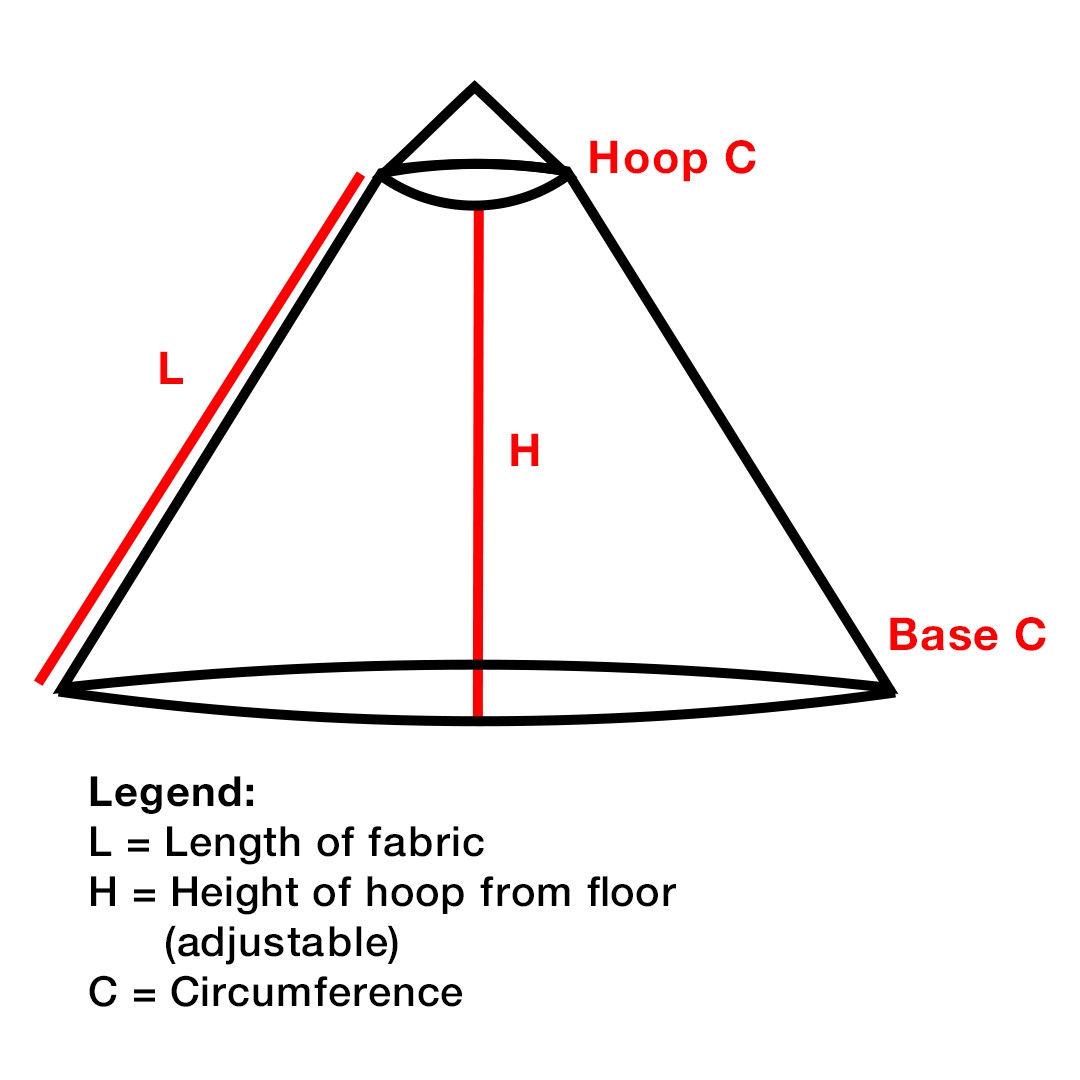
Design: Collapsible hoop, fits a standard suitcase, no ceiling drilling required, lift-to-enter (no side openings)
Conductive: NOT externally conductive — not groundable
Sizes: Queen/King only (one size)
Price: From $2,990.00 AUD
The Travel Canopy solves the single biggest barrier for Australian renters: you cannot drill into the ceiling of a property you do not own. Under QLD, NSW, and Victorian residential tenancy legislation, ceiling mounting hardware constitutes a modification requiring landlord consent — and many landlords say no. The Travel Canopy uses a collapsible hoop that sits on the bed frame or floor, supporting the canopy without any ceiling attachment. Lift the edge to enter and exit. No side openings, which means complete fabric enclosure around the sleep zone.
The fabric is identical to the permanent Naturell — same Swiss-manufactured 82% cotton, 18% copper/silver blend, same 40 dB / 99.99% attenuation at 1 GHz, same OEKO-Tex certification. You are paying $2,990 for the permanent Naturell’s shielding performance in a portable, no-installation format. The collapsible hoop packs into a standard suitcase, making it genuinely usable for hotel rooms, Airbnbs, and travel — anywhere you cannot control the RF environment and cannot modify the structure.
The honest trade-off: At $2,990, the Travel Canopy costs $600 more than the permanent Naturell ($2,390) despite using the same fabric. You are paying that premium for the collapsible hoop engineering, portability, and the no-drill design. It is available in Queen/King only (one size) — if you need a Single or Double, this option does not exist for you, and the Silver Cotton with its included collapsible hoop and ceiling hook ($990) is the renter-friendly alternative at a lower dB rating. Also note the lift-to-enter design: unlike canopies with a side opening, you physically lift the canopy edge each time you get in and out of bed. For anyone with limited mobility, this may present a practical challenge worth considering.
Full Comparison Table
| Feature | Silver Cotton | Naturell | Ventus | Travel (Naturell) |
|---|---|---|---|---|
| dB at 1 GHz | 33 dB | 40 dB | 47 dB | 40 dB |
| % Attenuation at 1 GHz | 99.95% | 99.99% | 99.995% | 99.99% |
| % Attenuation at 10 GHz | 99.7% | 99% | 99% | 99% |
| Material | 82% cotton, 18% silver thread | 82% cotton, 18% copper/silver | 78% cotton, 20.5% copper, 1.5% silver | 82% cotton, 18% copper/silver |
| OEKO-Tex Certified | Yes (Standard 100) | Yes | Yes | Yes |
| Groundable | No | No | No | No |
| Manufacture | Unspecified | Switzerland | Switzerland | Switzerland |
| Ceiling Drilling | Yes (hook supplied) | Yes (hardware NOT supplied) | Yes (hardware NOT supplied) | No — collapsible hoop |
| Sizes Available | Single/Double, Queen/King | Single, Double, Queen, King-Slim, King-Wide | Single, Double, Queen, King-Slim, King-Wide | Queen/King only (one size) |
| Price From (AUD) | $990 | $2,390 | $2,990 | $2,990 |
| Best For | Budget / entry-level shielding | Best shielding per dollar (homeowners) | Maximum shielding, high-exposure environments | Renters, travellers, no-drill |
Installation Guide: What Each Canopy Requires
Silver Cotton — Simplest Installation
The Silver Cotton ships with everything you need: canopy with collapsible hoop, one ceiling hook, one spring toggle ceiling hook, a 3-metre hanging cord, and a storage bag. Installation is straightforward: mark ceiling position above the centre of your bed, drill a pilot hole, screw in the ceiling hook (use the spring toggle if your ceiling is plasterboard/gyprock without a joist directly above), thread the hanging cord through the hoop ring, and adjust height so the canopy drapes to the floor on all sides. You want the fabric touching or nearly touching the floor around the entire perimeter — any gap is a path for RF to enter.
Total installation time: approximately 30-45 minutes for one person. You need a step ladder, a drill with a 3mm bit, and a pencil. No sourcing of additional hardware required.
Swiss Shield Naturell and Ventus — Permanent Installation
The permanent Swiss Shield canopies require more preparation because they do not ship with mounting hardware or support dowels. You need three hardwood dowels (maximum 5cm diameter, length determined by your canopy size) to thread through the top channels of the canopy fabric, forming a rectangular frame that suspends from the ceiling. Source these from a timber yard, Bunnings, or a hardware store — look for straight, kiln-dried hardwood dowels in the correct diameter.
Ceiling mounting requires at least four anchor points (one at each corner of the dowel frame) rated for the combined weight of dowels and fabric. If you are mounting into plasterboard/gyprock (standard in most Australian homes built after 1960), use heavy-duty spring toggles or locate ceiling joists with a stud finder and screw directly into the timber. Chains or braided cord from each anchor point to the dowel ends allow height adjustment.
Budget an additional $30-$80 for dowels and mounting hardware, depending on what you already have. Installation time: 1-2 hours for two people, or 2-3 hours solo. If you are not confident with overhead installation, a local handyperson can complete this for $100-$200 including materials.
Swiss Shield Travel — No Installation
The Travel Canopy requires zero installation. The collapsible hoop sits on the bed surface or floor and supports the canopy fabric around and above the sleep zone. Lift the edge to enter and exit. Set-up time is under 5 minutes. When not in use or when travelling, the hoop collapses and the entire assembly fits into a standard suitcase. This is the only option in this roundup that a renter can use without any modification to the property and without any tools.
Caring for EMF Shielding Fabric
Shielding fabric is not like regular bedding. The metallic threads that provide RF attenuation are delicate — aggressive washing, bleach, or high heat will degrade their conductivity and reduce shielding effectiveness over time. All four canopies in this roundup share similar care requirements, but the Silver Cotton has the most specific instructions from SaferEMF.
Silver Cotton care: Gentle handwash at 30°C maximum. Use TEXCARE detergents only (specifically formulated for shielding fabrics — standard detergents contain surfactants and optical brighteners that coat metallic threads). No bleach. No chemical dry-cleaning. No steam ironing. Air dry flat or on a line in shade.
Swiss Shield care: Swiss Shield fabrics are designed for wash durability and can handle gentle machine wash at 30°C using a dedicated shielding fabric detergent (TEXCARE or similar). Swiss Shield specifies their fabrics retain shielding performance through multiple wash cycles when washed correctly. No tumble drying. No bleach. No fabric softener. Air dry.
In practical terms: wash your canopy as infrequently as possible. Unlike bedsheets, a canopy does not contact your body directly (it hangs above and around the bed). Dust it with a lint roller or damp cloth between washes. In Australian conditions — especially in humid climates like Brisbane, Cairns, or coastal NSW — check for mould periodically, particularly where the canopy fabric pools on the floor. Good bedroom ventilation helps. If you run a HEPA air purifier in the bedroom (recommended for Brisbane and Sydney households during mould and smoke seasons), airflow through the canopy’s natural drape gaps keeps moisture from accumulating on the fabric.
A Note on Grounding: What These Canopies Cannot Do
A previous version of this article claimed the Silver Cotton canopy was “groundable” and included instructions for connecting a grounding cord to a modified Australian power plug. That information was wrong. I have corrected it.
None of the four canopies in this roundup are groundable. Swiss Shield’s own technical specifications explicitly state that conductive threads are insulated with no exposed metal — the fabric is not externally conductive. The Silver Cotton product page on SaferEMF makes no mention of grounding capability. Without exposed, electrically continuous metallic surface connected to earth, a fabric cannot be grounded.
Why does grounding matter? In Building Biology practice, a grounded metallic canopy serves a dual purpose: it attenuates external RF (which all four canopies here do), and it also shunts AC electric fields from bedroom wiring to earth (which none of these canopies can do). AC electric fields are the 50 Hz fields generated by the wiring in your bedroom walls, ceiling, and floor — even when no appliances are switched on. The Building Biology SBM-2015 guideline for AC electric fields in sleeping areas is below 5 V/m.
If AC electric field reduction is part of your sleep-zone strategy, the correct solution is a demand switch (also called an automatic freischalter or circuit cut-off switch). A licensed electrician installs it on your bedroom circuit for approximately $100-$150. When no loads are drawing power on that circuit (lights off, nothing plugged in), the demand switch cuts the circuit voltage, eliminating AC electric fields from the wiring entirely. This is a permanent, code-compliant solution that addresses a problem no canopy in this roundup can solve. For more on bedroom EMF reduction strategy, see our complete EMF guide for Australian homes.
Decision Tree: Which Canopy Should You Buy?
Three questions. That is all you need.
1. What is your budget?
Under $1,500 → Silver Cotton ($990) — the only option. 33 dB / 99.95% at 1 GHz. Sufficient for most Australian suburban bedrooms with moderate external RF.
$2,000-$2,500 → Naturell ($2,390) — best shielding per dollar. 40 dB / 99.99% at 1 GHz.
$2,500+ → Choice between Naturell ($2,390), Ventus ($2,990), or Travel ($2,990) based on questions 2 and 3.
2. Can you drill into your ceiling?
Yes (homeowner or landlord consent) → Silver Cotton, Naturell, or Ventus (permanent installation).
No (renter, no landlord consent) → Travel Canopy ($2,990) if budget allows. Silver Cotton ($990) as the lower-cost alternative — it includes a collapsible hoop and ceiling hook, but the hook still requires one small hole.
3. How high is your measured RF exposure?
Moderate (10-100 µW/m², typical suburban) → Silver Cotton or Naturell. Both will bring you below Building Biology thresholds.
High (100-1,000+ µW/m², apartment near small cell or smart meter bank) → Naturell or Ventus. The extra dB provides a meaningful larger margin. Ventus (47 dB) for the absolute strongest protection.
Final Verdict
An EMF bed canopy is a serious purchase — $990 to $2,990 is real money, and it only works if you have followed the correct sequence: measure, remove internal sources, then shield external residual. If you skip those steps, you risk spending thousands on a product that makes your sleep zone worse.
For buyers who have done the work and confirmed external RF is their remaining problem, here is where each canopy fits:
The SaferEMF Silver Cotton ($990) is the right choice for most Australian buyers. At 33 dB / 99.95%, it provides genuine, measurable RF reduction sufficient for typical suburban bedrooms. It includes all mounting hardware, weighs 1,500g, and costs less than half the price of any Swiss Shield option. The Pre-Order status is a minor inconvenience (expect 10 days), not a dealbreaker.
The Swiss Shield Naturell ($2,390) is the best overall for homeowners who want the strongest shielding-per-dollar, Swiss manufacturing provenance, and proven long-term wash durability. At 40 dB / 99.99%, it provides 5x the power reduction of the Silver Cotton. Source dowels and mounting hardware locally.
The Swiss Shield Ventus ($2,990) is the strongest fabric-based canopy available in Australia. At 47 dB / 99.995%, it is the pick for high-exposure environments or buyers who want the maximum margin of safety regardless of cost.
The Swiss Shield Travel ($2,990) solves the renter problem with no drilling, collapsible portability, and the same 40 dB Naturell fabric. It is the most expensive per-dB, but it is the only option for renters who need Swiss Shield-grade shielding without modifying the property.
Whichever you choose, measure before and after installation with a calibrated RF meter. The canopy works or it does not — and the meter tells you which. That is the whole point of an evidence-based approach.
What to do about your indoor air.
Our indoor air quality guide covers the hierarchy of fixes — from free (ventilation) to practical (air purifiers) — ranked by impact and cost for Australian homes.
Air Quality Guide →Start with measurement. Without a meter, every canopy decision is a guess.
The TriField TF2 measures AC magnetic, AC electric, and RF in one device. The Safe and Sound Pro II is the dedicated RF meter with audio readout for pinpointing sources. Buy a meter before you buy a canopy.
Last reviewed: August 2026 — Clean and Native
Frequently Asked Questions
Do EMF bed canopies actually work?
Yes — a fabric-based canopy with metallic threads creates a partial Faraday enclosure that attenuates external RF by the dB rating of the fabric. The Silver Cotton blocks 99.95% of RF at 1 GHz (33 dB), the Swiss Shield Naturell blocks 99.99% (40 dB), and the Ventus blocks 99.995% (47 dB). This is measurable with an RF meter before and after installation. The critical requirement is that RF sources must be outside the canopy — internal sources are reflected and concentrated, increasing exposure.
Can I ground an EMF bed canopy to reduce electric fields?
None of the four canopies reviewed here are groundable. Swiss Shield fabrics use insulated conductive threads with no exposed metal — they are not externally conductive. To reduce AC electric fields from bedroom wiring, install a demand switch on your bedroom circuit (~$100-$150, fitted by a licensed electrician). This is a separate solution addressing a separate problem.
What is the cheapest effective EMF bed canopy in Australia?
The SaferEMF Silver Cotton at $990 AUD is the most affordable canopy with verified shielding specifications (33 dB / 99.95% at 1 GHz). It is available through SaferEMF Australia on Pre-Order with restocking expected within 10 days. There is no credible canopy below this price point with independently specified attenuation figures.
What is the difference between Swiss Shield Naturell and Ventus?
The Ventus has higher shielding: 47 dB / 99.995% at 1 GHz versus the Naturell’s 40 dB / 99.99%. The Ventus uses a different fabric composition (78% cotton, 20.5% copper, 1.5% silver) compared to the Naturell (82% cotton, 18% copper/silver). The Ventus costs $2,990 versus $2,390 for the Naturell. Both are manufactured in Switzerland, OEKO-Tex certified, and neither is groundable.
Do I need to measure EMF before buying a bed canopy?
Yes. Without baseline RF measurements at your pillow position, you cannot confirm whether a canopy is needed or verify it works after installation. A TriField TF2 (~$250-$300 on Amazon AU) or Safe and Sound Pro II (via SaferEMF AU) provides the readings you need. More importantly, if your primary RF source is inside the bedroom (phone, router, DECT cordless), a canopy will reflect that energy inward and increase your exposure. Measurement identifies the source direction before you spend $990-$2,990.
Can I use an EMF bed canopy in a rented property?
Yes. The Swiss Shield Travel Canopy ($2,990) uses a collapsible hoop that requires no ceiling drilling or property modification. It sits on the bed surface or floor and the fabric drapes from the hoop. The SaferEMF Silver Cotton ($990) includes a collapsible hoop but also requires one small ceiling hook for suspension — check your lease terms regarding small fixtures. The permanent Naturell and Ventus require ceiling-mounted dowels and are not suitable for rental properties without landlord consent.
How do I wash an EMF shielding canopy without damaging it?
Gentle handwash at 30°C maximum using TEXCARE detergent (formulated for shielding fabrics). No bleach, no fabric softener, no chemical dry-cleaning, no steam ironing, no tumble dryer. Air dry flat or on a line in shade. Standard laundry detergents contain surfactants and optical brighteners that coat metallic threads and degrade shielding performance over time. Wash infrequently — a canopy does not contact your skin like bedsheets.
Does an EMF bed canopy block 5G?
At sub-6 GHz 5G frequencies (3.5 GHz, used by Telstra, Optus, and TPG in Australian metro areas), these canopies provide strong attenuation — the dB ratings at 1 GHz are representative of performance across the 1-6 GHz range. At 10 GHz and above (relevant to mmWave 5G at 28 GHz), all four canopies drop to approximately 99-99.7% attenuation (20-25 dB), which is still meaningful but significantly less than their sub-6 GHz performance. For mmWave-specific shielding, metal mesh or solid shielding materials are more effective.
What is the Building Biology SBM-2015 threshold for RF in sleeping areas?
Building Biology SBM-2015 classifies RF exposure in sleeping areas as: no anomaly below 0.1 mW/m² (100 µW/m²), slight anomaly 0.1-10 mW/m², strong anomaly 10-1,000 mW/m², and extreme anomaly above 1,000 mW/m². For comparison, ARPANSA’s Australian RF exposure limit at 2.4 GHz is 10 W/m² (10,000,000 µW/m²) — a thermal safety limit, not a precautionary one. The Building Biology standard is approximately 100,000 times more conservative than ARPANSA’s limit.
Can I buy an EMF bed canopy on Amazon Australia?
As of August 2026, none of the four canopies reviewed here are reliably available on Amazon AU. Generic/unbranded canopy listings do appear on Amazon AU periodically, but they often lack verified shielding specifications, go in and out of stock unpredictably, and do not come with Australian-based support. All four canopies in this roundup are sourced through SaferEMF Australia (saferemf.com.au), which provides local customer support, verified specifications, and ships within Australia.
Get the Australian Home Environment Checklist
30 checks across water, air and EMF. Most of them free. Ranked by impact.
No spam. Unsubscribe any time.

Former Royal Australian Navy Clearance Diver and TAG-E counter-terrorism operator. Founded Clean and Native to apply the same rigorous thinking to the home environment.
Full biography →