What’s Your Home EMF Risk Level? Free 5-Question Assessment
This 5-question assessment calculates your home’s EMF exposure profile and generates a personalised priority action plan based on your actual risk factors — not generic advice. You’ll discover which rooms need attention first, whether your Wi-Fi setup is creating avoidable exposure during sleep, and what equipment (if any) you actually need. The catches: this is a screening tool, not a substitute for professional measurement if you’re experiencing health symptoms or preparing for electrosensitive guests.
| Scenario | Typical Result | Verdict |
|---|---|---|
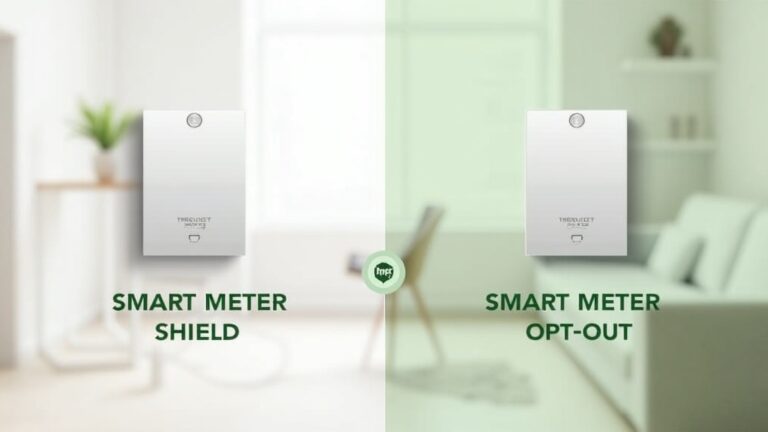
| Smart meter + router in bedroom | High-priority bedroom RF exposure | Immediate action needed |
| Router off at night, no smart meter | Moderate daytime-only exposure | Low-cost wins available |
| Minimal wireless, meter shielded | Baseline Australian home exposure | Monitoring recommended |
Answer 5 quick questions and we’ll calculate your home EMF exposure profile — then give you a personalised priority action plan based on what actually matters for your situation.
Does your home have a smart meter?
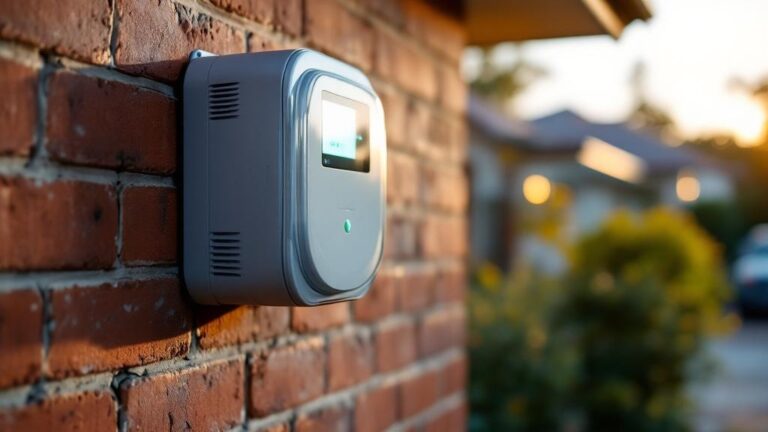
Smart meters transmit RF pulses continuously — proximity and install age both matter.
How close is your WiFi router to your bedroom?
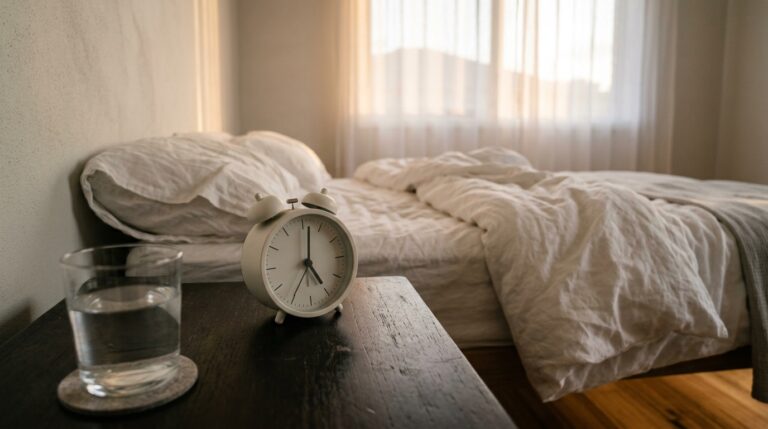
Your bedroom matters most — 8 hours of sleep is your highest-dose exposure window.
How many wireless devices are typically active in your home?
Each device adds to the RF background — phones, tablets, smart speakers, mesh nodes, smart TVs.
Do you or anyone in your home experience sleep disruption, headaches, or persistent fatigue without an obvious cause?
We’re not suggesting EMF is the cause — but it’s a factor worth ruling out when other causes have been excluded.
Does your household include a baby, child under 12, pregnant person, or someone with a chronic health condition?
Developing nervous systems and immune-compromised individuals are the groups most cited in precautionary guidelines (ARPANSA, WHO).
Your home EMF assessment
Want to go deeper?
The three products we own are measured first-hand by Jayce Love, former Royal Australian Navy Clearance Diver; every other product is assessed on published manufacturer specifications and independent certification using our documented methodology — no gifted units, no brand payments.
The complete Australian home EMF guide
Room-by-room audit, what ARPANSA actually says, how to interpret TF2 readings, and which sources contribute most to your total exposure load.
Read the complete guide →Measure First. Act Second.
The TriField TF2 measures AC magnetic, AC electric, and RF fields in one meter. Without real readings, every EMF decision is a guess. Every room audit starts here.
Frequently Asked Questions
How do I know if my home has high EMF levels?
You need measurements, not guesswork. A basic EMF meter like the TriField TF2 reads electric fields, magnetic fields, and RF radiation separately. Key indicators of elevated exposure: living within 300m of power lines, having a smart meter on a bedroom wall, using Wi-Fi routers in sleeping areas, or working near multiple devices daily. An assessment like ours identifies your highest-risk factors so you can prioritize fixes based on actual exposure patterns.
What EMF level is considered safe in a home?
The Building Biology guidelines suggest sleeping areas stay below 1 mG for magnetic fields and below 10 µW/m² for radiofrequency. ARPANSA’s reference level for general public RF exposure is much higher at 2 W/m² (for certain frequencies). The gap between these standards is significant. A precautionary approach targets the lower Building Biology ranges, especially in bedrooms where you spend 6 to 8 hours with prolonged exposure.
Is sleeping near a Wi-Fi router bad for you?
RF exposure drops sharply with distance. At 1 metre from a typical router, RF power density might measure 10 to 50 µW/m². At 5 metres, it drops significantly. Sleeping within 1 to 2 metres of a router means hours of sustained close-range exposure. Simple fix: move the router to a non-sleeping area or put it on a timer that kills the signal overnight. No cost, measurable reduction in nighttime RF exposure.
What’s the difference between ELF and RF EMF exposure?
ELF (extremely low frequency) comes from electrical wiring, appliances, and power lines. It ranges from 3 to 300 Hz. RF (radiofrequency) comes from wireless devices like routers, phones, smart meters, and cell towers. It ranges from 3 MHz to 300 GHz. Different sources, different measurement units, different shielding strategies. A proper home assessment evaluates both because most homes have a combination of ELF and RF sources creating your total exposure profile.
Do smart meters increase EMF exposure in homes?
Smart meters transmit RF pulses throughout the day, typically in short bursts. Measured RF at 1 metre from a smart meter can range from 5 to 200 µW/m² depending on the model and transmission frequency. The concern is proximity. If a smart meter sits on the other side of a bedroom wall, you get sustained overnight exposure. A shielding cover or requesting a non-transmitting meter from your distributor are two common Australian solutions.
Which rooms should I check for EMF first?
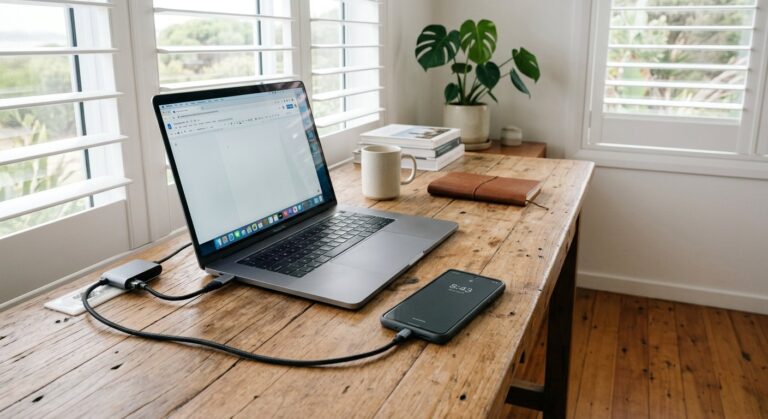
Start with bedrooms. You spend roughly a third of your life there, and prolonged exposure during sleep matters most. Check the bed position relative to the meter box, smart meter, and any wiring in the wall behind the headboard. Second priority is your home office or desk area where you sit for hours. Kitchens and living rooms rank lower because exposure is typically shorter. Focus on duration first, intensity second.
Get the Australian Home Environment Checklist
30 checks across water, air and EMF. Most of them free. Ranked by impact.
No spam. Unsubscribe any time.

Former Royal Australian Navy Clearance Diver and TAG-E counter-terrorism operator. Founded Clean and Native to apply the same rigorous thinking to the home environment.
Full biography →