Sunshine Coast Tap Water Quality 2026: What’s Actually In It?
Sunshine Coast tap water is safe to drink straight from the tap, with a TDS of 75 mg/L (excellent), soft hardness at 45 mg/L, neutral pH of 7.4, and no documented PFAS contamination. Unitywater’s supply meets all Australian Drinking Water Guidelines and rates among the cleanest municipal water in Queensland. The catches: free chlorine disinfection (0.5–1.0 mg/L) can affect taste for sensitive palates, and fluoride is added at 0.7 mg/L for dental health.
| Household Type | Primary Concern | Verdict |
|---|---|---|
| Drinking straight from tap | No major concerns, excellent baseline quality | Safe as-is |
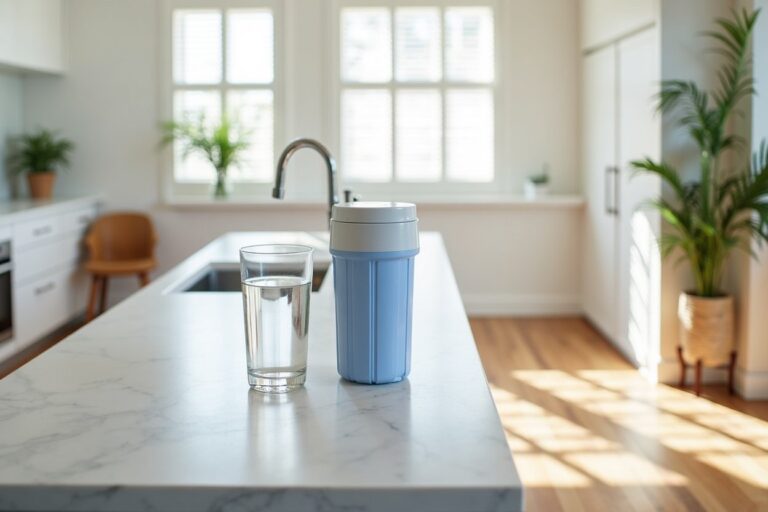
| Chlorine-sensitive palates | Taste improvement, minimal filtration needed | Benchtop carbon filter |
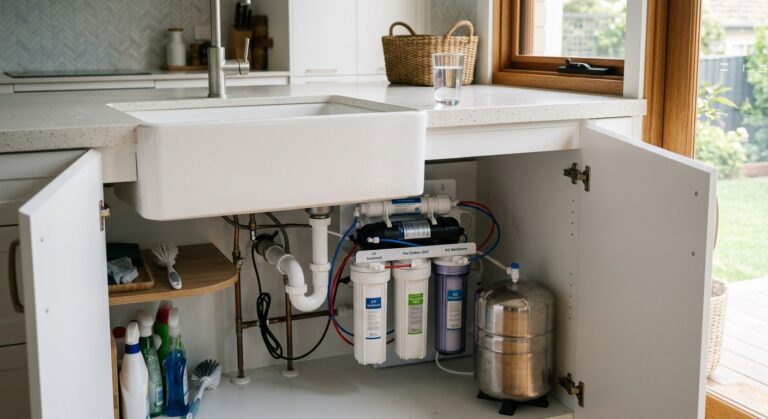
| Fluoride removal preference | Reverse osmosis required for fluoride reduction | Under-sink RO system |
Sunshine Coast water quality summary: Sunshine Coast tap water supplied by Unitywater is safe to drink and rates as excellent — with a TDS of 75 mg/L (far below the 300 mg/L taste threshold), a neutral pH of 7.4, soft hardness at 45 mg/L as CaCO3, and no documented PFAS contamination. The main consideration is free chlorine disinfection, which some residents prefer to filter for taste.
| Parameter | Level | Status |
|---|---|---|
| Fluoride | 0.7 mg/L | Within recommended range |
| Total Dissolved Solids (TDS) | 75 mg/L | Excellent (Low) |
| Hardness | 45 mg/L as CaCO3 | Soft |
| pH | 7.4 | Neutral |
| Disinfection | Free chlorine | Standard |
The short answer: Sunshine Coast tap water is safe to drink and of excellent quality. Supplied by Unitywater, your local water features very low mineral content (75 mg/L TDS) and is naturally soft with no documented PFAS concerns. The main consideration for residents is the free chlorine used for disinfection, which some may prefer to filter out for taste reasons. Here’s what’s actually in your water and whether filtration makes sense for your household.
Sunshine Coast Water Quality Data
Unitywater supplies Sunshine Coast residents with water that scores exceptionally well across all key metrics. With a TDS reading of just 75 mg/L, your water contains minimal dissolved minerals — well below the 300 mg/L threshold where taste becomes noticeable. The pH sits at a neutral 7.4, indicating balanced water that won’t cause corrosion issues in your plumbing.
Free chlorine disinfection keeps your water microbiologically safe from source to tap. While effective for public health, some residents notice the chlorine taste or smell, particularly in smaller dwellings where water turnover is lower. The fluoride level of 0.7 mg/L falls within Australia’s recommended range of 0.6-1.0 mg/L for dental health benefits.
Importantly, there are no documented PFAS (per- and poly-fluoroalkyl substances) concerns in Sunshine Coast water, unlike some other Australian regions where these “forever chemicals” have been detected near industrial sites or defence facilities.
What this data doesn’t cover: Unitywater’s quality data reflects treated water at the point of delivery from the reticulated network. It does not account for private rainwater tank water or bore water, which falls entirely outside Council treatment and testing. If your home relies on tank or bore water, independent testing through a NATA-accredited laboratory is the only way to verify what’s in it.
Is Sunshine Coast Water Hard or Soft?
Sunshine Coast water is soft, measuring just 45 mg/L as calcium carbonate. This is excellent news for residents, as soft water offers several practical benefits:
The three products we own are measured first-hand by Jayce Love, former Royal Australian Navy Clearance Diver; every other product is assessed on published manufacturer specifications and independent certification using our documented methodology — no gifted units, no brand payments.
- Appliances last longer: Your kettle, coffee machine, and hot water system won’t develop the mineral buildup (scale) that plagues areas with hard water
- Better soap performance: Soft water lathers more easily, meaning you’ll use less detergent for washing clothes and dishes
- Gentler on skin and hair: research shows soft water leaves their skin feeling less dry and hair more manageable
- Cost savings: Less descaling products needed, and appliances maintain efficiency longer
The only minor consideration with very soft water is that it can sometimes taste “flat” to people accustomed to the mineral content of harder water. The Unitywater Annual Drinking Water Quality Report consistently shows Sunshine Coast water meets all 2022 ADWG aesthetic guidelines, including taste threshold parameters.
Does Sunshine Coast Water Have Fluoride?
Yes, Sunshine Coast water contains 0.7 mg/L of fluoride, which sits comfortably within Australia’s recommended range of 0.6-1.0 mg/L. This level is specifically designed to provide dental health benefits while staying well below any safety concerns.
For context, the World Health Organization sets the fluoride safety limit at 1.5 mg/L, meaning Sunshine Coast water contains less than half this threshold. Australian health authorities have maintained water fluoridation programs for decades, with extensive research supporting the safety and effectiveness of these levels for preventing tooth decay.
Families with very young children (under 6 months) should still consult their healthcare provider about fluoride intake, as infant formulas may already contain appropriate levels.
Our Top-Rated Water Filters
Reverse osmosis is the only residential technology that reliably removes PFAS, fluoride, chloramine, and heavy metals — the four contaminants most Australians are most exposed to.
Should Sunshine Coast Residents Filter Their Water?
Based on the actual water quality data, filtration isn’t necessary for health or safety reasons in Sunshine Coast. Your tap water already meets all Australian drinking water guidelines with excellent TDS levels and no contamination concerns.
However, filtration might be worthwhile if you:
- Dislike the taste or smell of chlorine
- Want to remove fluoride for personal reasons
- Prefer the convenience of chilled, filtered water
- Want extra peace of mind during maintenance work on local water infrastructure
Given the already-low TDS levels, aggressive filtration like reverse osmosis would be overkill and might actually strip away the beneficial minerals your body needs. A simple carbon filter or gravity-fed system would address the most common preference issues.
Best Water Filters for Sunshine Coast Residents
Activated Carbon Jug Filter
Best for: Chlorine taste/odour removal, budget-conscious households
Price range: $30-60 AUD
Simple jug filters with activated carbon cartridges effectively remove chlorine while preserving the beneficial low-mineral profile of Sunshine Coast water. Look for Australian retailers like Amazon AU or Bunnings for replacement cartridge availability.
Gravity-Fed Stainless Steel System
Best for: Larger families, no ongoing electricity costs
Price range: $200-400 AUD
These countertop systems use gravity and high-quality carbon filters to remove chlorine, improve taste, and provide convenient access to filtered water without any modification to your plumbing.
Under-Sink Carbon Filter
Best for: Permanent solution, high daily usage
Price range: $150-350 AUD
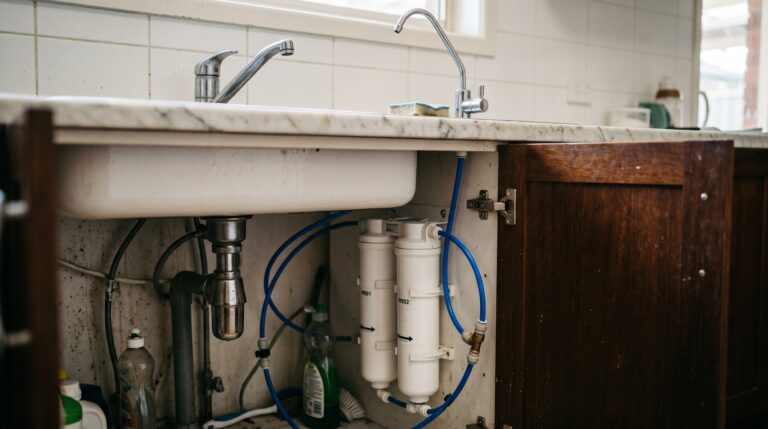
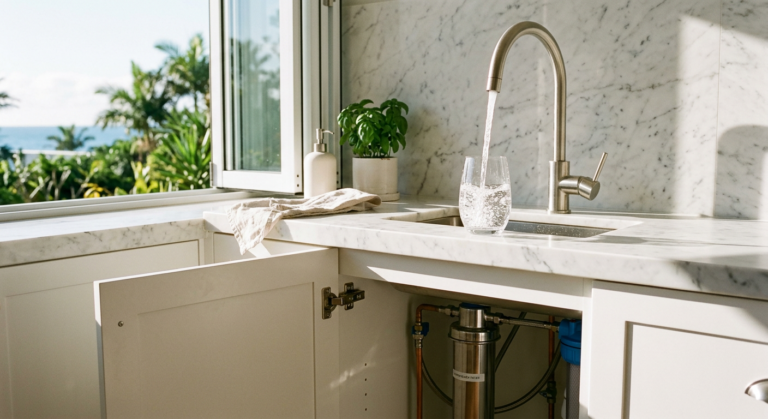
Professional installation provides filtered water on-demand from a separate tap. Given Sunshine Coast’s excellent baseline water quality, a single-stage carbon filter is sufficient — multi-stage systems designed for problematic water would be unnecessary.
Ready to filter your Sunshine Coast water? Check the best water filters for Queensland homes — we’ve tested options at every price point.
Frequently Asked Questions
Why does my Sunshine Coast tap water sometimes taste different?
Taste variations usually relate to chlorine levels, which can fluctuate slightly based on seasonal conditions, maintenance activities, or how long water sits in your home’s pipes. The underlying water quality remains consistent.
Is Sunshine Coast water safe for pregnant women and babies?
Yes, Sunshine Coast water meets all safety guidelines for pregnant women. For babies under 6 months, consult your healthcare provider about fluoride intake if using tap water for formula preparation, though the 0.7 mg/L level is within acceptable ranges.
Do I need to worry about PFAS in Sunshine Coast water?
No, there are no documented PFAS concerns in Sunshine Coast water supplies. Unitywater regularly monitors for these contaminants, and current testing shows no detection of PFAS compounds in your local water system.
Is Sunshine Coast tap water safe to drink in 2026?
Yes. Unitywater supplies water rated excellent across all key parameters: TDS 75 mg/L, pH 7.4, hardness 45 mg/L as CaCO3, and no documented PFAS contamination. Free chlorine disinfection meets all Australian Drinking Water Guidelines. The water is safe without filtration — most residents who filter do so for taste, not safety.
What is the TDS of Sunshine Coast tap water?
75 mg/L (Unitywater data) — well below the 300 mg/L taste threshold, classified as low mineral content. For reference, Jayce measured Palm Beach QLD mains supply at 69 ppm TDS; post-RO it drops to 3 ppm (95.7% reduction). Sunshine Coast’s TDS is already low, meaning RO is optional unless you want the purest possible water.
Is Sunshine Coast tap water hard or soft?
Soft. Hardness measures 45 mg/L as CaCO3 (Unitywater data) — well below the 200 mg/L soft water threshold per ADWG. Low hardness means minimal limescale in kettles and appliances, less soap residue, and no need for a water softener. Sunshine Coast is one of the better Australian supplies for appliance longevity.
Does Sunshine Coast tap water contain fluoride?
Yes, at 0.7 mg/L — within the ADWG recommended range of 0.7–1.0 mg/L. If you prefer fluoride-free water, reverse osmosis removes it effectively. Activated carbon filters and gravity filters do not remove fluoride. A basic jug filter or benchtop carbon unit will not change fluoride levels.
Which water filter works best for Sunshine Coast residents?
For chlorine taste removal: an activated carbon benchtop or under-sink unit is sufficient. Sunshine Coast water does not use chloramine, so a standard NSF 42-rated carbon filter is effective. For the most thorough filtration including fluoride and any trace contaminants, reverse osmosis reduces TDS by over 95%. Gravity filters work well as a portable, no-plumbing option for renters.
Get the Australian Home Environment Checklist
30 checks across water, air and EMF. Most of them free. Ranked by impact.
No spam. Unsubscribe any time.

Former Royal Australian Navy Clearance Diver and TAG-E counter-terrorism operator. Founded Clean and Native to apply the same rigorous thinking to the home environment.
Full biography →