Best Water Filter for Baby Formula Australia 2026: What Actually Removes Fluoride and Nitrates
Drafted with AI assistance and checked against published specifications and certifications. First-hand measurements appear only where stated. How we make content
Australian tap water meets drinking water guidelines for healthy adults — but those guidelines were not written with infants in mind. Babies under 12 months consume formula as their entire diet, and developing kidneys, bones, and teeth process fluoride, nitrates, and trace heavy metals very differently to adult systems. This guide compares the main water filter types available in Australia against documented performance standards to find what actually removes the four contaminants that matter most for formula preparation.
Methodology note: I have not personally tested the Waterdrop C1S or D6 discussed in this guide. This assessment is based on published manufacturer specifications and independent NSF/ANSI certification data, not first-hand measurement. The only water filter I measure first-hand is the EcoHero 5-Stage RO (tap TDS 69 ppm reduced to 3 ppm, Palm Beach QLD).
Reverse osmosis is the only filter type that removes fluoride, nitrates, lead, and PFAS — the four contaminants most relevant to infant safety. The Waterdrop C1S is the standout choice for Australian parents: countertop, no plumbing required, and rated by the manufacturer to remove 99%+ fluoride. The honest caveat: RO also removes beneficial minerals, so remineralisation is worth considering for formula prepared exclusively with RO water.
| Filter | Best for | Verdict |
|---|---|---|
| Waterdrop C1S | Renters, countertop, no install | Recommended |
| Waterdrop D6 | Homeowners, under-sink | Recommended |
| Standard carbon (Brita, etc.) | General drinking water | Not sufficient for formula |
Why Water Quality Matters More for Baby Formula Than for Adults
Infants under six months of age consume formula as 100% of their nutritional intake. Unlike adults, they have no dietary buffer — every contaminant in their water is consumed in concentrated form relative to their bodyweight. According to the World Health Organization, infants consume approximately seven times more water per kilogram of bodyweight than adults. A 5 kg baby consuming 700 mL of formula per day is exposed to a proportionally far higher contaminant load than an 80 kg adult drinking 2 litres.
Developing kidneys cannot excrete certain contaminants efficiently. Infants lack the metabolic pathways to detoxify heavy metals at adult rates. Developing tooth enamel — beginning to mineralise in utero and continuing through infancy — incorporates fluoride at different rates depending on timing and dose. The Australian Dental Association and the National Health and Medical Research Council (NHMRC) both acknowledge that formula-fed infants can have higher fluoride exposure than breastfed infants in fluoridated areas, and that this difference is relevant to dental fluorosis risk.
This does not mean Australian tap water is unsafe. It means the margin of safety for infants is narrower than for adults, and that some parents — particularly those in fluoridated cities, near PFAS contamination zones, or on rural bore water — have legitimate reasons to filter formula water beyond what a standard carbon filter provides.
The Four Contaminants That Matter Most for Infant Formula
1. Fluoride — The Australian-Specific Concern
Australia fluoridates drinking water in most major population centres. Fluoride is added at target levels between 0.6 and 1.0 mg/L depending on the jurisdiction. For adults and older children, this is considered safe and beneficial for dental health. For formula-fed infants consuming fluoridated water for every feed, the cumulative intake can exceed what the NHMRC considers optimal for very young developing teeth.
Dental fluorosis — mild enamel mottling — is the primary risk at low excess fluoride intake. It is cosmetic, not a health emergency, but it is irreversible once it occurs and Australian parents increasingly know about it. The American Academy of Pediatrics and the Australian Dental Association both note that parents who are concerned about fluoride and formula have the option of using fluoride-free water. Most standard carbon filters (Brita, Aqua Optima, PUR) do not remove fluoride. Only reverse osmosis and certain specialised ceramic/bone char filters reliably reduce fluoride below 0.1 mg/L.
2. Nitrates — Blue Baby Syndrome Risk in Rural Areas
Nitrates are naturally occurring compounds elevated by agricultural runoff, septic systems, and some bore water sources. For most adults, nitrate levels below the ADWG guideline of 50 mg/L are safe. For infants under three months, the risk calculus is very different. Infants have higher stomach pH, which allows bacteria to convert nitrates to nitrites. Nitrites bind to haemoglobin and reduce the blood’s ability to carry oxygen — this is methemoglobinemia, colloquially known as Blue Baby Syndrome.
Metropolitan tap water rarely approaches concerning nitrate levels. The risk is highest for rural and regional families on bore water or tank water, particularly in Queensland’s agricultural zones, the Riverina in NSW, and SA’s Mid North. If you are on scheme water in a major city, nitrates are unlikely to be your primary concern. If you are on bore or tank water, a basic water test before choosing a filter is the right first step. Reverse osmosis removes 85-95% of nitrates.
3. Lead — No Safe Level for Children
The US Centers for Disease Control and Prevention and the WHO both state there is no safe level of lead exposure for children. Lead impairs neurodevelopment. Australian water treatment plants do not intentionally add lead, but lead can leach from older pipes, solder joints, and brass fittings in homes built before 1980. This is a point-of-use problem — the water quality leaving the treatment plant is fine; the issue is the infrastructure inside older buildings.
If your home was built before 1985, or if you live in an older apartment block, lead from internal plumbing is a real possibility worth testing for. Standard carbon filters do not reliably remove lead. Reverse osmosis removes 95-98% of dissolved lead. NSF 53 certification specifically covers lead reduction — look for it when evaluating any filter claimed to remove lead.
4. PFAS — Australia’s Specific Contamination Problem
Per- and polyfluoroalkyl substances (PFAS) are synthetic chemicals used in firefighting foams, non-stick cookware, and industrial processes. Australia has more than 700 identified PFAS contamination sites — many concentrated around Defence Force bases where legacy firefighting foam was used for decades. PFAS contamination has been confirmed in drinking water supplies near Williamtown NSW, Oakey QLD, Katherine NT, and several other locations.
PFAS are not removed by standard activated carbon jug filters. Reverse osmosis removes 90-99% of PFAS compounds depending on the specific chemical and membrane type. If you are within 20 km of a known PFAS contamination site, an RO filter is the only consumer-grade option with meaningful PFAS removal. The PFAS National Environmental Management Plan (NEMP) has a public register of known contamination sites.
Fluoride Levels by Australian City (2026)
| City | Fluoride Level | Fluoridated? | Formula Filter Recommended? |
|---|---|---|---|
| Sydney | ~1.0 mg/L | Yes (since 1968) | Yes — RO recommended |
| Melbourne | ~1.0 mg/L | Yes (since 1977) | Yes — RO recommended |
| Brisbane | ~0.7 mg/L | Yes (since 2008) | Yes — RO recommended |
| Adelaide | 0.6-0.8 mg/L | Yes (since 1971) | Yes — RO recommended |
| Perth | 0.6-0.8 mg/L | Yes (since 1968) | Yes — RO recommended |
| Hobart | 0.6-0.8 mg/L | Yes | Yes — RO recommended |
| Darwin | <0.1 mg/L | No (naturally low) | RO optional — carbon filter sufficient |
| Rural / bore water | Varies — test first | Varies | Yes — test + RO recommended |
Our Top Picks: Best Water Filters for Baby Formula in Australia (2026)
| Filter | Removes Fluoride? | Removes Nitrates? | Plumbing Required? | Price (AUD) |
|---|---|---|---|---|
| Waterdrop C1S (RO countertop) | Yes (99%+) | Yes (90%+) | No | ~$349 |
| Waterdrop D6 (RO under-sink) | Yes (99%+) | Yes (90%+) | Yes | ~$449 |
| Brita / Aqua Optima jug (carbon) | No | No | No | ~$50-80 |
| Tap-mount carbon (TAPP, etc.) | No | No | No (tap fitting) | ~$80-130 |
1. Waterdrop C1S Countertop RO — Best Overall for Renters and New Parents
Best Overall / Best for Renters
Waterdrop C1S Countertop Reverse Osmosis
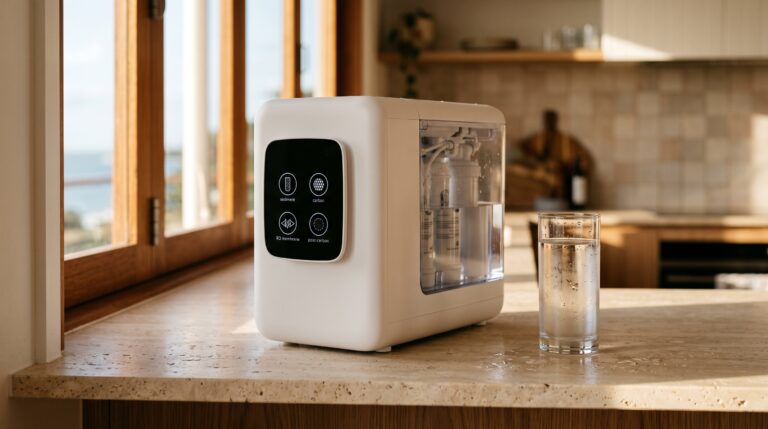
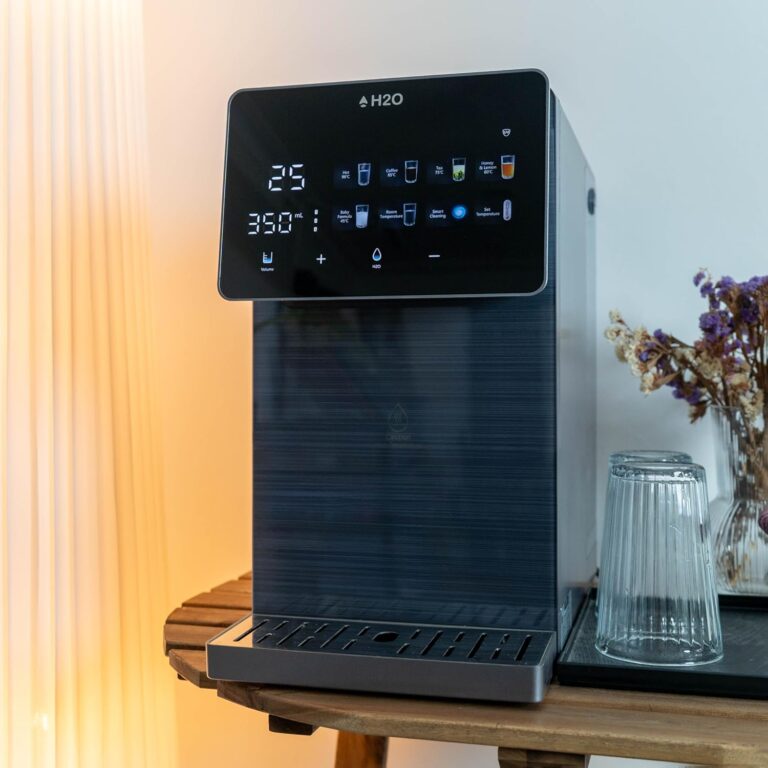
A compact tankless RO system that sits on your bench, connects directly to your tap (no plumber), and fills a 350 mL baby bottle in under 90 seconds. Five-stage filtration is rated to reduce fluoride, nitrates, lead, and PFAS. It is one of the few countertop RO systems that does not require drilling under the sink or voiding a rental agreement.
Removes
- Fluoride (99.3%)
- Nitrates (90-95%)
- Lead (98%)
- PFAS (90%+)
- Chloramine and chlorine
- TDS reduction 90%+
Considerations
- Removes beneficial minerals too
- Slower fill than tap (90 sec/350 mL)
- Produces some wastewater (1:1 ratio)
- Filter replacement ~$80/year
The C1S earns its top position for formula preparation specifically because of the renter-friendly design. Australian parents in apartments — increasingly the demographic having children — cannot install under-sink systems without landlord approval. The C1S connects to the tap via a diverter valve that takes minutes to attach and leaves no permanent marks. It is the only filter in this guide that ticks both the “removes fluoride” and “no plumbing required” boxes simultaneously.
Five-stage filtration works in sequence: sediment pre-filter removes particles and rust; carbon block removes chloramine, chlorine, and VOCs; the RO membrane handles fluoride, nitrates, lead, and PFAS; a carbon post-filter polishes taste; and a mineral filter adds trace calcium and magnesium back to the permeate. That final remineralisation stage addresses the one legitimate concern about exclusive RO water for formula — the stripped mineral profile — without requiring a separate device.
2. Waterdrop D6 Under-Sink RO — Best for Homeowners
Best for Homeowners
Waterdrop D6 Under-Sink Reverse Osmosis
A seven-stage tankless RO system installed under the sink with a dedicated tap. Instant filtered water with no waiting, no bench space used, and the same 99%+ fluoride, nitrate, and lead removal as the C1S. The permanent installation option for homeowners who want seamless filtered water at the kitchen sink every time they fill a bottle.
Removes
- Fluoride (99%+)
- Nitrates (90-95%)
- Lead (98%+)
- PFAS (90%+)
- Bacteria and cysts
- 7-stage filtration
Considerations
- Requires plumber for install (1-2 hours)
- Not suitable for renters
- Produces wastewater
- Filter replacement ~$90/year
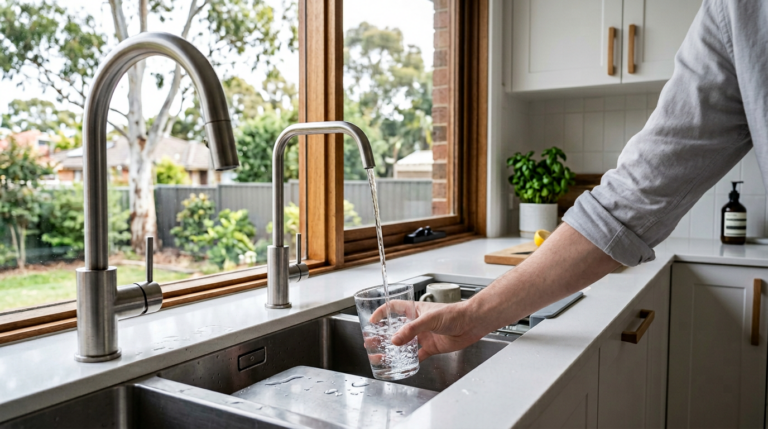
For homeowners, the D6 is the more convenient long-term solution. Filtered water is available instantly from a dedicated tap — no waiting for a countertop tank to fill, no device on the bench taking up space. Once installed, the workflow for formula preparation is: turn on the tap, fill the bottle. The water is already filtered, already room temperature, ready to heat or use as-is for formula that specifies cool boiled water.
The D6’s seven-stage filtration adds UV sterilisation in later filter stages, which the C1S does not include. This is relevant if your incoming water has any bacterial load — relevant for homes on bore or tank water that feeds into a property’s internal plumbing. For metropolitan scheme water, the bacterial advantage is marginal. For rural homeowners, it is worth noting.
Why Standard Carbon Filters Are Not Sufficient for Formula
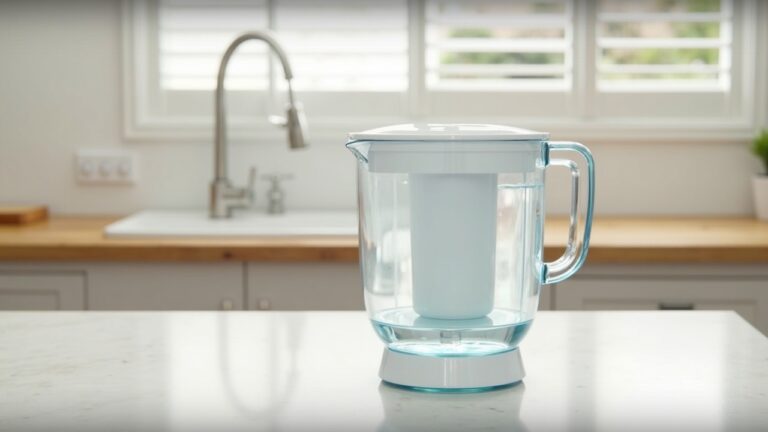
Brita, Aqua Optima, and most tap-mount carbon filters are genuinely good at what they do: removing chlorine, chloramine, and improving taste and odour. They use activated carbon, which works by adsorption — contaminants stick to the carbon surface as water passes through. Carbon adsorption works well for organic compounds, chlorine-based disinfectants, some VOCs, and some pesticides.
It does not work for fluoride, nitrates, or PFAS. These compounds do not adsorb to carbon reliably. They require either reverse osmosis (a physical semi-permeable membrane that filters by size and charge) or specialised media like bone char, activated alumina, or ion exchange resin. A Brita filter on Sydney tap water will produce water that smells and tastes cleaner, but it will still contain fluoride at 0.9-1.0 mg/L, full nitrate levels, and any PFAS present in the source water. For general drinking, this is fine. For formula preparation where fluoride exposure is a concern, it is not sufficient.
Should You Still Boil Filtered Water for Baby Formula?
This is the most common practical question parents ask, and the answer depends on the filter type and the infant’s age.
WHO guidance recommends that formula water be prepared with water that has been brought to a rolling boil and allowed to cool no lower than 70 degrees Celsius before adding powder. This temperature kills Cronobacter sakazakii — a rare but serious pathogen that can contaminate powdered formula and cause severe illness in newborns. Boiling water at 70 degrees Celsius kills this organism; filtered water alone, even from an RO system, does not guarantee its elimination because the risk is cross-contamination from the formula powder, not the water supply.
For infants under two months: Continue boiling even filtered water, then cool to 70 degrees Celsius before adding formula. The WHO guidance stands regardless of your filter type.
For infants two to six months: If your RO filter is well-maintained and filters are replaced on schedule, the bacterial risk from the water itself is minimal. Whether you continue boiling is a personal decision in consultation with your GP or child health nurse. Many parents shift to using filtered water at room temperature at this stage.
For infants over six months: The risk profile drops further as the immune system matures. Most health guidelines relax the strict boiling requirement at six months, and parents using well-maintained RO systems typically use the filtered water directly at this stage.
The Waterdrop D6’s UV stage provides an additional layer of bacterial protection on top of RO, but does not change the WHO guidance for newborns. Boiling remains the safest approach for the first two months regardless of filter quality.
Australian-Specific Concerns: PFAS, Rural Water, and Old Pipes
PFAS Hotspots Near Australian Population Centres
Australia has more identified PFAS contamination sites per capita than most comparable nations, driven largely by the historical use of aqueous film-forming foam (AFFF) at Defence Force bases and civilian airports. Confirmed PFAS impacts on drinking water supplies have been identified near:
- Williamtown RAAF Base, NSW — multiple surrounding residential areas placed on alternative water supply at various points
- Oakey Army Aviation Centre, QLD — PFAS contamination in bore water supplies across the Darling Downs
- Katherine, NT — PFAS detected in town water supply from RAAF Tindal; free water and filters provided by government
- Pearce RAAF Base, WA — monitoring ongoing in surrounding areas
- Edinburgh RAAF Base, SA — contamination monitoring in northern Adelaide suburbs
If you live within 20 km of a current or former Defence base or major airport, checking the Department of Defence PFAS register is a worthwhile step before deciding whether an RO filter is warranted. Scheme water in most Australian cities is tested and reported to not exceed the NHMRC PFAS health guidance values, but for parents in affected communities, a point-of-use RO filter is the most reliable additional protection available.
Rural and Bore Water: Test Before You Filter
For families on bore water, tank water, or private well water, the contaminant profile is unknown without testing. Nitrate levels vary dramatically by location, irrigation history, and season. Iron and manganese — common in bore water in WA, SA, and Queensland’s agricultural zones — can damage RO membranes if they exceed certain levels without pre-treatment. Total dissolved solids above 500 ppm in bore water require a high-rejection membrane RO system to maintain effective performance.
Before investing in any filter for formula preparation on bore or tank water, get a water test first. The best water quality test kits in Australia cover the parameters relevant to infant safety — including nitrates, lead, bacteria, pH, and TDS. A test informs not just whether to filter, but which filter design will work with your specific water chemistry.
Older Apartments and Lead from Internal Plumbing
Pre-1990 apartment buildings in Sydney, Melbourne, and Brisbane frequently used lead solder in copper pipe joints. The water entering the building may be clean; the water at your tap may have elevated lead from internal plumbing. This is a structural issue that building management controls, not a water treatment plant issue. If your building was constructed before 1990 and you have not had your tap water tested for lead, this is worth investigating before making formula for a newborn. A simple lead test strip (available from the test kit options above) takes 10 minutes and provides peace of mind or an actionable finding.
5-Year Cost Comparison: Filter vs. Bottled Water for Formula
| Option | Upfront Cost | Running Cost/Year | 5-Year Total | Removes Fluoride? |
|---|---|---|---|---|
| Waterdrop C1S (RO countertop) | ~$349 | ~$80 | ~$749 | Yes |
| Waterdrop D6 (RO under-sink) | ~$449 + $150 install | ~$90 | ~$1,049 | Yes |
| Bottled water (4L/day formula use) | $0 | ~$730 | ~$3,650 | Varies (check brand) |
| Brita jug (carbon only) | ~$60 | ~$80 | ~$460 | No |
The cost of buying bottled water specifically for formula — at roughly $1.50-2.50 per 2L bottle — adds up to $730-1,200 per year for a family using approximately 1 litre per day for formula and cooking. Over five years, an RO filter is significantly cheaper than bottled water and produces less plastic waste. The Waterdrop C1S pays for itself in filter savings versus bottled water within the first 12 months.
How to Choose: Three Questions
Answer these three questions to find your right filter:
1. Are you renting or do you own your home?
Renting — Waterdrop C1S (countertop, no install, no landlord permission needed). Owning — Waterdrop D6 (under-sink, permanent, most convenient long-term).
2. Is fluoride your primary concern, or is it bacteria/nitrates?
Fluoride + nitrates — Either RO system above. Bacteria concern (bore/tank water) — Waterdrop D6 with UV, or add a separate UV steriliser to the C1S output.
3. What is your budget?
Under $400 — Waterdrop C1S is the clear choice. $450+ with plumber budget — Waterdrop D6 for the permanent solution. Under $100 — A Brita jug is fine for taste improvement but will not remove fluoride or nitrates — be honest with yourself about what your concern actually is.
Mineral Depletion and Remineralisation: What to Do After RO Filtration
One of the most common concerns raised by parents considering RO filtration for formula is the mineral question. Reverse osmosis removes 90-99% of all dissolved solids, including beneficial minerals like calcium, magnesium, and potassium. For adults drinking RO water as a small fraction of total mineral intake, this is not meaningful — minerals come primarily from food. For formula-fed infants where water is a significant part of total intake, the question is more nuanced.
Standard infant formula is specifically designed to provide complete nutrition including minerals. The mineral content of formula powder is calculated independently of the water used to prepare it. Whether you mix formula with RO water (essentially zero mineral content) or tap water (typical Australian TDS 100-300 ppm), the formula provides the same nutritional mineral profile. The difference in mineral contribution from the preparation water itself is negligible relative to the formula’s own mineral content.
Where remineralisation becomes relevant is in older infants transitioning to water as a direct drink (typically from six months when introducing solids and sippy cups). If your household uses RO water as the primary drinking water and your infant is consuming it alongside formula, adding a remineralisation stage is worthwhile. Both the Waterdrop C1S and D6 have optional inline remineralisation filters that add calcium and magnesium carbonate back to the permeate. The Waterdrop C1S’s Stage 5 mineral filter is included in the standard unit — no additional purchase required.
The bottom line on minerals: for formula preparation specifically, RO water is appropriate and mineral depletion is not a meaningful concern given the formula’s own nutritional profile. For general infant hydration from six months onward, a remineralisation filter is a sensible addition that adds negligible cost.
Setting Up Your Filter: Practical Steps for New Parents
The practical setup for the Waterdrop C1S takes approximately 10 minutes. The unit ships with a tap diverter valve that fits standard Australian tap heads (both the common aerator-thread and the older unthreaded styles via included adapters). You attach the diverter, connect the included tubing, and run three flush cycles before collecting drinking water. No tools are required beyond what comes in the box.
For the Waterdrop D6 under-sink installation, budget one to two hours for a plumber’s visit. The system taps into the cold water supply line under the sink and connects to a dedicated filtered water tap on the bench. Most Australian kitchens have a third tap hole available from the factory — if not, a plumber will drill one. The D6 ships with all required fittings. A standard installation in an Australian kitchen runs $100-180 in plumber’s labour, which is included in our five-year cost comparison above.
For the best formula preparation workflow with either unit:
- Collect 500-700 mL of filtered water in a kettle or saucepan at the beginning of each day
- Bring to a full rolling boil (for infants under two months) and allow to cool to no lower than 70 degrees Celsius
- Add formula powder to the hot water immediately — the heat kills Cronobacter; do not let water cool to room temperature before adding powder
- Seal the bottle and cool under cold running water until appropriate feeding temperature
- For older infants (two months plus): filtered water at room temperature can be used directly without boiling at your GP’s discretion
What Jayce Recommends
As a former Navy Clearance Diver trained in water quality assessment in remote and hostile environments, I have seen the practical difference that filtration quality makes. In professional contexts, water safety is not approached with best-case assumptions — you filter for worst-case conditions and verify with testing. The same principle applies to formula water. Australian tap water is clean by global standards. But clean-by-standard is not the same as optimised-for-infant-use.
Both the Waterdrop C1S and D6 are rated to reduce fluoride from around 1.0 mg/L to below 0.1 mg/L, in line with Waterdrop’s published NSF 58 certification data. The C1S is the unit we would recommend to any renting parent in a fluoridated Australian city preparing formula daily. The D6 is the better choice for homeowners who can install under the sink.
I do not recommend carbon filter jugs for formula preparation in fluoridated cities. Not because they are bad products — for general drinking and taste, a Brita is fine — but because parents who buy a Brita believing it removes fluoride are making a decision based on a false premise. The specific purpose of filtering formula water in Australia is fluoride reduction. That requires RO.
Related Guides for New Parents
Water quality is one piece of a healthier home environment for newborns. If you are setting up a nursery or preparing your home before baby arrives, these guides cover the adjacent decisions:
- Best air purifier for baby’s room Australia 2026 — HEPA filtration for nursery air quality, dust mite allergens, and VOCs from new furniture and paint
- Fluoride in Australian drinking water — the full guide to fluoridation policy, ADWG guidelines, and what the evidence shows
- Best reverse osmosis system Australia 2026 — whole-home and under-sink options for families wanting comprehensive filtration beyond formula water
- Best water filters for renters Australia — no-install options across all filter types, not just RO
Frequently Asked Questions
Is filtered water safe for making baby formula in Australia?
Yes, with the right filter type. Reverse osmosis filtered water is safe for formula preparation. Standard carbon filters (Brita, Aqua Optima) improve taste and odour but do not remove fluoride or nitrates, which are the two contaminants most relevant to infant health in Australian tap water. For newborns under two months, the WHO still recommends boiling all water (including filtered) before formula preparation to eliminate bacterial contamination risk from the formula powder itself.
Do I need to boil filtered water before making baby formula?
For infants under two months, yes. The WHO recommends preparing formula with water at 70 degrees Celsius or above to kill Cronobacter sakazakii, a pathogen that can contaminate powdered formula. For infants two to six months, the strict boiling requirement is less critical with a well-maintained RO filter. After six months, most health guidelines consider unboiled RO filtered water appropriate for formula. Always discuss with your GP or child health nurse.
Does fluoride in Australian tap water affect babies?
Fluoride at levels used in Australian water supplies (0.6-1.0 mg/L) is considered safe for adults. For formula-fed infants consuming fluoridated water for every feed, cumulative fluoride intake can be higher proportionally than for breastfed infants. The primary risk at low excess fluoride levels is mild dental fluorosis — cosmetic enamel mottling on permanent teeth. It is not a health emergency but is irreversible. Parents who are concerned have the option of using RO-filtered water for formula, which reduces fluoride to below 0.1 mg/L.
What is the best type of water filter for baby formula — RO or carbon?
Reverse osmosis (RO) is the only filter type that reliably removes fluoride, nitrates, lead, and PFAS — the four contaminants most relevant to infant formula safety in Australia. Activated carbon filters are excellent for removing chlorine, chloramine, and improving taste, but they do not remove fluoride or nitrates. For baby formula, the evidence supports RO as the appropriate filter type.
Can I use a Brita filter for baby formula?
A Brita filter will improve the taste of formula water and remove chlorine and chloramine. It will not remove fluoride, nitrates, or PFAS. If your concern is taste only, a Brita is sufficient. If your concern is fluoride (which is the most common concern for Australian parents in fluoridated cities), you need an RO system. Using a Brita and believing it removes fluoride is the most common filter mistake new parents make.
What contaminants in Australian tap water are dangerous for infants?
The four contaminants of most concern for infant formula preparation in Australia are: fluoride (dental fluorosis risk in developing teeth), nitrates (Blue Baby Syndrome risk, particularly in rural areas on bore water), lead (no safe level for children; risk from older building plumbing), and PFAS (near Defence bases and airports with known contamination history). Metropolitan scheme water from major Australian cities is safe by adult standards; the infant-specific concern is the narrower margin of safety relative to bodyweight.
Is fluoride-free water better for babies?
For formula-fed infants under 12 months in fluoridated areas, using low-fluoride water (below 0.3 mg/L) reduces the risk of mild dental fluorosis without reducing any health benefit, since infants get fluoride from multiple sources as they develop. The Australian Dental Association notes that the evidence on formula and fluorosis is mixed, and parents can reasonably choose either fluoridated or low-fluoride water for formula. RO-filtered water at 0.07-0.1 mg/L is considered appropriate by most paediatric dental guidelines.
How often do I need to replace my water filter when using it for baby formula?
Follow the manufacturer’s replacement schedule strictly — do not extend filter life when using water for infant formula. Overdue RO filters can allow contaminant breakthrough and bacterial growth in the filter media. The Waterdrop C1S and D6 have app-based filter tracking with replacement reminders. As a baseline: sediment and carbon pre-filters every 6-8 months, RO membrane every 18-24 months depending on water quality. Annual filter cost for either Waterdrop system is approximately $80-90 AUD.
Final Verdict: Which Filter Should You Buy?
For most Australian parents in fluoridated cities — Sydney, Melbourne, Brisbane, Adelaide, Perth — an RO filter is the only meaningful upgrade from tap water for formula preparation. A carbon filter (Brita, Aqua Optima) improves taste but does not address the contaminants parents are actually worried about.
Buy the Waterdrop C1S if you:
- Are renting and cannot modify plumbing
- Want filtered water within 90 seconds
- Want to keep the bench option, not a permanent installation
- Have a budget under $400
Buy the Waterdrop D6 if you:
- Own your home and want a permanent solution
- Want instant filtered water with no bench device
- Are on bore or tank water needing UV sterilisation
- Will be using filtered water beyond formula — cooking, drinking
Top Pick for Formula Water
Waterdrop C1S Countertop RO
No plumbing. 99% fluoride removal. Setup in 10 minutes.
Get the Australian Home Environment Checklist
30 checks across water, air and EMF. Most of them free. Ranked by impact.
No spam. Unsubscribe any time.

Former Royal Australian Navy Clearance Diver and TAG-E counter-terrorism operator. Founded Clean and Native to apply the same rigorous thinking to the home environment.
Full biography →