Earthing for Autoimmune Disease Australia 2026
Earthing — also called grounding — shows preliminary evidence for reducing systemic inflammation markers associated with autoimmune disease, primarily through electron transfer that may lower reactive oxygen species (ROS) and improve autonomic nervous system balance. For the roughly 1 in 20 Australians living with an autoimmune condition, earthing is a complementary approach worth understanding, but it does not treat autoimmune disease and should never replace immunosuppressants, biologics, or medical supervision.
Earthing shows the strongest preliminary evidence for reducing chronic inflammation markers and improving sleep quality — two mechanisms directly relevant to autoimmune disease management. Published research from Chevalier, Sinatra, and Oschman demonstrates reduced blood viscosity, normalised cortisol patterns, and improved heart rate variability (HRV) in grounded subjects. However, no randomised controlled trial has yet studied earthing specifically in autoimmune populations. The studies are small (n=10 to n=60), and several share overlapping authors. This is promising pilot-level evidence, not clinical-grade proof. For autoimmune patients, overnight sheet grounding is the most practical and most studied method — used consistently for a minimum of 8 weeks before assessing benefit.
| Method | What It Does | Verdict for Autoimmune |
|---|---|---|
| Grounding sheet (overnight) | 8+ hours continuous electron transfer during sleep | Recommended — most studied, most practical |
| Barefoot earthing (outdoor) | Direct skin-to-earth electron transfer | Good supplement — lupus patients avoid high UV |
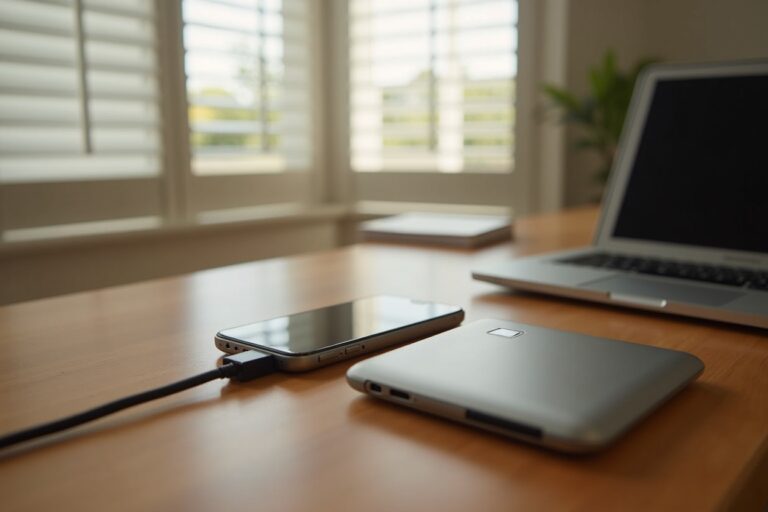
| Grounding mat (desk/floor) | Indoor daytime grounding via skin contact | Useful secondary — less studied than overnight |
Key catches
- No autoimmune-specific RCTs exist yet — evidence is extrapolated from inflammation and sleep studies
- Study sample sizes are small (10-60 participants) and several share the same author group
- Earthing does not replace immunosuppressants, biologics, or disease-modifying therapies
- Some users report 1-2 weeks of increased fatigue or body awareness during initial grounding
- Lupus patients with photosensitivity should prefer indoor grounding over outdoor barefoot exposure
What Autoimmune Disease Actually Involves — and Why Earthing Is Being Explored
Autoimmune disease is not a single condition. It is a category of more than 80 distinct diseases unified by a single mechanism: your immune system attacks your own tissue. Rheumatoid arthritis targets joint synovium. Lupus attacks connective tissue, kidneys, and skin. Multiple sclerosis degrades the myelin sheath around nerves. Crohn’s disease and ulcerative colitis inflame the gut lining. Psoriasis turns over skin cells at 10 times the normal rate.
What every one of these conditions shares is chronic systemic inflammation driven by elevated reactive oxygen species (ROS) and dysregulated immune signalling. According to the Australian Institute of Health and Welfare (AIHW), autoimmune conditions affect approximately 5% of the Australian population. That includes roughly 457,000 Australians with rheumatoid arthritis, around 20,000 with systemic lupus erythematosus, approximately 33,000 with multiple sclerosis — Australia has the highest MS rate in the Southern Hemisphere — and about 85,000 with inflammatory bowel disease (Crohn’s and ulcerative colitis combined).
Standard medical treatment involves immunosuppressants (methotrexate, azathioprine), biologics (adalimumab, rituximab), and corticosteroids for acute flares. These are effective and necessary. But they often do not fully resolve the fatigue, sleep disruption, and unpredictable flare patterns that define daily life with autoimmune disease. That gap is why many Australians are exploring complementary approaches — and why earthing research has attracted attention.
The hypothesis is simple: if autoimmune disease involves chronic inflammation, and if grounding reduces measurable inflammation markers, then earthing could potentially modulate the inflammatory environment that drives flares. The research is early-stage. But the mechanism is biologically plausible, and the risk profile of sleeping on a conductive sheet is negligible compared to the interventions autoimmune patients already tolerate. Let’s examine what the published evidence actually shows.
The Inflammation-Earthing Connection: What the Published Research Shows
If you have an autoimmune condition, you live with inflammation that standard blood tests can quantify — elevated CRP, ESR, pro-inflammatory cytokines. You know what inflammation does to your body. The question is whether direct electrical contact with the Earth’s surface — which carries a limitless supply of free electrons — can measurably shift those markers. Here is what the published research demonstrates.
Electron Transfer as an Antioxidant Mechanism
The foundational paper is Chevalier, Sinatra, Oschman, Sokal, and Sokal (2012), published in the Journal of Environmental and Public Health. The authors proposed that the Earth’s surface electrons function as a natural antioxidant supply. When skin contacts earth or a grounded conductive material, free electrons transfer into the body, where they neutralise reactive oxygen species (ROS) through the same electron-donation mechanism that dietary antioxidants use.
This matters for autoimmune disease because ROS overproduction is a consistent finding across RA, lupus, MS, and IBD. The immune system uses ROS as a signalling molecule during the inflammatory response — but in autoimmune conditions, that response is persistent and self-sustaining. Any intervention that reduces excess ROS without suppressing necessary immune function is worth investigating.
The electron transfer hypothesis has not been disproven. But it has also not been validated by large-scale RCTs. The mechanism is plausible and consistent with basic electrochemistry. The clinical significance at scale remains unquantified.
Blood Viscosity and Zeta Potential
Chevalier, Sinatra, Oschman, and Delgado (2013), published in the Journal of Alternative and Complementary Medicine, measured the zeta potential of red blood cells in 10 healthy subjects before and after 2 hours of grounding. Zeta potential is the electrical charge on the surface of red blood cells — higher zeta potential means cells repel each other more, reducing blood viscosity and the tendency to form rouleaux stacks.
After 2 hours of grounding, zeta potential increased by an average of 2.7 times, reducing blood viscosity significantly. This is relevant to autoimmune patients because elevated blood viscosity and increased RBC aggregation are consistent features of chronic inflammatory states — particularly in lupus and RA, where cardiovascular risk is already elevated 2-3 times above the general population.
The limitation: this was a 10-person study with no control group. The result is striking, but it needs replication in larger populations, including autoimmune cohorts.
Cortisol Normalisation
Ghaly and Teplitz (2004), published in the Journal of Alternative and Complementary Medicine, measured diurnal cortisol profiles in 12 subjects who slept grounded for 8 weeks. The result: cortisol secretion patterns normalised, with the nighttime nadir deepening and the morning peak becoming more defined. Subjects also reported improved sleep and reduced pain.
HPA axis dysregulation — where cortisol rhythms flatten or invert — is a documented feature of lupus (Rovensky et al., 2008), rheumatoid arthritis (Straub and Cutolo, 2001), and MS (Gold et al., 2005). A flattened cortisol curve correlates with worse fatigue, increased inflammation, and disrupted sleep. If earthing actually normalises cortisol rhythms, the downstream effects on autoimmune symptoms could be meaningful.
Heart Rate Variability (HRV) and Vagal Tone
Chevalier (2010), published in European Biology and Bioelectromagnetics, measured HRV in 28 subjects before, during, and after 40 minutes of grounding. Grounded subjects showed statistically significant increases in HRV parameters associated with parasympathetic (vagal) tone.
This finding is directly relevant to autoimmune disease. The vagus nerve is a key modulator of the inflammatory reflex — the mechanism by which the parasympathetic nervous system suppresses inflammatory cytokine production, including TNF-alpha and IL-6. Research from Tracey (2002) at the Feinstein Institute demonstrated that vagal nerve stimulation directly reduces systemic inflammation. If earthing improves vagal tone, it engages the same anti-inflammatory pathway that vagal nerve stimulation devices target — without surgery or implanted hardware.
Müller, Chevalier, and Lüscher (2019), published in Frontiers in Physiology, further demonstrated that grounded sleeping accelerated recovery markers and reduced systemic inflammation indicators in athletes. While athletes are not autoimmune patients, the mechanism — reduced systemic inflammation via sustained grounding — is the same pathway relevant to autoimmune management.
Specific Autoimmune Conditions: What Earthing May and May Not Address
Autoimmune disease is not monolithic. The inflammation is systemic, but the clinical presentation is condition-specific. Here is how earthing’s proposed mechanisms map to the four most common autoimmune conditions affecting Australians.
Rheumatoid Arthritis (RA) — ~457,000 Australians
RA involves chronic inflammation of the synovial membrane in joints, driven by TNF-alpha, IL-1, and IL-6. Morning stiffness, joint swelling, and fatigue are the daily reality. Sleep disruption affects 60-80% of RA patients according to Arthritis Research UK data, and poor sleep directly worsens inflammatory markers the following day — creating a vicious cycle.
Earthing’s potential relevance to RA is three-fold: (1) the vagal tone improvement documented by Chevalier (2010) engages the cholinergic anti-inflammatory pathway that suppresses TNF-alpha — the same cytokine targeted by adalimumab (Humira) and etanercept (Enbrel); (2) cortisol normalisation may help restore the natural anti-inflammatory cortisol peak that RA patients often lose; (3) improved sleep quality documented across grounding studies could interrupt the sleep-inflammation cycle.
What earthing cannot do for RA: it cannot halt joint erosion, replace DMARDs (disease-modifying antirheumatic drugs), or reverse structural damage. It is a potential adjunct to reduce the inflammatory burden — not a treatment.
Systemic Lupus Erythematosus (SLE) — ~20,000 Australians
Lupus involves autoantibody-driven inflammation affecting skin, kidneys, joints, and the cardiovascular system. Flares are unpredictable. Fatigue is debilitating. And there is a critical safety consideration for earthing: lupus patients frequently have photosensitivity. UV exposure triggers flares in 60-80% of SLE patients.
This means outdoor barefoot earthing during high-UV months is not appropriate for most lupus patients. In Australia, the UV index exceeds 3 (the threshold for skin damage) across most of the country from September to April according to ARPANSA and the Bureau of Meteorology. For Queensland, northern NSW, and NT residents, the UV index regularly exceeds 11 — extreme exposure.
Indoor grounding via a conductive sheet or mat eliminates this risk entirely while providing the same electron transfer mechanism. For lupus patients, overnight sheet grounding is not just the most convenient method — it is the safest. The cortisol normalisation and blood viscosity improvements documented in grounding studies are particularly relevant to lupus, where cardiovascular risk is elevated and HPA axis dysfunction contributes to flare severity.
Multiple Sclerosis (MS) — ~33,000 Australians
Australia has the highest rate of MS in the Southern Hemisphere, with an estimated prevalence of 131 per 100,000 according to MS Australia. The condition involves immune-mediated demyelination of central nervous system neurons. Fatigue — described as an “overwhelming exhaustion” distinct from normal tiredness — affects 75-95% of MS patients and is consistently rated as the most disabling symptom.
Earthing’s potential relevance to MS centres on two mechanisms: autonomic nervous system regulation and sleep quality improvement. MS patients show documented autonomic dysfunction, including reduced HRV and impaired parasympathetic tone (Flachenecker et al., 2001). If earthing improves vagal tone as Chevalier’s data suggests, it may support the same autonomic rebalancing that MS patients need.
The fatigue-sleep connection is critical. MS fatigue is partially inflammatory and partially neurological, but it is consistently worsened by poor sleep. The Ghaly and Teplitz (2004) cortisol normalisation data — where grounded sleepers reported improved sleep onset and sleep quality over 8 weeks — is directly applicable.
What earthing cannot do for MS: it cannot remyelinate nerves, slow disease progression, or replace disease-modifying therapies like ocrelizumab or natalizumab. It is a potential complement for symptom management.
Inflammatory Bowel Disease (Crohn’s and UC) — ~85,000 Australians
IBD involves chronic inflammation of the gastrointestinal tract — transmural in Crohn’s, mucosal in ulcerative colitis. The gut-brain axis is heavily implicated, with vagal tone directly affecting intestinal inflammation. Psychological stress is a documented trigger for IBD flares (Mawdsley and Rampton, 2005).
Earthing’s relevance to IBD is most plausible through the vagal anti-inflammatory pathway. The vagus nerve directly innervates the gut, and improved vagal tone reduces intestinal inflammatory cytokine production. The stress-cortisol-flare connection in IBD makes cortisol normalisation additionally relevant. However, IBD patients should understand that no earthing study has measured intestinal inflammation markers (faecal calprotectin, endoscopic mucosal healing). The evidence is mechanistic inference, not direct demonstration.
How to Use Earthing with Autoimmune Disease: Practical Protocol
If you are going to trial earthing alongside your existing autoimmune treatment, do it systematically. Not casually. The research protocols that produced positive results used consistent overnight grounding for extended periods — not occasional 20-minute barefoot sessions. Here is a practical framework based on the published study designs.
Method: Overnight Grounding Sheet
Every published grounding study that demonstrated cortisol normalisation and sleep improvement used overnight grounding — a conductive sheet or pad placed on the bed and connected to the earth pin of a standard Australian 3-pin power outlet (or to a dedicated ground rod). This delivers 7-9 hours of continuous electron transfer during the period when your body is doing its most intensive repair work.
For autoimmune patients, this method has a specific advantage: it requires no lifestyle change, no UV exposure, and no additional time commitment. You sleep as normal. The sheet does the work.
Duration: Minimum 8 Weeks Before Assessment
The Ghaly and Teplitz cortisol study ran for 8 weeks. That is the minimum trial duration that produced measurable cortisol curve changes. Autoimmune conditions operate on longer cycles than acute injuries — flare patterns can span weeks to months. Assessing benefit after one or two weeks is premature and unreliable. Commit to a minimum 8-week trial with nightly use before drawing any conclusions.
What to Track
Autoimmune patients should track the metrics that matter to their specific condition. Keep a simple daily log:
- Sleep quality: time to fall asleep, number of wake-ups, subjective rest rating (1-10)
- Morning stiffness duration (RA patients): how many minutes until joints loosen
- Fatigue severity (MS and lupus patients): use a consistent 1-10 scale
- Pain level: 1-10 scale, same time each day
- Flare frequency: note any flare onset and duration
After 8 weeks, review the trend. Do not expect dramatic overnight changes. The research suggests gradual, cumulative effects — consistent with the mechanism of slowly reducing a chronic inflammatory burden.
The First 1-2 Weeks: What to Expect
Some users report a temporary adjustment period during the first 1-2 weeks of consistent grounding. Reported experiences include increased fatigue, heightened body awareness, mild tingling, and occasionally disrupted sleep before it improves. These responses are anecdotal — not systematically documented in published research — but they are reported frequently enough to warrant mention.
For autoimmune patients already dealing with fatigue and pain, an initial period of feeling slightly worse can be discouraging. If you experience this, reduce grounding time to 4-5 hours initially and gradually extend to full overnight over 2 weeks. If symptoms are significant or concerning, discontinue and consult your rheumatologist, neurologist, or immunologist. For a detailed review of adjustment responses, see our guide to earthing side effects in Australia.
Medications: Change Nothing
Do not reduce, modify, or discontinue any autoimmune medication based on starting an earthing protocol. Immunosuppressants, biologics, and corticosteroids manage disease activity that earthing has not been proven to control. If your symptoms improve over months of grounding, discuss any medication changes with your treating specialist. Self-adjusting immunosuppressive therapy based on how you feel is dangerous — subclinical disease activity (organ damage without symptoms) is common in lupus, RA, and IBD.
Product Recommendations for Australian Autoimmune Patients
Not every grounding product is appropriate for autoimmune use. You need something that delivers reliable conductivity overnight, connects safely to Australian earthed power outlets, and is durable enough for nightly use over months. Here are the two products that meet those criteria, plus a supplementary option.
Premium Grounding Half Sheet — Best for Consistent Overnight Use
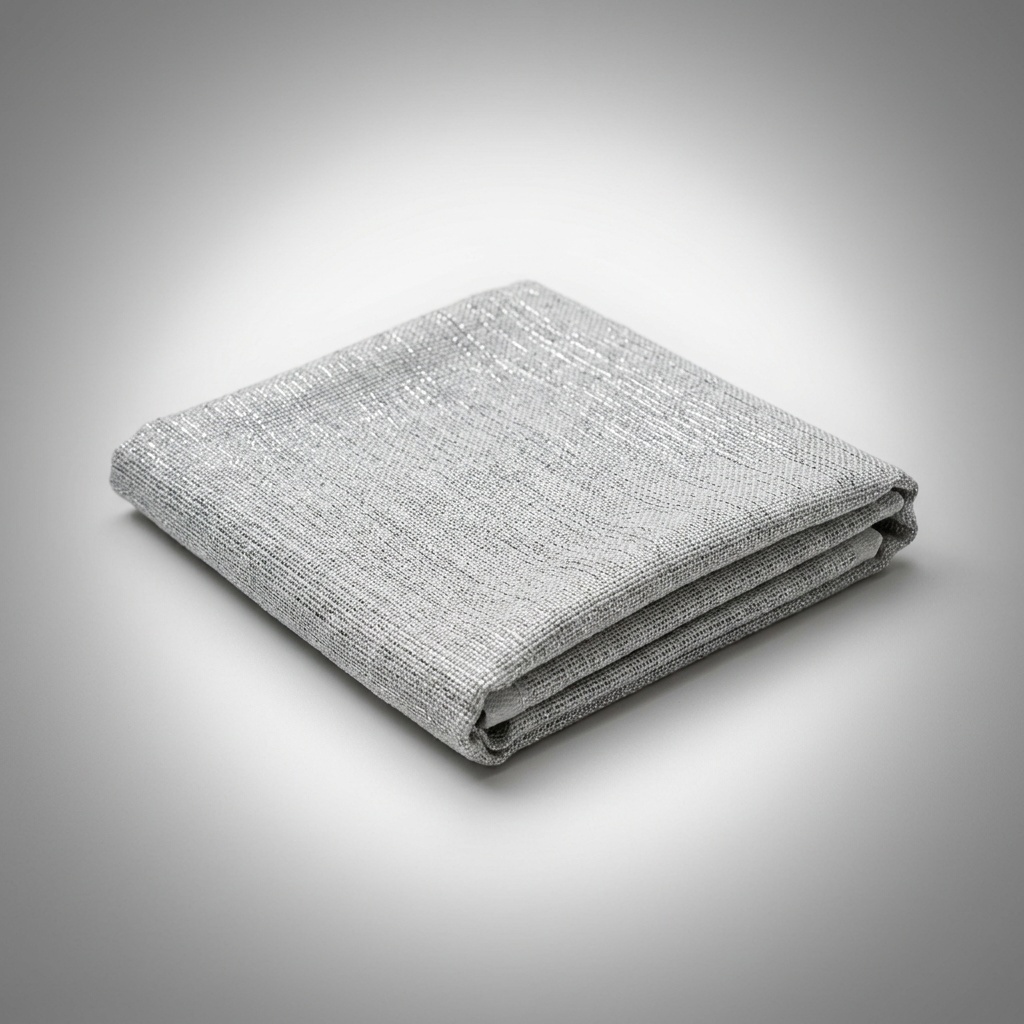
The Premium Grounding Half Sheet is an Australian-based product designed for nightly use. It uses silver-threaded conductive fabric that connects to the earth pin of a standard AS/NZS 3112 three-pin power outlet via the included cord. The half-sheet design sits across the middle of your bed where your torso makes contact — you do not need to replace your entire fitted sheet.
For autoimmune patients specifically, the advantage of this product is durability. If you are committing to an 8-week minimum trial — which the research requires for meaningful assessment — you need a sheet that maintains conductivity through repeated washing. The Premium Grounding sheet is purpose-built for this. It is the product we recommend in our complete earthing products guide.
Pros
- Silver-threaded fabric maintains conductivity through repeated washing — essential for an 8-week protocol
- Half-sheet design fits over your existing fitted sheet — no full bedding change needed
- 8 hrs overnight contact matches the Ghaly & Teplitz cortisol study protocol exactly
- Australian plug adapter included
Cons
- Ships from US — 7–14 day delivery, no local AU returns
- No fabric softener ever — coats conductive threads and kills conductivity
- Higher price than Earthing Oz (~–)
Buy This If…
- You are committing to a full 8-week autoimmune earthing trial and want the most durable option
- You have RA, lupus, or MS and want overnight systemic grounding as the primary intervention
- You prioritise long-term use over lowest upfront cost
Earthing Oz Sheet — Best for Risk-Averse Trial
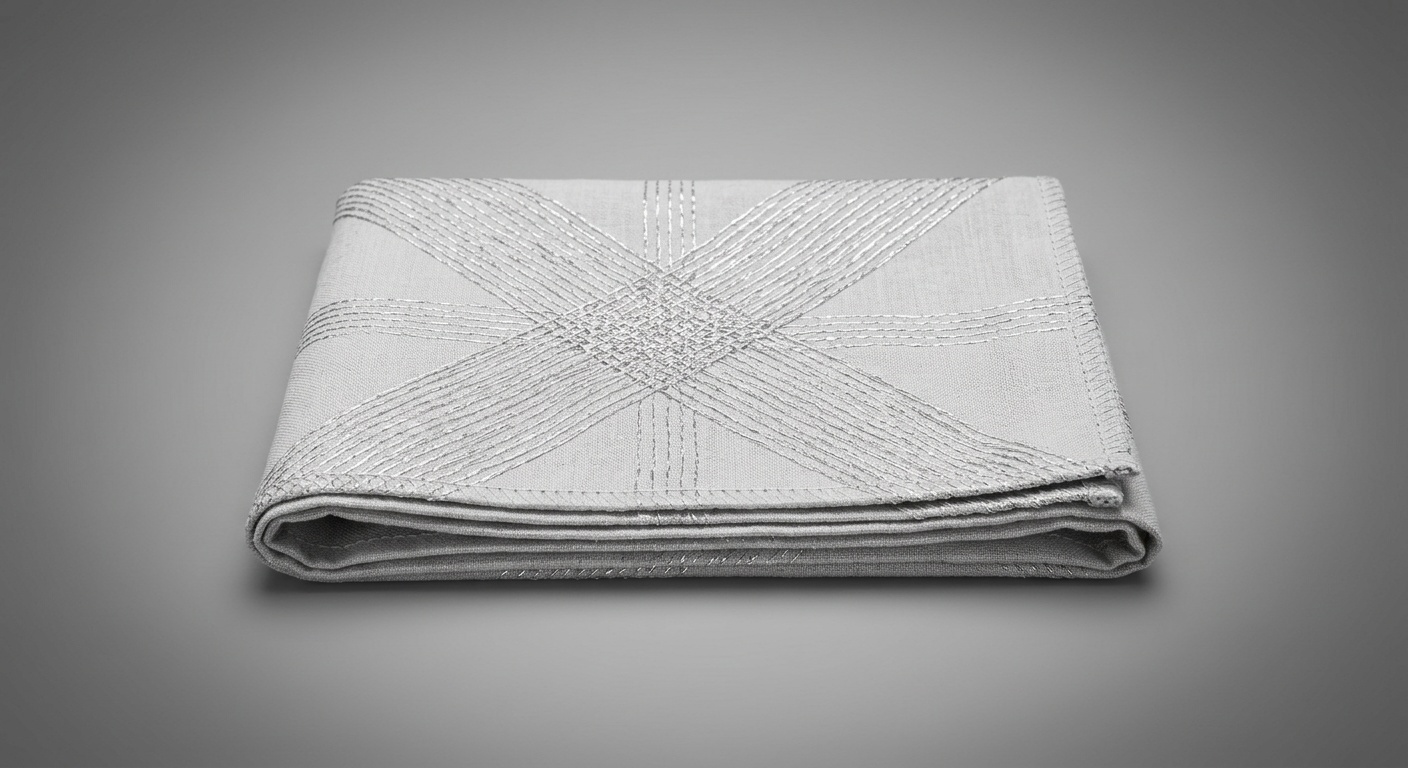
The Earthing Oz Sheet offers a 90-day trial period. For autoimmune patients who are understandably sceptical — given the preliminary nature of the research — this trial period is significant. It covers the full 8-week assessment window with a month to spare. If you do not notice any benefit after consistent use, you can return it.
This matters because autoimmune patients already spend significant money on treatments and supplements. The 90-day trial removes the financial risk of exploring a complementary approach that may or may not help your specific condition.
Pros
- 90-day risk-free trial — covers the full 8-week assessment window with a month buffer
- Australian-made, ships domestically — no international delivery wait
- Lower upfront cost than Premium Grounding
- Local returns process — no overseas shipping for refunds
Cons
- Smaller product range than Premium Grounding
- Less published conductivity thread specification data
Buy This If…
- You are sceptical about earthing and want to trial it without financial risk
- You want a locally-made, locally-supported product
- You want the 90-day window to properly run the 8-week protocol before deciding
Premium Grounding Pillowcase — Supplementary
The Premium Grounding Pillowcase provides head and face contact with grounded conductive fabric throughout the night. It is a supplement to a grounding sheet — not a replacement. For lupus patients with facial skin involvement, and for MS patients whose primary complaint is fatigue and cognitive fog, the pillowcase adds a secondary contact point. Use it alongside a half sheet, not instead of one.

Pros
- Adds a second grounding contact point (head/face) alongside a half sheet
- Useful for lupus patients with facial skin involvement
- May support cognitive fog reduction in MS patients — adds cranial proximity
- Fits standard pillow sizes
Cons
- Supplement only — does not replace a half sheet as primary grounding surface
- Ships from US
- Additional cost on top of the sheet
Buy This If…
- You already have a grounding sheet and want to maximise overnight contact surface
- You have lupus with skin/facial involvement or MS-related cognitive fog
- Do NOT buy this as your first and only grounding product — start with the half sheet
Safety Considerations for Autoimmune Patients
Earthing is a low-risk intervention. Sleeping on a conductive sheet does not have the side effect profile of immunosuppressants or biologics. But autoimmune patients face specific considerations that healthy populations do not.
Verify Your Outlet Earth Connection
A grounding sheet works by connecting you to the earth pin of your wall socket. If that earth connection is faulty — and in older Australian homes, it sometimes is — you are not grounded. Use a multimeter or outlet tester to verify earth continuity before starting. Most grounding sheets include a basic outlet checker. If your home’s earth connection is compromised, the sheet provides zero benefit. Our evidence guide on earthing covers verification in detail.
Lupus and UV Exposure
Outdoor barefoot earthing is the simplest grounding method for healthy people. For lupus patients, it is a flare risk. According to ARPANSA data, Australia’s UV index exceeds the safe threshold (UV index 3) for 8-10 months of the year across most of the continent. Even in Melbourne and Hobart, the UV index regularly exceeds 3 from September to April. Lupus patients with photosensitivity — which affects the majority — should default to indoor grounding methods exclusively, unless outdoor earthing is done before 8am or after 6pm during low-UV seasons.
Medications That Affect Electrical Sensitivity
There is no published evidence that earthing interacts with any autoimmune medication. However, patients on blood thinners (warfarin, rivaroxaban) — sometimes prescribed alongside autoimmune treatment for antiphospholipid syndrome or lupus-related cardiovascular risk — should note that the Chevalier (2013) study showed reduced blood viscosity with grounding. While this has not been shown to affect INR or clotting times, it is worth mentioning to your haematologist if you are on anticoagulation therapy.
Electromagnetic Environment
Grounding sheets connect to the earth system of your home. If your bedroom has high AC electric fields from wiring in the walls, a grounding sheet can potentially increase your exposure to these fields by making your body a lower-resistance path. This is the shielding trap — where grounding in a high-field environment makes things worse before making them better.
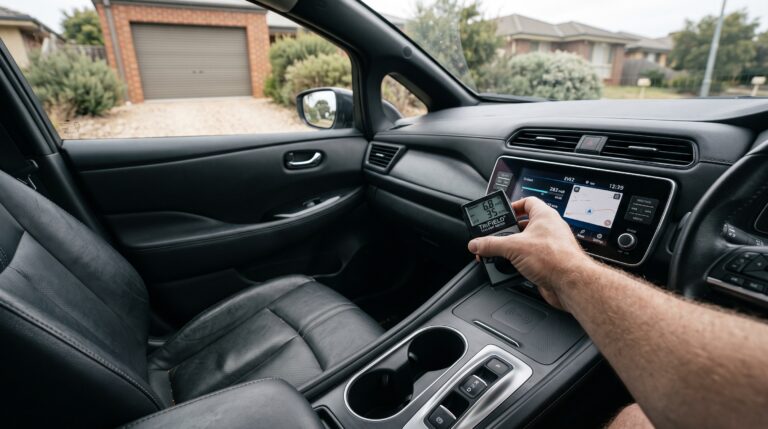
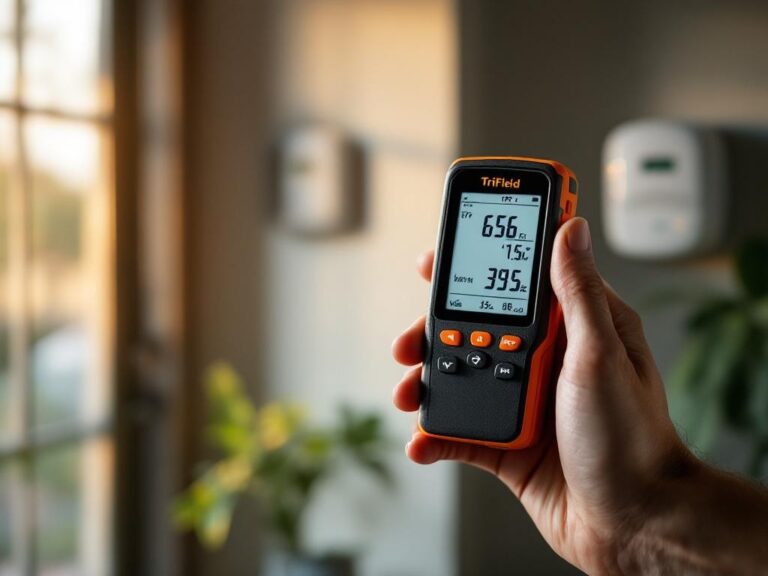
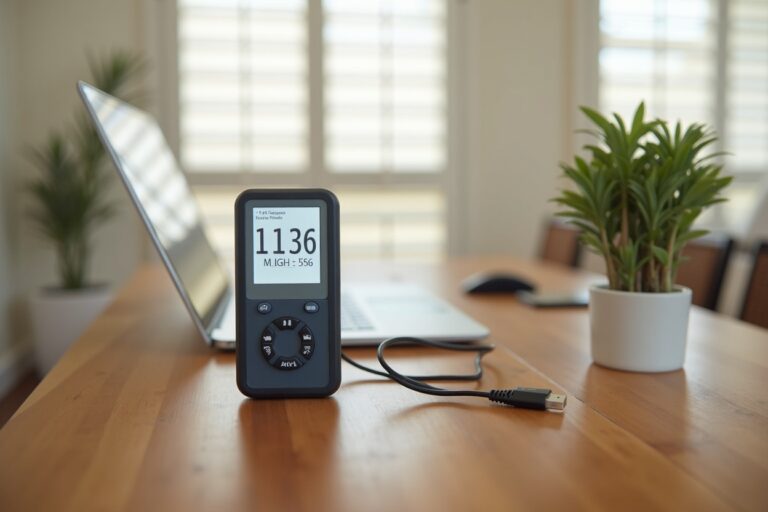
The solution is to address the electromagnetic environment of your bedroom before or concurrently with starting earthing. A TriField TF2 meter can measure AC electric fields at your bed position. If they exceed 5 V/m (the Building Biology SBM-2015 sleeping area threshold), a demand switch installed on your bedroom circuit by a licensed electrician (~$100-150) eliminates the issue. See our complete guide to EMF in the Australian home for the full protocol.
The Evidence Gaps: What We Do Not Know
Intellectual honesty demands this section. The earthing research that exists is promising, but it has significant limitations that autoimmune patients deserve to understand before investing time and money.
No autoimmune-specific RCTs: No published randomised controlled trial has studied earthing in autoimmune populations. The inflammation studies used healthy subjects or exercise-recovery populations. Extrapolating from these to RA, lupus, or MS involves assumptions about shared inflammatory mechanisms that may not fully translate.
Small sample sizes: The Chevalier blood viscosity study had 10 subjects. The Ghaly cortisol study had 12. The HRV studies had 28 and 58 respectively. These are pilot-scale studies. They demonstrate feasibility and signal potential benefit, but they do not establish clinical efficacy at the standard required for medical recommendation.
Author overlap: Several of the foundational earthing studies share overlapping author groups (Chevalier, Sinatra, Oschman). This is common in emerging research fields, but it means the evidence base is narrower than the number of publications might suggest. Independent replication by separate research groups is needed.
No dose-response data: We do not know whether 4 hours of grounding is half as effective as 8 hours, or whether grounding every second night produces proportionally less benefit. The studies used consistent overnight protocols, but the minimum effective dose is unknown.
Publication bias: Positive results get published. Null results often do not. The earthing literature may overrepresent positive findings.
None of this invalidates the existing research. It contextualises it. If you have an autoimmune condition and you are considering earthing, you are making a decision under uncertainty — which is, frankly, what autoimmune patients do with every treatment decision. The risk-benefit calculation for sleeping on a conductive sheet is favourable: negligible downside, plausible (if unproven) upside, and a 90-day trial option that eliminates financial risk.
How Earthing Fits Into a Broader Autoimmune Management Strategy
Earthing is not the only complementary approach worth considering alongside medical treatment. The strongest evidence for non-pharmacological autoimmune management comes from sleep optimisation, stress reduction, and environmental exposure reduction. Earthing sits within this framework.
Sleep: Consistent, restorative sleep reduces inflammatory cytokine production (Irwin et al., 2016). If earthing improves your sleep quality — which the cortisol normalisation data supports — then its anti-inflammatory benefit may be partially mediated through better sleep rather than direct electron transfer. Either way, the outcome benefits you. For more on grounding and sleep specifically, see our grounding for sleep guide.
Inflammation reduction: Our grounding for pain and inflammation guide covers the research on electron transfer and inflammatory markers in greater detail, including DOMS (delayed onset muscle soreness) studies that are more directly measurable than autoimmune outcomes.
EMF environment: If you are investing in a grounding sheet, your bedroom’s electromagnetic environment matters. A Jackson 24hr mechanical timer on your router ($20) combined with phone airplane mode (free) eliminates the two largest RF sources in most Australian bedrooms. This creates the cleanest possible environment for overnight grounding. Our complete home EMF guide covers the full protocol.
The correct mental model is not “earthing vs. medication”. It is “earthing as one layer in a stack of evidence-informed strategies, with medication as the non-negotiable foundation”.
Last reviewed: July 2026 – Clean and Native
Start with the 90-day trial. Assess after 8 weeks.
The Earthing Oz sheet gives you a full 90-day trial — covering the minimum 8-week assessment period with a month to spare. If earthing does not help your autoimmune symptoms, return it. If it does, the cost is negligible compared to any biologic.
Frequently Asked Questions
Does earthing help rheumatoid arthritis?
Published grounding research shows reduced inflammatory markers and improved cortisol patterns that are relevant to RA, but no clinical trial has been conducted specifically in RA patients. The proposed mechanisms — vagal tone improvement, ROS reduction, and cortisol normalisation — target the same pathways as RA treatments. It may complement standard treatment but does not replace DMARDs or biologics.
Is earthing safe for lupus patients?
Indoor grounding via a conductive sheet or mat is safe for lupus patients. Outdoor barefoot earthing carries UV exposure risk — 60-80% of lupus patients have photosensitivity. In Australia, the UV index exceeds the safe threshold from September to April in most areas. Lupus patients should default to indoor grounding methods exclusively.
Can earthing reduce autoimmune inflammation?
Preliminary research demonstrates that grounding reduces blood viscosity and improves zeta potential of red blood cells (Chevalier et al., 2013), both markers of chronic inflammation. The electron transfer mechanism is biologically plausible as a ROS-reduction strategy. However, no study has measured autoimmune-specific inflammatory markers (CRP, ESR, anti-dsDNA, RF) in grounded autoimmune patients.
How long should I try earthing before expecting results?
A minimum of 8 weeks of consistent nightly grounding is required before meaningful assessment. This is based on the Ghaly and Teplitz (2004) study protocol that demonstrated cortisol normalisation over 8 weeks. Autoimmune flare cycles can span weeks to months, so shorter trials are insufficient to distinguish benefit from natural fluctuation.
Does earthing interact with immunosuppressant medications?
No published evidence shows any interaction between grounding and immunosuppressant medications including methotrexate, azathioprine, or biologics. However, patients on anticoagulants (warfarin, rivaroxaban) should note that grounding has been shown to reduce blood viscosity, and should inform their haematologist. Never modify autoimmune medications based on earthing without specialist supervision.
Can earthing help multiple sclerosis fatigue?
The research suggests potential benefit through two pathways: improved sleep quality (Ghaly 2004) and improved autonomic balance (Chevalier 2010). MS fatigue is driven partly by neurological damage and partly by inflammation and poor sleep. Earthing may help the latter components. It cannot remyelinate nerves or replace disease-modifying therapies.
What is the best grounding product for autoimmune disease in Australia?
The Earthing Oz sheet with its 90-day trial period is the best entry point for autoimmune patients because it covers the minimum 8-week assessment period with no financial risk. The Premium Grounding Half Sheet is the better long-term investment for consistent nightly use. Both are Australian-based brands that connect to standard AS/NZS 3112 earthed outlets.
Does earthing help Crohn’s disease or ulcerative colitis?
No direct evidence exists for earthing in IBD. The theoretical basis is the vagal anti-inflammatory pathway — the vagus nerve innervates the gut, and improved vagal tone reduces intestinal inflammatory cytokines. The stress-cortisol connection in IBD flares makes cortisol normalisation additionally relevant. This is mechanistic inference, not demonstrated clinical benefit.
Are earthing side effects worse for people with autoimmune conditions?
Some users report temporary fatigue or heightened body awareness in the first 1-2 weeks of consistent grounding. This has not been studied specifically in autoimmune populations. Autoimmune patients who already experience fatigue and pain may find initial adjustment more noticeable. Starting with 4-5 hours of overnight grounding and gradually increasing to full night use is a reasonable approach. If symptoms are significant, discontinue and consult your specialist.
Should I ground outdoors or use a grounding sheet for autoimmune disease?
Overnight grounding sheets are preferred for autoimmune patients for three reasons: (1) they provide 7-9 hours of continuous contact versus the 20-40 minutes typical of outdoor sessions, (2) they eliminate UV risk for photosensitive conditions like lupus, and (3) consistency is easier to maintain when grounding requires no extra time commitment. Outdoor barefoot earthing can supplement a sheet protocol but should not be the primary method.
Is the earthing research strong enough to rely on for autoimmune treatment?
No. The earthing research is pilot-level evidence with small sample sizes (10-60 participants) and no autoimmune-specific trials. It should not be relied upon as a treatment. It is a low-risk complementary approach with biologically plausible mechanisms. Medical treatment — immunosuppressants, biologics, and specialist monitoring — remains the non-negotiable foundation for autoimmune disease management.
Get the Australian Home Environment Checklist
30 checks across water, air and EMF. Most of them free. Ranked by impact.
No spam. Unsubscribe any time.

Former Royal Australian Navy Clearance Diver and TAG-E counter-terrorism operator. Founded Clean and Native to apply the same rigorous thinking to the home environment.
Full biography →