Earthing for Athletes Recovery Australia 2026
A 2010 controlled trial published in the Journal of Alternative and Complementary Medicine found that grounded subjects showed significantly lower creatine kinase levels (a direct marker of muscle damage), reduced pain scores, and faster white blood cell normalisation after DOMS-inducing exercise compared to sham-grounded controls. For Australian athletes training in shoes on synthetic surfaces — disconnected from the earth’s surface electrons — a grounding sheet or mat replicates barefoot outdoor earthing during your primary recovery window: sleep.
| Recovery Method | What It Does | Verdict |
|---|---|---|
| Grounding half sheet (overnight) | 8 hrs passive electron transfer during sleep — primary recovery window | Recommended first buy |
| Grounding mat (post-workout) | 30-60 min active recovery while stretching or eating | Good supplement |
| Barefoot outdoor earthing | Free, weather-dependent, limited duration | Free but inconsistent |
For most Australian athletes, a grounding half sheet is the highest-impact recovery tool you are not using. It delivers 7-9 hours of passive grounding during the sleep window when growth hormone peaks and tissue repair occurs. The Brown et al. (2010) controlled trial is the strongest direct evidence: grounded subjects had significantly lower muscle damage markers, lower pain, and faster immune recovery after eccentric exercise. At $130-180 one-time cost with zero ongoing expense, it undercuts ice baths, compression boots, and supplements on a per-use basis within weeks. The catch: the evidence base is still small — we have one well-designed exercise recovery trial and several supporting studies on sleep and inflammation, not the volume you would see for something like creatine supplementation.
Key catches
- Evidence base is promising but limited — Brown et al. (2010) is one trial with 12 subjects (exercise-naive, not trained athletes)
- Requires skin contact with conductive fabric — sleeping in full pyjamas reduces effectiveness
- Must be plugged into a properly grounded Australian power outlet (earthing pin only, no active power)
- Not a replacement for sleep hygiene, nutrition, or progressive training load management
Why Your Training Is Outpacing Your Recovery
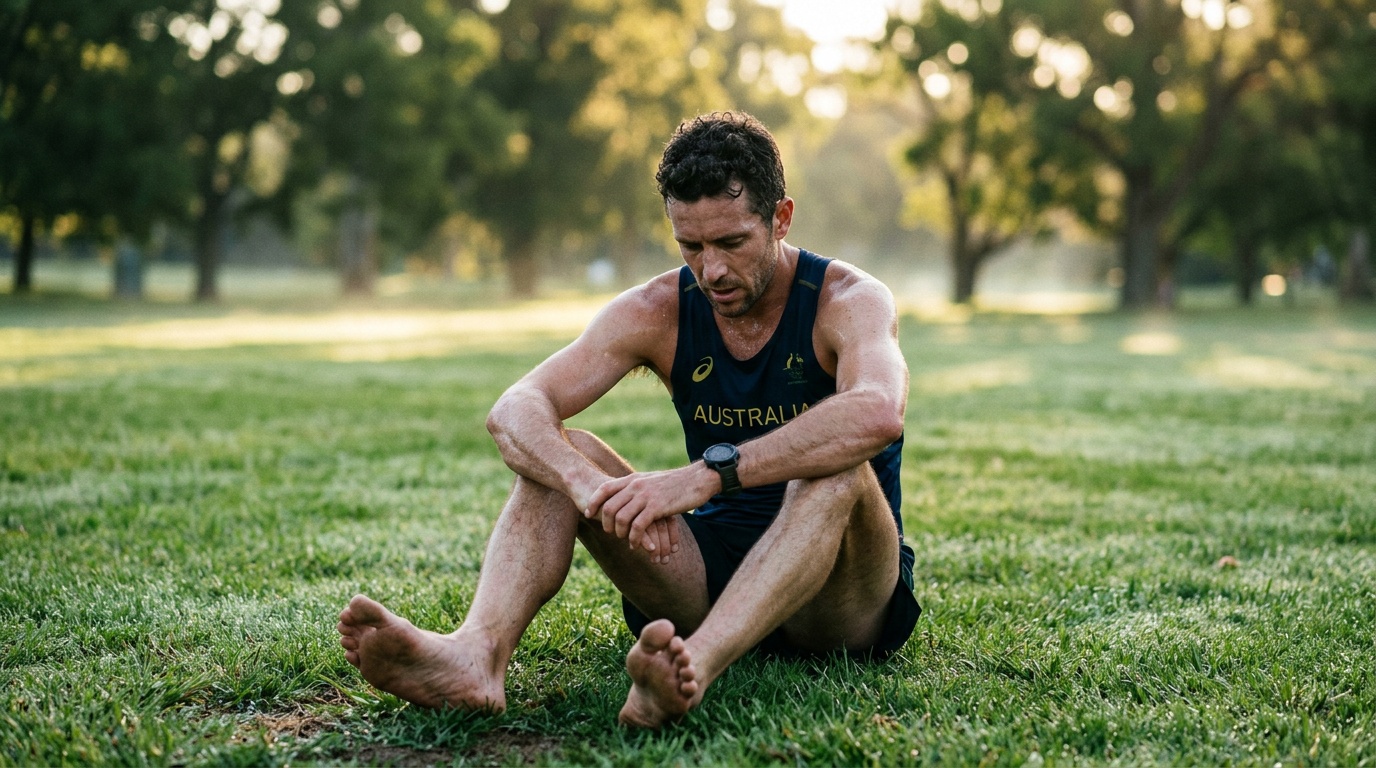
For serious athletes, the limiting factor is rarely fitness — it is recovery. You can push through a brutal session. You cannot push through accumulated fatigue, persistent DOMS, and disrupted sleep. Every serious athlete in Australia hits this wall: training capacity exceeds recovery capacity, and performance plateaus or regresses.
Here is what happens at the tissue level when you train hard. Eccentric exercise — the lowering phase of a squat, downhill running, the deceleration in AFL or rugby — creates microtears in muscle fibres. This is the stimulus for adaptation. But it triggers a cascade: damaged cells release reactive oxygen species (ROS), pro-inflammatory cytokines (IL-6, TNF-alpha, IL-1beta), and creatine kinase (CK) leaks from damaged muscle into the bloodstream. CK is the gold-standard blood marker for muscle damage — higher CK means more damage, slower recovery.
The inflammatory response is necessary. It clears damaged tissue and signals repair. But when it persists longer than needed — when the resolution phase stalls — you get prolonged DOMS, stiffness, reduced range of motion, and compromised performance in subsequent sessions. This is the window where earthing’s electron transfer mechanism becomes relevant.
Australian athletes face a specific disadvantage: most training happens on synthetic surfaces. Rubber gym floors, synthetic running tracks, asphalt, indoor courts. You wear rubber-soled shoes. You drive home in a car with rubber tyres. You sleep in an elevated bed in an electrically wired house. At no point in a typical training day do you make conductive contact with the earth’s surface. Compare this to barefoot training on grass or sand — which Australian athletes did by default a few generations ago — and you are missing a fundamental physiological input.
What the Exercise Recovery Research Actually Shows
Brown et al. (2010): The Direct Evidence
The strongest study linking earthing to exercise recovery is Brown, Chevalier, and Hill (2010), published in the Journal of Alternative and Complementary Medicine. This is not a survey or observational study — it is a blinded, controlled trial designed specifically to test earthing’s effect on DOMS.
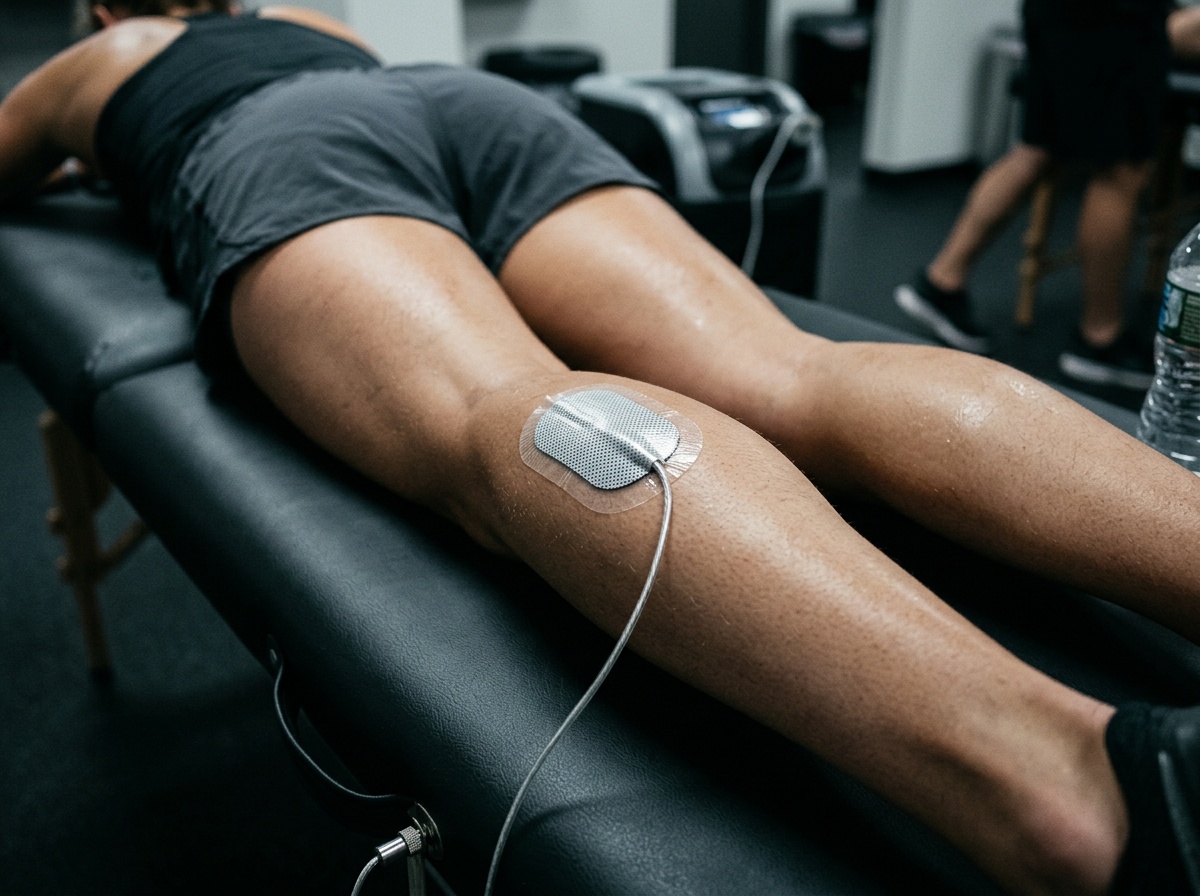
Twelve exercise-naive subjects performed toe raises to induce calf DOMS. Half were grounded (connected to the earth via conductive patches) during recovery; half were sham-grounded (identical setup, no actual earth connection — the subjects could not tell the difference). Researchers measured CK levels, white blood cell counts, and subjective pain scores at intervals over several days.
The results were significant across multiple markers:
- Creatine kinase (CK): Grounded subjects showed a substantially lower CK spike — peaking at roughly 48% lower than sham-grounded subjects. Lower CK means less muscle damage reaching the bloodstream, or faster clearance of damaged tissue.
- Pain scores: Grounded subjects reported significantly lower DOMS pain at 24, 48, and 72 hours post-exercise.
- White blood cell counts: The grounded group showed faster normalisation of neutrophil and lymphocyte counts — indicating the acute inflammatory response resolved more quickly.
This matters because it is not measuring a proxy. CK is a direct biomarker of muscle damage used in sports medicine worldwide. When an AFL club’s sports scientist draws post-match bloods, CK is one of the first things they look at. A 48% reduction in CK is a measurable, meaningful difference — not a subjective feeling.
Müller & Stöggl (2019): Sleep and Recovery in Athletes
A University of Salzburg study by Müller and Stöggl (2019) examined grounded sleeping specifically in the context of post-exercise muscle damage. While conducted in Austria rather than Australia, the protocol is directly relevant: subjects slept on grounded bedding after DOMS-inducing exercise. The grounded group showed markers consistent with faster inflammatory resolution. This replication — different lab, different country — strengthens the Brown et al. findings.
Supporting Evidence: Cortisol, Sleep, and Blood Viscosity
Three additional lines of evidence support earthing for athlete recovery, though they were not exercise-specific studies:
Cortisol normalisation (Chevalier 2012): A study published in the Journal of Environmental and Public Health showed that earthing during sleep normalised the diurnal cortisol rhythm. For athletes, chronically elevated cortisol is catabolic — it breaks down muscle tissue and impairs recovery. Normalising the cortisol curve means lower nighttime cortisol (when you want it suppressed for deep sleep and growth hormone release) and appropriate morning elevation (when you need alertness).
Blood viscosity (Chevalier 2015): Earthing increased the zeta potential of red blood cells — meaning they repel each other more effectively, reducing blood viscosity and improving flow. For recovering athletes, this translates to better nutrient delivery and waste removal from damaged tissue. Think of it as improving the logistics of repair.
Sleep architecture: Multiple earthing studies report improved subjective sleep quality. Sleep is the primary recovery window — growth hormone peaks during slow-wave sleep, protein synthesis ramps up, and the glymphatic system clears metabolic waste from the brain. Even a modest improvement in sleep quality compounds into faster recovery over weeks and months of training.
The Proposed Mechanism: How Earthing May Accelerate Recovery
The earth’s surface carries a negative charge — a reservoir of free electrons maintained by lightning strikes (approximately 5,000 per minute globally, according to NASA data) and solar radiation interactions with the ionosphere. When you make conductive contact with the earth — bare feet on grass, soil, sand, or concrete — electrons transfer into your body.
The proposed recovery mechanism works like this: eccentric exercise creates microtears. Damaged cells release ROS (reactive oxygen species) which attract neutrophils. Neutrophils release their own ROS burst to break down damaged tissue — this is the “respiratory burst” and it is a normal part of the inflammatory cascade. The problem is collateral damage: ROS do not distinguish between damaged tissue and healthy adjacent tissue. This “bystander damage” extends the area of injury, prolongs inflammation, and amplifies DOMS.
Free electrons from earthing are proposed to neutralise excess ROS at the injury site, limiting bystander damage. This does not suppress the inflammatory response — it accelerates its resolution. The neutrophils still clear damaged tissue. But the secondary damage wave is contained, which means the repair phase begins sooner.
This is consistent with the Brown et al. findings: lower CK (less total muscle damage), faster WBC normalisation (inflammation resolving on schedule), and lower pain scores (less bystander damage to nociceptor-rich tissue). It is also consistent with the blood viscosity data — improved RBC flow means better delivery of nutrients and oxygen to the repair site.
I want to be direct about the evidence quality. The mechanism is plausible and consistent with the data. But “plausible and consistent” is not the same as “proven.” The Brown et al. trial had 12 subjects. The supporting studies are small. We do not have the volume of replicated evidence you would see for creatine monohydrate or protein timing. What we do have is a controlled trial showing measurable differences in hard biomarkers — not just subjective reports — and zero risk or side effects. For an athlete, that risk-reward ratio is hard to beat.
Practical Recovery Protocol for Australian Athletes
If you are going to use earthing for recovery, do it in the window that matters most: sleep. This is not complicated. Here is the protocol, ranked by impact.
Priority 1: Overnight Grounding (Sleep Recovery)
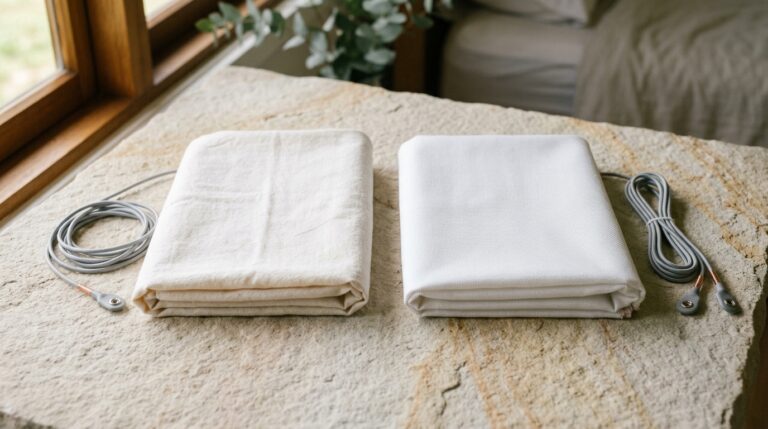
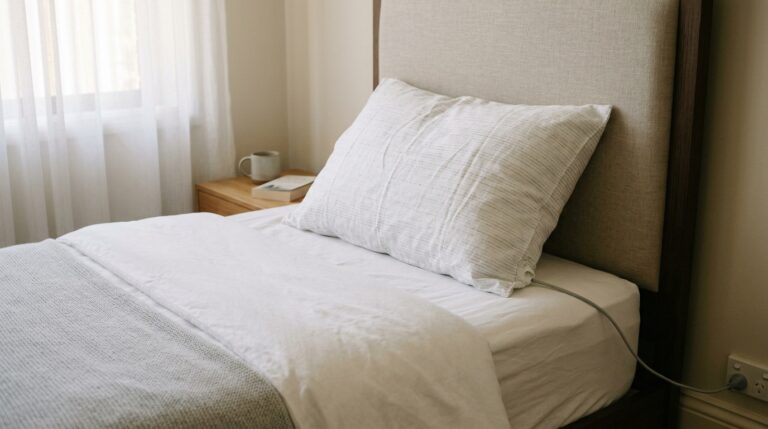
A grounding half sheet goes across the lower portion of your bed. You sleep with bare skin (feet, calves, or any exposed skin) in contact with the conductive fabric. The sheet connects via a cord to the earth pin of your Australian power outlet — no active power flows, only the earth ground connection. You ground for 7-9 hours passively during the exact window when growth hormone peaks, cortisol should be suppressed, and tissue repair is at maximum rate.
This is the highest-impact intervention because it requires no additional time in your day. You are already sleeping. You are already in bed. The grounding sheet just adds electron transfer to a period you are already using for recovery. The Premium Grounding Half Sheet ($130-$180 AUD) is the product I recommend for overnight use — it is Australian-made, uses silver-threaded conductive fabric, and connects to your standard AS/NZS 3112 outlet.
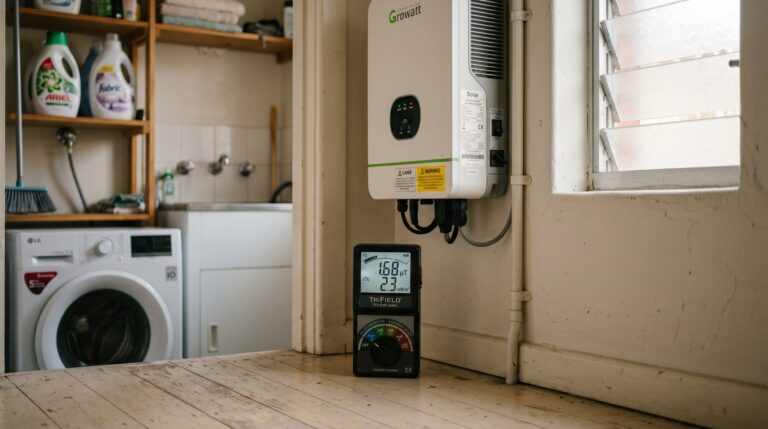
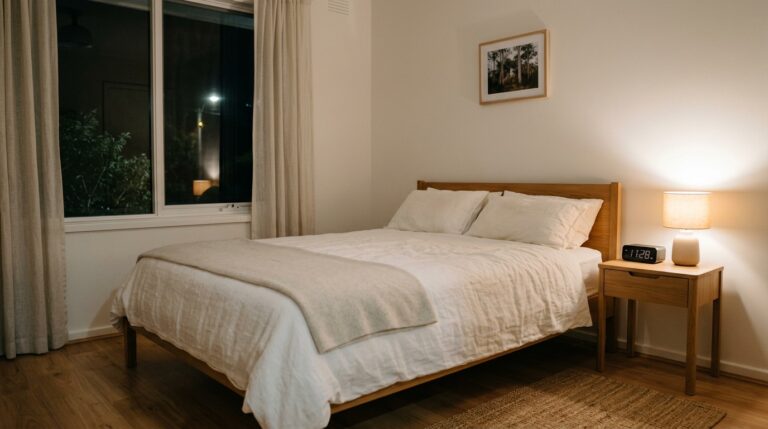
Critical setup note: Your bedroom’s power outlet must have a functioning earth connection. Most Australian homes built after 1970 have properly earthed outlets, but older homes may not. Test with a simple outlet tester (under $20 at any hardware store) before use. If the earth pin is not connected, the sheet will not ground you. Also, remove internal RF sources from your bedroom — phone on airplane mode, Wi-Fi router on a mechanical timer ($20) — so the grounding sheet is resolving external residual fields, not reflecting internal ones.
Priority 2: Post-Workout Grounding (Active Recovery Window)
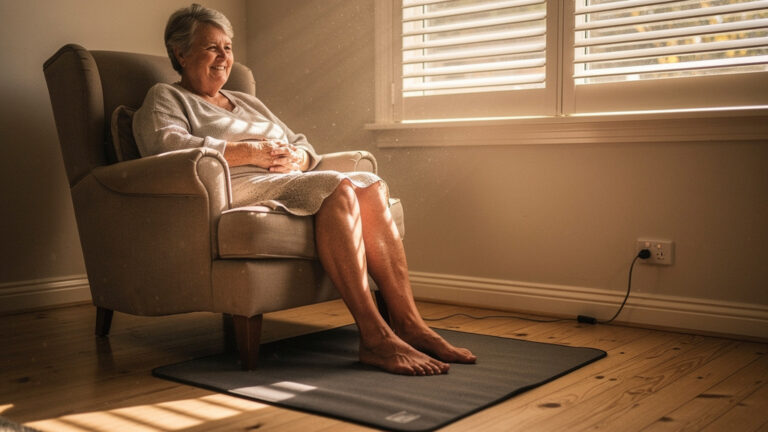
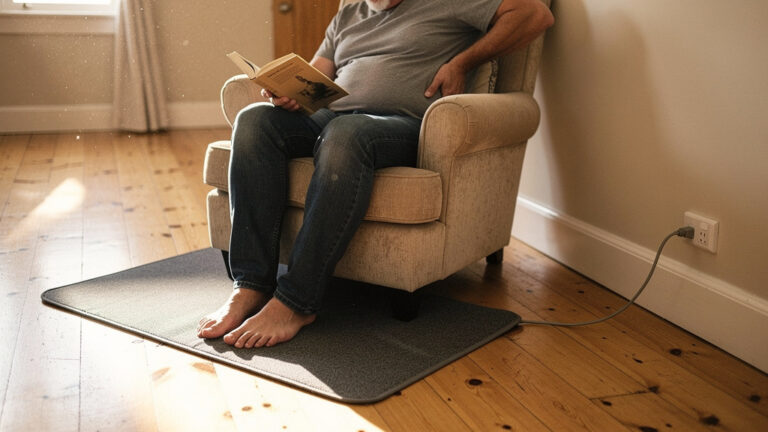
The 30-90 minute window after hard training is when the inflammatory cascade is ramping up. Sitting with bare feet on a grounding mat during this period — while eating your post-workout meal, foam rolling, or stretching — adds electron transfer during the acute phase. This is supplementary to overnight grounding, not a replacement.
A Premium Grounding Mat or Earthing Oz Mat (which offers a 90-day trial) works for this purpose. Place it under your desk or in front of your couch. Bare feet or forearms on the conductive surface while you eat and decompress.
Priority 3: Outdoor Barefoot Earthing (Free, Weather-Dependent)
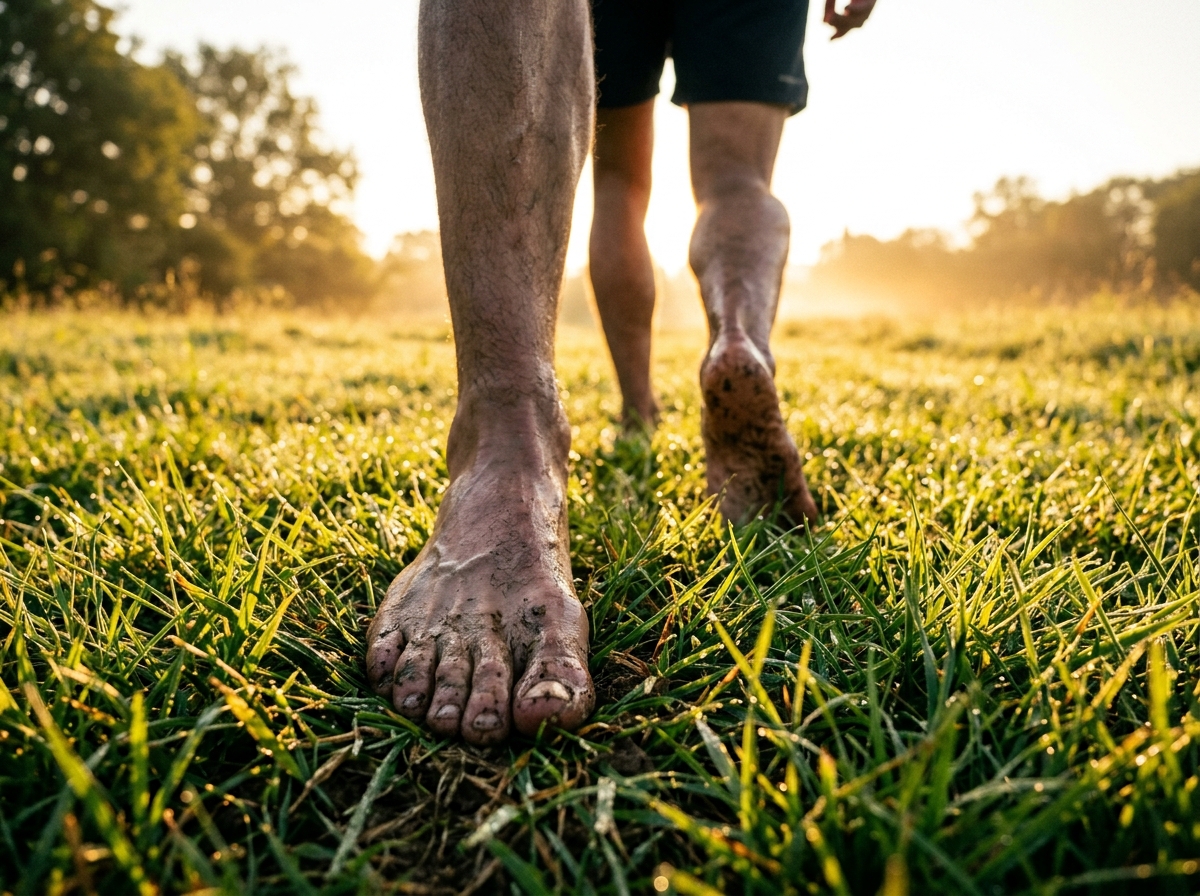
If you live in coastal Queensland, northern NSW, or anywhere with a warm climate and accessible grass or beach sand, barefoot outdoor earthing is free and effective. Walk barefoot on grass, wet sand, or concrete (concrete is conductive when in contact with the ground) for 20-40 minutes post-training. Wet grass after rain or morning dew is ideal — moisture improves conductivity.
The limitation: this is weather-dependent, season-dependent, and impractical for Melbourne or Hobart winters. It also competes for time in your day. The overnight sheet eliminates both problems.
| Recovery Method | Upfront Cost | Ongoing Cost | Time Required | Evidence Quality |
|---|---|---|---|---|
| Grounding sheet (overnight) | $130-180 | $0 | 0 min (passive) | 1 controlled trial + supporting studies |
| Ice bath / cold water immersion | $50-500 | $5-15/session (ice) | 10-15 min | Moderate (mixed meta-analyses) |
| Compression boots (NormaTec etc.) | $800-2,500 | $0 | 30-60 min | Low-moderate |
| Magnesium supplements | $20-40 | $20-40/month | 0 min | Moderate (for deficiency) |
| Foam rolling | $20-80 | $0 | 10-20 min | Low-moderate |
| Barefoot outdoor earthing | $0 | $0 | 20-40 min | Same as grounding sheet |
The cost comparison makes the case. Compression boots cost $800-2,500 and require 30-60 minutes of active use. Ice baths cost $5-15 per session in ice alone and require preparation time. A grounding sheet costs $130-180 once, works passively for 7-9 hours every night, and has zero ongoing cost. Over 12 months, that is $0.36-0.49 per night. Over 5 years, it is under $0.10 per night. No other recovery modality comes close on a cost-per-hour basis.
Which Australian Athletes Benefit Most
Any athlete generating significant eccentric load or training volume stands to benefit, but some sports create more DOMS and inflammatory load than others.
Endurance athletes (marathon, ultra, triathlon, cycling): Running generates massive eccentric load on quads and calves — especially downhill. An Ironman athlete accumulates more muscle damage in a single race than most people generate in a month. Triathlon and ultra-trail athletes training in the Blue Mountains, Gold Coast hinterland, or Victorian Alps are prime candidates. Recovery between high-volume training blocks is the limiter, and overnight grounding targets exactly that window.
CrossFit athletes: High-rep eccentric loading (thrusters, wall balls, muscle-ups, pull-ups) creates significant DOMS. CrossFit training frequency (5-6 days per week at many Australian affiliates) means you are training into incomplete recovery almost by definition. Grounding during sleep may compress the recovery timeline enough to improve performance in subsequent sessions.
AFL, rugby league, rugby union: Contact sports add blunt force trauma to the eccentric muscle damage. The inflammatory load after a weekend match is substantial — CK levels in NRL and AFL players have been measured at 5-10x baseline 24 hours post-match, according to published sports science data from Australian institutes. A grounding sheet during the post-match sleep window targets the acute inflammatory spike.
Surf lifesaving and ocean swimmers: These athletes already get outdoor earthing if they train barefoot on wet sand or in saltwater (seawater is highly conductive). But their sleep recovery window is still spent indoors on insulating bedding. The overnight sheet fills that gap. If you are training at Currumbin, Kurrawa, North Bondi, or Manly, you are getting some natural grounding — but not during the 8 hours that matter most.
Masters athletes (35+): Recovery capacity declines with age. Inflammatory resolution takes longer. DOMS lasts longer. A 40-year-old triathlete in Perth or Brisbane needs more recovery time between sessions than a 25-year-old doing the same volume. Earthing during sleep is zero-effort and targets the exact physiological bottleneck: slower inflammatory resolution.
Product Recommendations: Sheet vs Mat for Recovery
You do not need both. If you buy one product, buy the overnight half sheet. If you want to add a second layer, add the recovery mat.
For Overnight Recovery: Premium Grounding Half Sheet
The Premium Grounding Half Sheet ($130-180 AUD) is the primary recommendation. It covers the lower half of your bed — you sleep with feet and lower legs in contact with conductive silver-threaded fabric. It connects to the earth pin of any standard Australian AS/NZS 3112 outlet via a snap-on cord.
Why the half sheet over a full sheet? Cost is lower, and for recovery the critical contact area is lower body — calves, hamstrings, glutes — where DOMS from running, cycling, squatting, and contact sport is most concentrated. Full sheets are available if you want full-body coverage, but the half sheet is the value pick for athletes whose primary concern is lower-body recovery.
For the complete range of earthing products and detailed reviews, see our best earthing products Australia 2026 hub page.
For Post-Workout Active Recovery: Grounding Mat
The Earthing Oz Mat comes with a 90-day trial, which reduces purchase risk. Place it under your desk or in front of your couch. After training, sit with bare feet on the mat for 30-60 minutes while eating, stretching, or watching game tape. This adds electron transfer during the acute post-exercise window, supplementing the longer overnight grounding session.
The Premium Grounding Mat is the alternative if you prefer the same brand as your sheet. Both work on the same principle — conductive surface connected to earth ground.
For detailed mat comparisons and specifications, see our best grounding mat Australia 2026 review.
Earthing and Australian Climate: Outdoor Grounding Considerations
Australia’s climate gives you an advantage that athletes in the UK or northern Europe do not have: you can ground outdoors for most of the year. But there are practical considerations.
Best outdoor surfaces for grounding (conductive): Wet grass, wet sand, bare soil, natural stone, and unsealed concrete. Saltwater is the most conductive natural surface — if you do ocean recovery swims at Bondi, Manly, Cottesloe, or Gold Coast beaches, you are grounding while swimming. Freshwater creeks and rivers are less conductive but still functional.
Surfaces that do NOT ground you: Asphalt, rubber gym mats, synthetic turf (common at Australian ovals and training facilities), timber decking, painted concrete, and any surface with a synthetic sealant. If you train on synthetic turf at your local AFL or rugby ground, you are insulated from the earth the entire session.
Seasonal considerations: In Brisbane, Gold Coast, Sydney, and Perth, outdoor barefoot earthing is practical year-round. In Melbourne, Canberra, Hobart, and Adelaide, winter temperatures (June-August) make extended barefoot sessions uncomfortable or impractical. This is where indoor grounding products fill the gap — you get consistent electron transfer regardless of season.
UV and heat: During Australian summer (December-February), barefoot earthing on hot surfaces can cause burns. Midday concrete in Perth, Darwin, or far north Queensland exceeds 60°C surface temperature. Time your outdoor grounding for early morning or evening — which aligns with optimal training times anyway.
For a complete review of the scientific evidence behind earthing, including the studies referenced in this article, see our does earthing work: scientific evidence analysis. For earthing’s role in pain and inflammatory conditions beyond exercise recovery, see our grounding for pain and inflammation guide.
Combining Earthing With Other Recovery Methods
Earthing is not a replacement for the fundamentals. Sleep duration, nutrition, hydration, and progressive load management come first. Always. But earthing stacks cleanly with every other recovery modality because it is passive and non-interfering.
Earthing + ice bath: These work through different mechanisms. Ice bath (cold water immersion at 10-15°C for 10-15 minutes) constricts blood vessels and reduces acute swelling. Earthing provides electron transfer to neutralise ROS. Use the ice bath immediately post-training if you use one, then ground overnight via the sheet. They do not conflict.
Earthing + compression garments: Compression stockings (worn 12-24 hours post-exercise) improve venous return and reduce localised swelling. You can wear compression tights to bed while using a grounding sheet — just ensure bare skin (feet, hands, or forearms) contacts the conductive fabric. Compression does not insulate you from the sheet if skin contact is maintained.
Earthing + foam rolling: Foam roll post-training, then ground via mat while stretching. These are complementary — foam rolling addresses fascial adhesions and local blood flow, earthing addresses systemic inflammatory resolution.
Earthing + sleep supplements (magnesium, tart cherry): Magnesium glycinate (common among Australian athletes for sleep quality and muscle relaxation) works at the cellular level. Earthing works at the electron transfer level. No conflict. Tart cherry juice, which has evidence for DOMS reduction via anthocyanin antioxidants, addresses the same ROS problem as earthing through a different pathway — dietary antioxidants versus free electron donation.
The practical takeaway: do not choose between recovery methods. Stack them. Earthing is the only one that costs nothing per use after initial purchase and requires zero time commitment beyond what you already spend sleeping.
Final Verdict
The Brown et al. (2010) controlled trial gives us something rare in the earthing literature: hard biomarker data showing a measurable difference in exercise recovery. Grounded subjects had lower creatine kinase, lower pain, and faster immune normalisation. The sample was small. The subjects were exercise-naive. We need larger replications with trained athletes. But the direction of the evidence, combined with zero risk and negligible cost, makes earthing one of the most asymmetric recovery bets available to Australian athletes.
If you run, ride, lift, play contact sport, or compete in any discipline where DOMS and recovery time limit your training progression, a grounding half sheet on your bed is the single lowest-friction intervention you can add. It works while you sleep. It costs nothing per use. It stacks with everything else you are already doing.
Start with the overnight sheet. That is the decision. Everything else — post-workout mat, outdoor barefoot sessions, stacking with ice baths and compression — is optimisation on top of that foundation.
Last reviewed: July 2026 – Clean and Native
Start with the overnight sheet. Recovery happens while you sleep.
The Premium Grounding Half Sheet delivers 7-9 hours of passive electron transfer during your primary recovery window. At $130-180 one-time cost, it is the cheapest per-use recovery tool you will own within a month.
Frequently Asked Questions
Does earthing reduce DOMS?
According to Brown et al. (2010), grounded subjects reported significantly lower pain scores and had approximately 48% lower creatine kinase levels after DOMS-inducing exercise compared to sham-grounded controls. This suggests earthing may reduce both the subjective experience and the biomarker severity of DOMS.
How soon after training should I use a grounding mat?
The acute inflammatory cascade begins within minutes of exercise-induced muscle damage. Using a grounding mat immediately post-training during your cool-down and meal window (first 30-90 minutes) targets this acute phase. However, overnight grounding during sleep is more impactful because it covers the 7-9 hour recovery window when tissue repair peaks.
Is outdoor barefoot earthing as effective as a grounding mat?
Conductive contact with the earth is the same mechanism whether you are barefoot on wet grass or using a conductive mat connected to earth ground. The difference is duration and consistency. A grounding sheet delivers 7-9 hours overnight; outdoor barefoot earthing is typically limited to 20-40 minutes and is weather-dependent.
How long should I ground after hard training?
For post-workout mat use, 30-60 minutes with bare skin contact is a reasonable target based on the protocols used in published earthing studies. For overnight grounding, the full sleep duration (7-9 hours) is optimal and requires no additional time commitment.
Can I combine earthing with ice baths or compression?
Yes. Earthing works through electron transfer while ice baths work through vasoconstriction and compression works through venous return. These are different mechanisms with no known conflict. Use ice bath immediately post-training, compression for 12-24 hours, and ground overnight via a half sheet.
Is there peer-reviewed research on earthing for athletes?
The primary study is Brown, Chevalier, and Hill (2010), a blinded controlled trial published in the Journal of Alternative and Complementary Medicine. Müller and Stöggl (2019) from the University of Salzburg replicated the approach with grounded sleeping post-exercise. Supporting studies on cortisol (Chevalier 2012) and blood viscosity (Chevalier 2015) provide mechanistic context. The evidence base is promising but still small.
Which is better for recovery — grounding mat or grounding sheet?
A grounding half sheet for your bed is the higher-impact purchase. It delivers 7-9 hours of passive grounding during the sleep window when growth hormone peaks and tissue repair is at maximum rate. A grounding mat is supplementary — useful for 30-60 minutes post-workout but not a replacement for overnight grounding.
Can I use a grounding mat at the gym?
Only if the gym has a properly earthed power outlet accessible near your stretching or cool-down area. Grounding mats connect to the earth pin of a standard Australian AS/NZS 3112 outlet. Most commercial gyms have accessible outlets, but confirm the earth connection is functional before relying on it. A simpler approach is to use the mat at home post-training.
Does the grounding sheet need to touch bare skin to work?
Yes. Electron transfer requires conductive contact between your skin and the conductive fabric. Sleeping in full pyjamas or thick socks reduces or eliminates the grounding effect. Bare feet, calves, or forearms in contact with the sheet surface is necessary. Thin cotton is partially conductive when damp from body heat, but bare skin is the reliable option.
Do I need to test my power outlet before using a grounding sheet?
Yes. Grounding sheets connect to the earth pin of your power outlet. If that earth pin is not properly connected — common in some pre-1970 Australian homes — the sheet will not ground you. Use a simple outlet tester (under $20 from any hardware store) to confirm the earth connection is functional before relying on the sheet for recovery grounding.
Get the Australian Home Environment Checklist
30 checks across water, air and EMF. Most of them free. Ranked by impact.
No spam. Unsubscribe any time.

Former Royal Australian Navy Clearance Diver and TAG-E counter-terrorism operator. Founded Clean and Native to apply the same rigorous thinking to the home environment.
Full biography →